
Introduction: scenario, data, question
I once watched a closely controlled trial fall apart because the locomotion readout was noisy — we lost weeks of work. In many labs today, rat gait analysis is still used as the go-to functional readout for motor studies, with dozens of trials and hundreds of steps recorded. Recent surveys show variable inter-lab reproducibility (some report 20–40% variance in gait indices) — so what really matters when you pick a system? (I ask because I’ve been through the troubleshooting loop more than a few times, you know.)
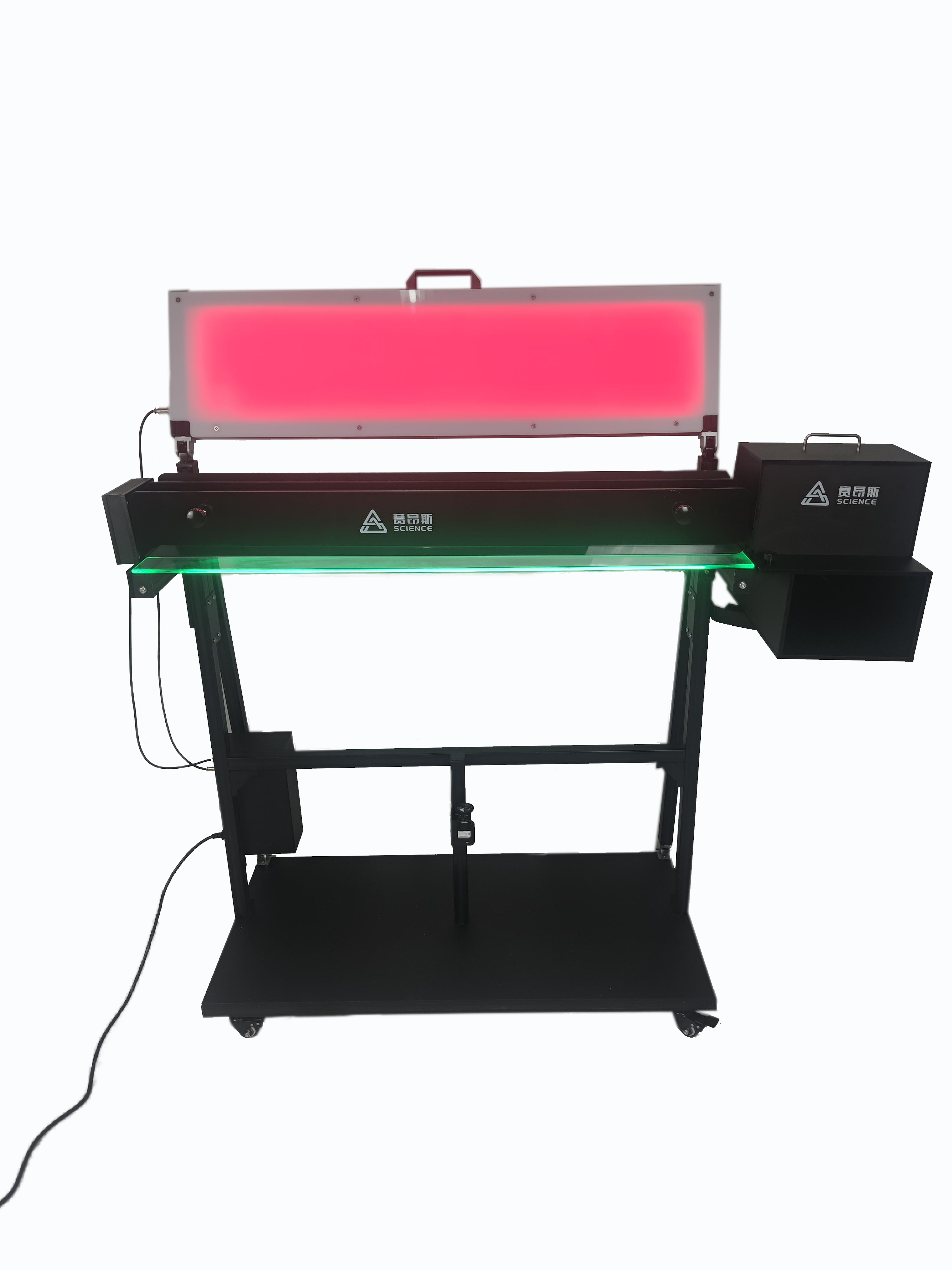
Here I’ll walk you through key practical differences and what they mean for your data quality and time on the bench. Let’s move from the problem to choices that actually change results.
Part 2 — Hidden pain points and why traditional setups fail
I want to be straight with you: many common systems create hidden headaches for users. Right up front, check this product if you need an integrated platform: gait analysis mouse. Too often, labs buy a setup that looks good on paper but ignores how animals behave, how sensors drift, or how analysis pipelines choke on noisy data. I’ve seen it: pressure sensors that misread when the animal hesitates, force plate baselines that wander over a session, and motion capture markers that fall off mid-trial. Those problems stack. They quietly erode your statistics — and you only notice at the end, after months of work.
Look, it’s simpler than you think. The main flaws are predictable: poor calibration routines, opaque algorithms, and workflows that assume every trial is textbook-perfect. We end up spending more time cleaning data than designing experiments. In my view, the user pain points boil down to three things: reproducibility, ease of use, and transparent metrics (think kinematic parameters, motion capture, and force plate readouts). If your setup doesn’t make calibration fast, you will avoid calibrating. That’s where bias creeps in — and then you wonder why your groups don’t separate.
Why does this still happen?
Because manufacturers focus on specs, not daily workflow. Because teams accept complex pipelines as normal. Because — frankly — we get used to workarounds. I’m convinced we can do better, and I’ll show how in the next section.

Part 3 — Forward-looking principles and practical comparisons
Now let’s switch gears and look forward. I prefer to compare technology principles rather than brand names. Newer approaches favor integrated pipelines: synchronized high-speed video, automated kinematic parameter extraction, and smarter artifact rejection (edge computing nodes for on-site preprocessing). These systems reduce manual curation and make results more reproducible. For example, combining a calibrated pressure mat with automated motion capture reduces reliance on manual scoring — which means fewer human errors and faster throughput.
We should also compare closed-box analytics versus open, traceable algorithms. Closed-box tools can be convenient. But I favor systems that let you inspect outputs and re-run steps. That transparency matters when you report results or get reviewer questions. And — funny how that works, right? — when things go wrong, openness saves time.
Real-world impact — what changes in practice?
Practically, I’ve seen labs cut their cleanup time by half when they adopt synchronized acquisition and exportable kinematic metrics. That matters for throughput and morale. Researchers spend less time debugging and more time interpreting biology. Future systems will likely add better on-device filtering and simple GUIs for batch calibration. I expect a focus on lower-cost, robust sensors plus clear algorithmic audit trails. These shifts improve reproducibility and help junior staff get up to speed faster.
To sum up: prioritize calibration workflows, transparent metrics, and systems that match your daily lab habits. Measure outcomes by how much time you save on cleaning data, how stable your baseline measures are, and how straightforward the export formats remain. If you want options, take a look at tools built for bench realities — including the gait analysis mouse — and then decide based on workflow fit. I’ve been in labs where a small change in pipeline made a big difference. We learned, adjusted, and moved on with better data — nhỉ?
Final thought: choose systems that respect both your science and your day-to-day. If you do that, results follow. For more, check BPLabLine.