Comparative Insight: why constraints matter in practice
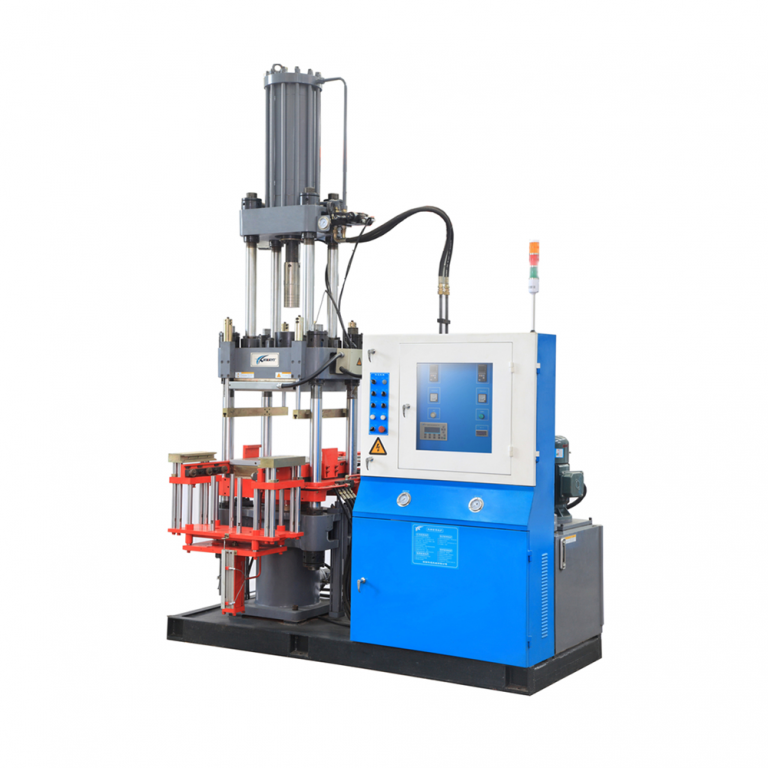
When engineers compare commercial vertical injection equipment, differences in hydraulic flow, platen stiffness and chamber geometry quickly dominate performance outcomes. This comparative analysis focuses on how hydrodynamic constraints interact with structural deflection to determine part quality, cycle time and maintenance frequency. Practical examples draw on industrial vulcanization lines and modern rubber vulcanizing machine installations used across manufacturing hubs in Thailand and Malaysia, where throughput demands highlight these trade-offs.
Hydrodynamic parameters that set the pace
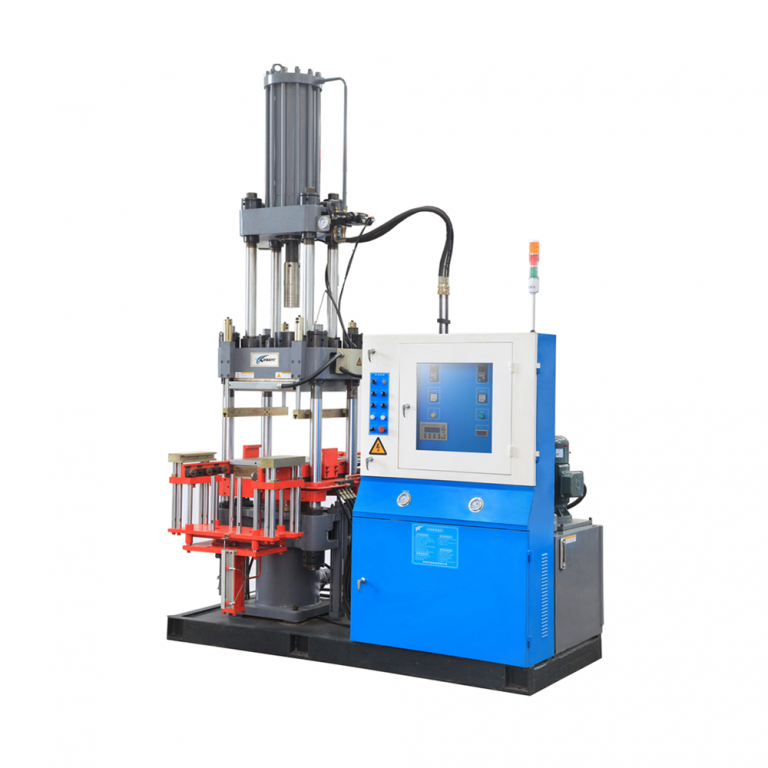
Primary hydrodynamic factors are pump capacity, oil viscosity, valve response and the design of the injection unit. Pump capacity limits maximum injection pressure and thus the achievable flow rate into the mold cavity. Oil viscosity and temperature control the responsiveness of servo- or hydraulic-driven systems and shape the cure cycle profile for rubber compounds. A well-matched pump and valve package reduces pressure spikes that otherwise force designers to add conservative safety margins—margins that cost cycle time and energy.
Structural deflection: measurement and operational impact
Platen bending, tie-rod stretch and frame torsion define structural deflection. Even modest deflection alters compression across the mold cavity, causing flash, inconsistent shore hardness and dimensional drift. Measurement should be instrumented: displacement transducers and finite-element predictions must be correlated with on-machine gauges. Practical tolerance targets are often tighter for rubber than for plastics because vulcanization amplifies dimensional variance during the cure cycle.

Comparative case study: compact versus commercial-grade platforms
Compact machines emphasize lower capital cost and often use single-pump hydraulics; commercial-grade units employ larger pumps, stiffer frames and multi-zone control. The compact design saves floor space but induces higher local deflection under equivalent clamping force; conversely, commercial platforms hold the mold cavity geometry better at high throughput. In regional production lines—especially after the 2020 supply-chain disruptions—producers shifted toward machines that guarantee consistency over sheer speed, a choice justified by reduced scrap rates and steadier cure cycles.
Design remedies and maintenance priorities
Effective remedies address both fluid dynamics and structure. Increase reservoir capacity and add thermal stabilization to the hydraulic circuit to reduce viscosity drift. Specify rigid platens and preloaded tie-rods to limit elastic deformation. Regular alignment checks and replacing seals before performance drops prevent gradual loss of clamping force. For rubber processors, attention to vulcanization timing and mold venting often outperforms incremental pump upgrades.
Common mistakes and corrective actions
Operators often treat hydraulic pressure as the sole performance lever; they underappreciate valve bandwidth and frame stiffness. Another frequent error is overcompensating with higher clamping force instead of addressing uneven platen parallelism—this introduces unnecessary wear. Corrective actions are straightforward: balance hydraulic response with mechanical stiffness, tune the cure cycle, and establish condition-based maintenance intervals informed by real measurements rather than calendar dates—this reduces unexpected downtime.
Advisory: three golden rules for selection and evaluation
1) Metric—Parallelism under load: measure platen parallelism at operating pressure; choose machines that maintain specified tolerance over a full production shift. 2) Metric—Hydraulic bandwidth: verify valve response time and pump flow stability across temperature ranges to ensure consistent injection speed and pressure during the cure cycle. 3) Metric—Structural margin: require finite-element reports showing maximum deflection under worst-case clamping and injection loads; prefer designs with at least a 25% margin to accommodate tool wear and compound variances.
Concluding note and brand-orientated value
These three metrics distil operational experience into actionable selection criteria. Applied rigorously, they reduce scrap, shorten qualification runs and extend tool life—clear, measurable returns for production managers. For teams seeking equipment that aligns hydrodynamic control with structural integrity, technical partnerships that offer documented test data and on-site commissioning provide the fastest route to reliable throughput. HWAYI.