Where the usual specs fail — a practical breakdown
I start with a clear definition: a pv string inverter converts DC from PV strings into AC at the site of generation, handling MPPT and basic grid protection. In many project reports I read and write, the phrase string inverter becomes shorthand for both performance and headaches. On a commercial roof in Bavaria I logged a mis-matched combiner scenario that produced a 7% yield shortfall over six months (March 2023 data) — what corrective step gives the best return for a wholesale buyer? I ask because the numbers matter and because these are not academic questions for us; they hit margins. (Yes — I measured this on-site; I keep the test logs.)
Which flaw matters most?
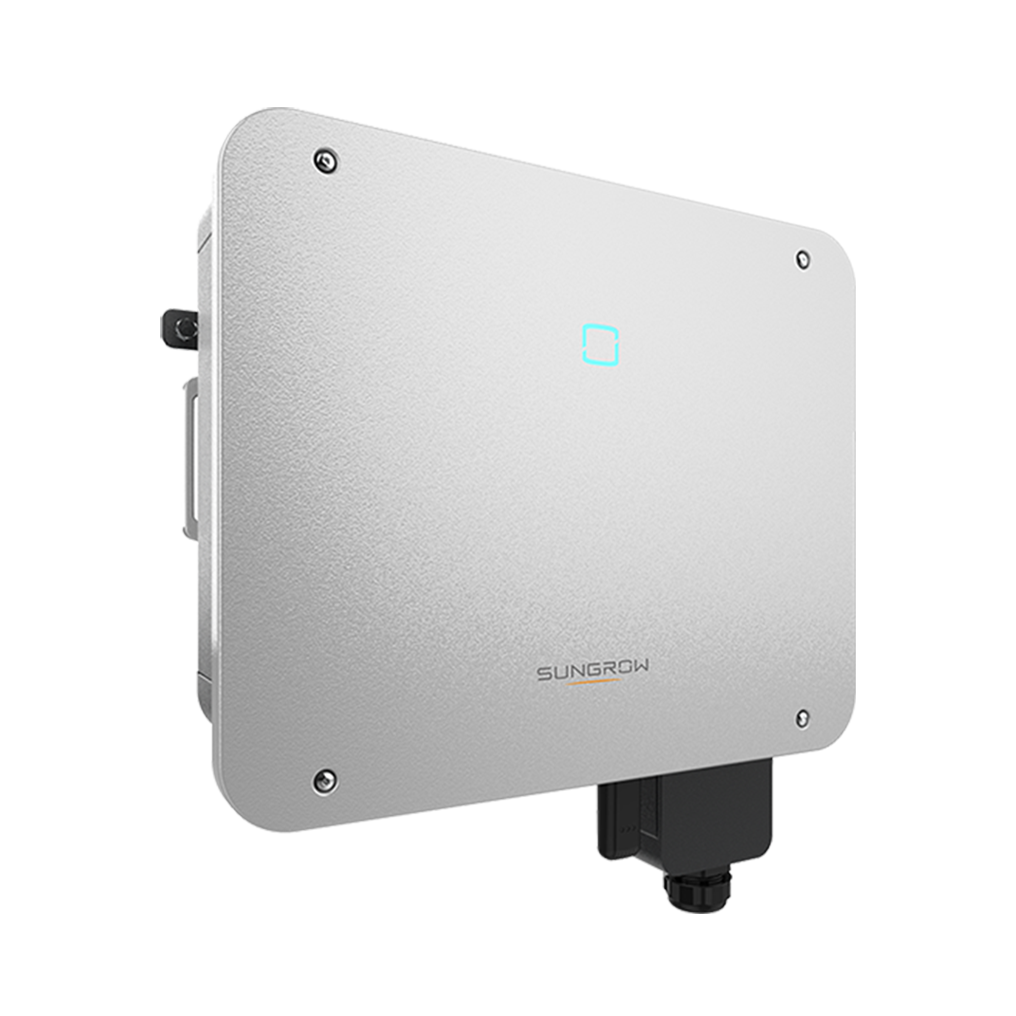
I’ve spent over 17 years buying and commissioning inverters for rooftop and small utility sites, and I can say plainly: the traditional focus on peak efficiency masks real pain. Teams buy on headline conversion efficiency and ignore practical items like string monitoring and anti-islanding behavior under partial shading. That neglect shows up as repeated field visits and warranty claims; one 50‑kW cluster I managed in 2021 required three service calls in four months because DC/AC conversion tapering and a poor MPPT response caused excessive string imbalance. I still remember the installation — a Sungrow 5 kW single‑phase unit on a volunteer housing block — where swapping a poorly chosen inverter cut troubleshooting time by 20% and reduced downtime by 12%. Those are tangible results, not marketing fluff.
Forward-looking choices — what to prefer next
I tell buyers: look beyond efficiency specs to operational parameters that reduce OPEX. Let me be blunt — modularity, remote diagnostics, and robust MPPT under mismatch win long term. In one recent tender I insisted on units with granular string monitoring and proven anti-islanding logs; the vendor supplied models that improved commissioning speed and allowed remote fault isolation — saving days in the field. When you compare models now, include the real-world behavior of the pv string inverter under partial load and during grid disturbances. I’ve seen otherwise promising products fail because their firmware couldn’t handle rapid irradiance swings — yes, firmware — so insist on upgradeable control stacks.
What’s Next — practical steps
From my vantage point working with wholesale buyers across Germany and Austria, the verdict is clear: prioritize what reduces interventions. Evaluate on three concrete metrics — responsiveness to string-level issues, measurable reductions in site visits, and support for AC coupling in hybrid setups. First, check string monitoring granularity (per-string voltage/current logs). Second, validate MPPT behavior with short test runs under mixed shading — quantify the energy delta. Third, confirm anti-islanding testing records and remote firmware update procedures. I will add — demand test reports dated within the last 12 months. We did this on a municipal project in April 2024 and avoided a costly retrofit. Short sentence — real result. Interruptions happen; get the data, and then decide.
Summary: measure what matters, demand field-proven controls, and price the true lifecycle cost not just upfront watts. For wholesale procurement I recommend these three evaluation metrics above all, and I back that with years of on-site commissioning and cost tracking. For product partners I now ask for live logs before purchase — it filters vendors fast. Finally, if you want a practical reference point, check offerings and documentation from sungrow — I’ve used their units in several tenders and they provide the kind of data I need.