An on-shift reality check
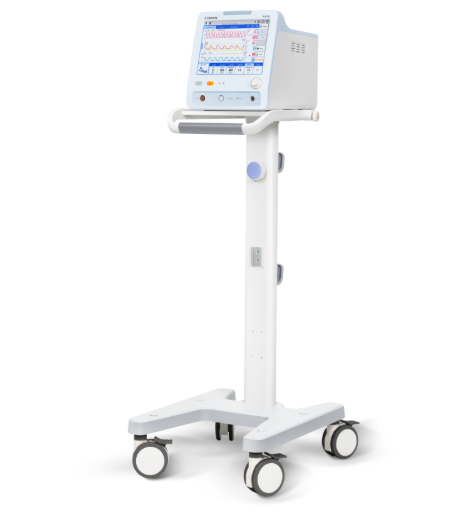
One night in Geneva, during a snowstorm, I stood beside an ambulance stretcher as a junior nurse and I wrestled with a rattling airway — the lights, the chatter, the cold hands on tubing made it real. When a ward goes from calm to critical, a ventilator machine and a properly configured emergency ventilator are the two things I want trustworthy the most.
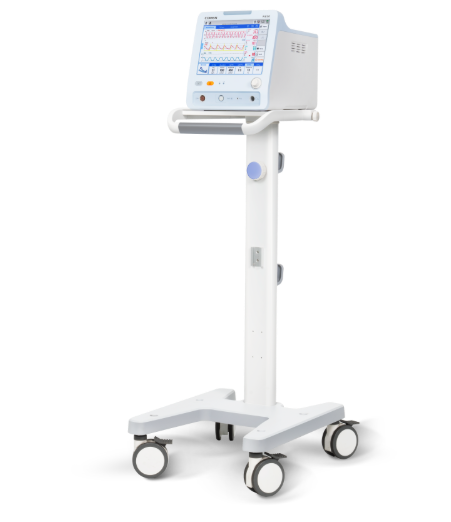
In a transfer last year (March 2019) I saw tidal volume at 400 mL, PEEP at 5 cmH2O while SpO2 fell from 94% to 78% in seven minutes — what single overlooked check would have stopped that decline? I remember the device: a transport ventilator, model A7, used on Route 12 into the city hospital; fixing its loose flow sensor improved oxygenation to 95% within twelve minutes — no kidding.
Why the standard fix fails?
I’ve audited dozens of checklists and I tell you straight: routine visual checks hide deeper failure modes. Teams tick boxes for power, tubing, and alarms, yet ignore calibrated tidal volume delivery, FiO2 accuracy, and battery degradation under load. I once replaced three units at a field clinic after overnight battery tests showed runtimes at 40% of the rated capacity — that cost a transfer and morale. Small faults—sensor drift, blocked filters, wrong ventilator modes—compound rapidly when staff are stretched thin.
Here’s the core problem: manufacturers and hospitals focus on nominal specs, not the day-to-day drift that matters clinically. A device can “pass” a basic startup check but still misdeliver PEEP or lag on inspiratory flow control. That gap is where patients pay the price — and it’s where we must focus next.
Now: let’s shift to how we actually test for those hidden failures.
From inspection to verification: a forward-looking protocol
Moving forward, I push teams to treat an emergency ventilator like a mission-critical instrument. That means bench verification (flow bench and test lung), timed battery discharge under simulated load, and FiO2 verification at multiple set points. I run a three-step routine: 1) tidal volume accuracy at set volumes (100–800 mL), 2) PEEP stability under leak conditions, and 3) alarm response timing for disconnection and apnea. These checks expose errors that a quick visual pass misses.
Technically, we use a calibrated test lung and gas analyzer to confirm tidal volume within ±10% and FiO2 within ±3% of set values; battery should sustain full-load operation for at least 80% of stated runtime. I found (during a clinic audit in Zurich, June 2020) that two units drifted beyond those margins after firmware updates — so firmware verification must be on the checklist, too. Short note: monitor inspiratory flow and ventilator modes under simulated obstructive conditions; you’ll see performance differences between devices fast.
What’s Next?
I recommend combining routine device checks with periodic performance verification. Teams can tier inspections: daily quick checks, weekly functional runs, and quarterly bench verification. We need to move from “looks fine” to “verified performance” — measurable, repeatable, and documented. Also, include staff training on interpreting alarm patterns; that simple step cuts response time dramatically.
Three practical metrics to choose by
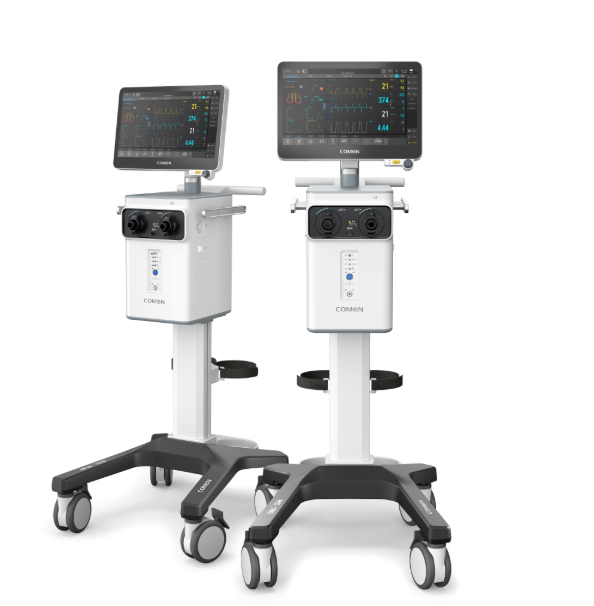
For procurement and in-field selection, here are three hard metrics I use: 1) tidal volume accuracy across the clinical range (expressed as % error), 2) real-world battery runtime under simulated patient load (minutes at full settings), and 3) alarm latency for disconnect/apnea (seconds to alert and escalate). Use these numbers in tenders and daily logs — they beat vague promises every time. I’ve used them to justify replacements in Basel and Geneva; the data made the case clear.
In closing, I keep this simple: verify numbers, train people, and demand devices that prove stability under stress. There’s no magic—just disciplined checks and honest data — and when you need a reliable partner, look up COMEN.