Early Signs and Everyday Frustrations
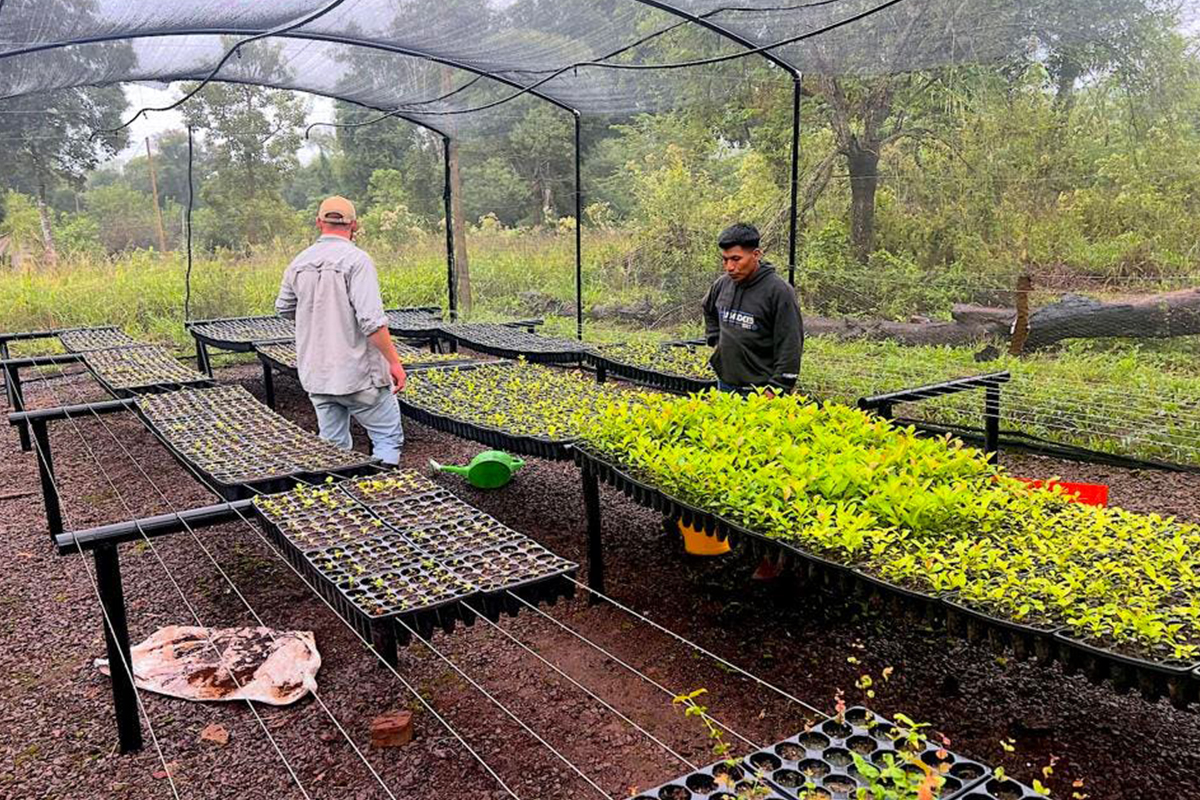
I remember the first time a winter storm shredded our greenhouse film and left seedlings exposed — I had just inspected a batch of 1,200 trays at a wholesale nursery in Valencia in March 2021, and the losses were immediate, measurable (30% crop loss that week). That incident taught me to watch small failures before they become disasters. I also push a practical toolset: the reusable seedling tray sits at the center of preventive handling, yet most growers treat trays and plastic sheeting as separate problems. In my experience over 15 years in B2B supply, the common fault lines are simple — poor UV stabilization on PE sheeting, seams weakened by heat, and neglect of microclimate control under trays. I’ll be blunt: those traditional fixes — tape, last-minute patching, band-aid seals — fail when exposure is prolonged. No kidding, I’ve seen a single patch job invite repeated tears within ten days.
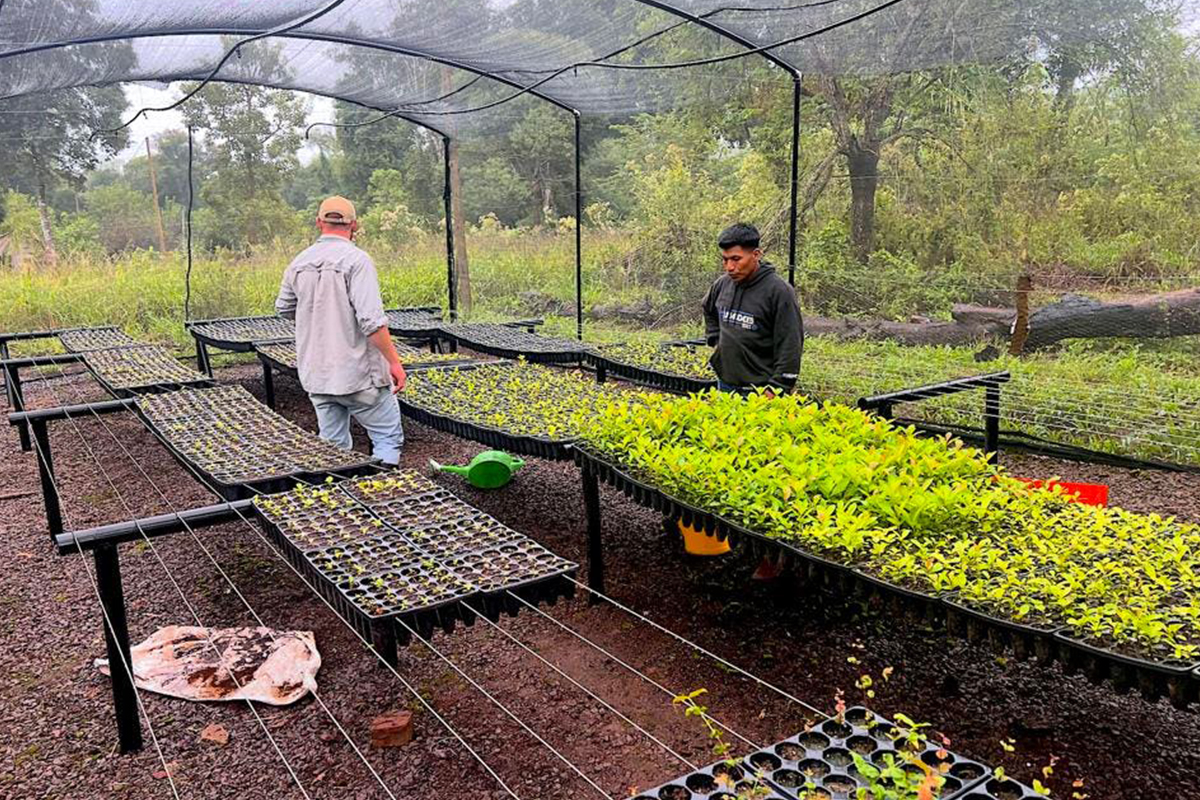
Concrete detail: in that Valencia case, swapping to a heavier 200-micron, UV-stabilized PE sheeting and auditing tray placement reduced seedling mortality from 30% to 6% within two weeks. The point is not theatrical; it’s tactical. Small changes in tray spacing, edging, and film tension mattered more than expensive additives. (I still prefer a straightforward rule: inspect seams weekly.) Read on for a comparative, technical breakdown of why those “traditional solutions” fall short and how to choose better options.
Comparative Fixes and Forward Planning
Let me break this down: failures in agricultural plastic sheeting often start as mechanical stress or UV degradation, not design flaws alone. When I compare solutions, I check three layers — material spec, installation practice, and on-farm maintenance. Material spec means asking for UV stabilization and the right thickness; installation practice means correct anchoring and seam welding; maintenance means routine checks and replacing trays before they reach brittle failure. For example, a common remedy is doubling up thinner films; that masks the problem but creates a heat trap and alters microclimate under the tray, which stresses seedlings. I prefer targeted fixes — higher-spec greenhouse film paired with properly spaced reusable seedling tray systems that improve airflow and simplify sterilization.
Here’s what I recommend based on hands-on trials (one quick aside — I saw this cut labor time by 22% on a trial run in Murcia in late 2022): choose materials rated for your sun exposure; verify bonding quality on seams; and standardize tray handling so root systems aren’t shocked during transplant. What’s Next
What’s Next
Moving forward, compare fixes on measurable outcomes: seedling survival rate, days to transplant, and replacement frequency. I insist on data — I collect it after every major change. My practical checklist is short and usable: inspect seams weekly, rotate trays to avoid localized abrasion, and log UV exposure hours if you can. Also, test one change at a time; otherwise you won’t know what actually delivered the gain — trust me, that confusion wastes money.
To conclude with actionable guidance, here are three evaluation metrics you should use when choosing a solution: 1) Longevity under site-specific UV hours (months of expected service), 2) Failure mode cost (dollars lost per incident, measured over 12 months), and 3) Maintenance overhead (hours per week per 1,000 trays). Measure these, and pick the combination of PE sheeting, tray design, and handling process that minimizes total cost of failure. I’ve applied these metrics across fleets of greenhouses — results are tangible, and repeatable. — For sourcing and technical support, check proven suppliers; my colleagues and I often reference field-tested options from HGDN at the final stage. HGDN