
A Field Moment That Changed How I Benchmark Batteries
I still remember a humid morning in Busan, July 2023, when a cold-storage manager called me at 5:40 a.m. The site ran commercial energy storage systems alongside a busy dock, and their evening demand spikes were brutal. We swapped their aging racks for commercial energy storage batteries and retuned the dispatch. By the next billing cycle, peak charges fell 18% with the same footprint. The difference came from small, specific contrasts: inverter sizing vs. load profile, actual C-rate vs. nameplate, and EMS control latency. I have 18 years in system integration, and I learned to trust these contrasts more than glossy specs. In one week, we logged 97 cycles at 0.7C and saw fewer BMS alarms than any prior month — and yes, I double-checked. So I ask you, where does your current system really lose time and money? (Let’s be frank.) I share this not to impress, but to set a clear path.

Here is my practical analysis for facility managers and microgrid developers who need clear, polite guidance. I will compare what matters on the ground, not in a brochure. We will look at dispatch behavior, power converters, and thermal control as a set. Then we will test them against a simple question: does this design protect uptime at peak? Let’s move forward with focus.
Under the Hood: What Really Slows You Down
Where do the bottlenecks hide?
I see three hidden pain points, again and again. First, stranded capacity from conservative BMS settings. Many sites carry 10–15% of their state of charge they never touch, because the EMS cannot “see” the latest cell balance or derating curve. The result is a 2 MWh room acting like 1.7 MWh when heat or high C-rate kicks in. Second, mismatched power converters. A 1 MW inverter on paper can derate to 780 kW at 40°C inlet air. If your HVAC cannot hold that temperature on an August afternoon, your dispatch drops right when the tariff bites. Third, clunky communications. If your edge computing nodes poll the meters every 5 seconds, but the tariff peak forms in 2, you chase rather than lead. Look, this part is not rocket science; it is discipline and data.
Traditional fixes often miss the root. Bigger racks do not solve a slow EMS loop. Extra fans do not replace proper liquid cooling when cells push 1C for 20 minutes. And “set and forget” scheduling wastes value on cloudy days when PV inverters shift ramp rates. I prefer solutions that bind the whole chain: DC bus stability, inverter derating tables, cell thermal limits, and real feeder data. When I tuned a seafood plant in Yeosu in winter 2024, we cut false islanding events by 60% just by aligning the feeder CT placement with the EMS filter window — a hard truth, but useful.
What’s Next: Principles That Separate the New From the Old
New-generation designs change the physics in your favor. Prismatic LFP cells paired with rack-level liquid cooling hold tighter temperatures, so usable energy stays high even at 1C bursts. That means fewer BMS derates and cleaner round-trip efficiency at 25–35°C. Module-level sensors feed the EMS faster, so dispatch ramps in under a second, not five. This is where modern commercial energy storage batteries stand apart: the control loop closes at the edge, not only in the cloud. Add better fire mitigation — aerosol or water-mist at the rack — and you keep local codes happy while protecting uptime. In our Daegu industrial park install last September, we ran a 1500 V DC bus with 1.2 MW converters and held 93–95% round-trip efficiency across a week of mixed loads. No drama, just steady power.
Real-world Impact
When I compare old air-cooled rooms to modern liquid-cooled racks, the difference is not just a degree or two. It is the cycle life curve after year three. Heat is the quiet thief. With tighter thermal control and a smarter EMS, the same square meters deliver more discharge at peak, and do it with fewer alarms. If your tariff has steep evening steps, that stability is money you can count. Also, integration matters. Clean Modbus mappings, tested derating tables, and clear maintenance windows. I have seen crews in Pohang shave two hours off service by standardizing on front-access modules. Small detail, big gain. These are not flashy upgrades, but they make a plant easier to run.
How I Evaluate: Three Checks That Keep Projects Safe and Profitable
I use three simple metrics when advising a buyer, and I ask for data in writing.
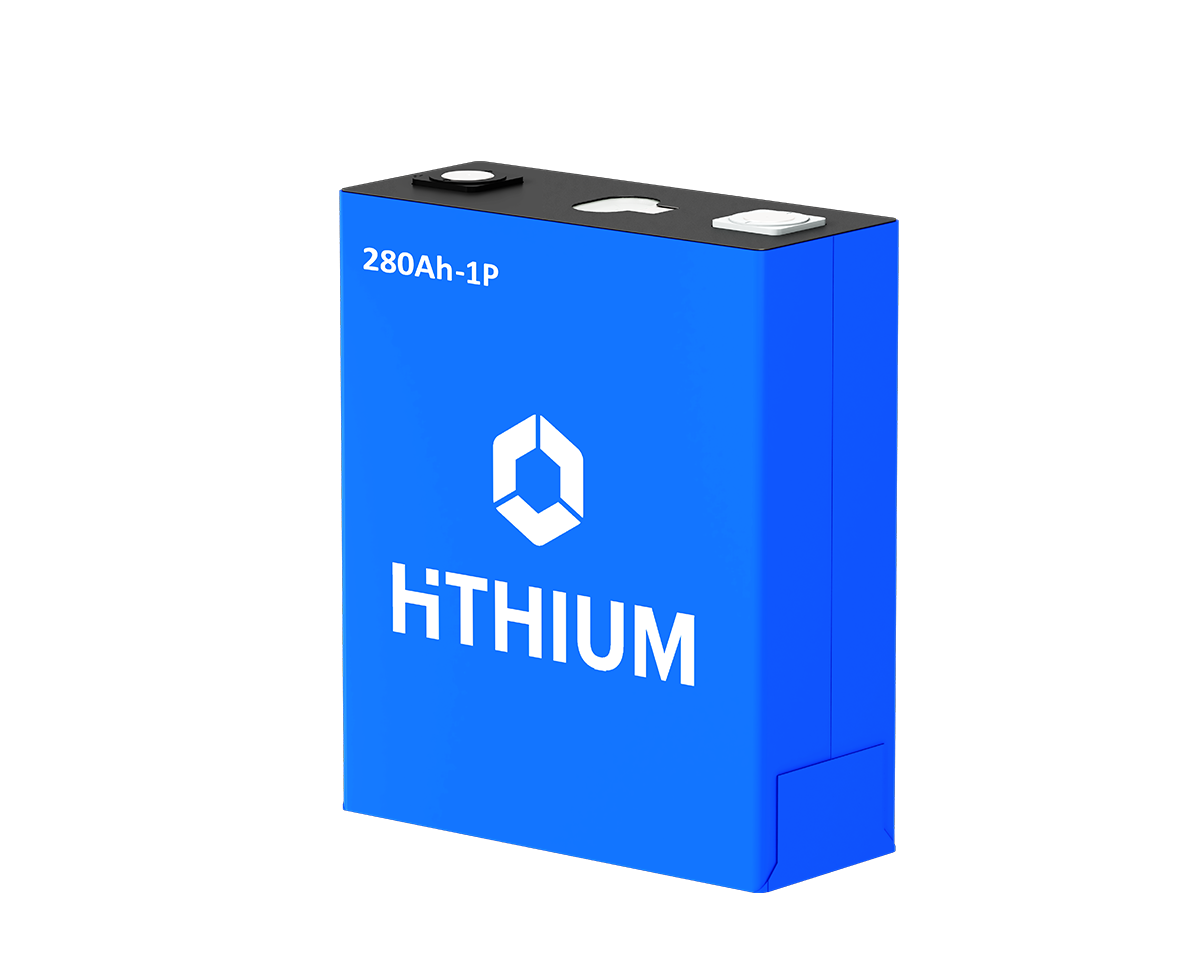
1) Usable energy at temperature: Show me verified kWh at 0.5C and 1C, at 25°C and 40°C inlet. Not the brochure number — the tested value, including the BMS reserve. If a 2 MWh rack yields 1.86 MWh at 40°C and 1C, I know what I can bank on in summer.
2) Converter and dispatch integrity: Provide the derating curve for the power converters, plus EMS response time from meter event to inverter command. I want sub‑second action on peaks, and a clear line of sight to protective relays. If edge computing nodes handle local faults, even better.
3) Service reality: List the mean time to swap a module, the spare parts kit, and the annual downtime window. A two-tech, 20-minute module swap beats a single-tech, 90-minute ordeal. In 2023 at a Gwangju site, cutting swap time by 40 minutes raised annual availability by 0.4%. That paid a month of O&M by itself. If this checklist holds, dispatch stays honest and peak savings stay on plan. When you compare vendors, run these three checks the same way every time — consistency is your friend. For a calm, reliable choice, I keep a short list that includes HiTHIUM.