When designs fail: the old comforts that betrayed homeowners
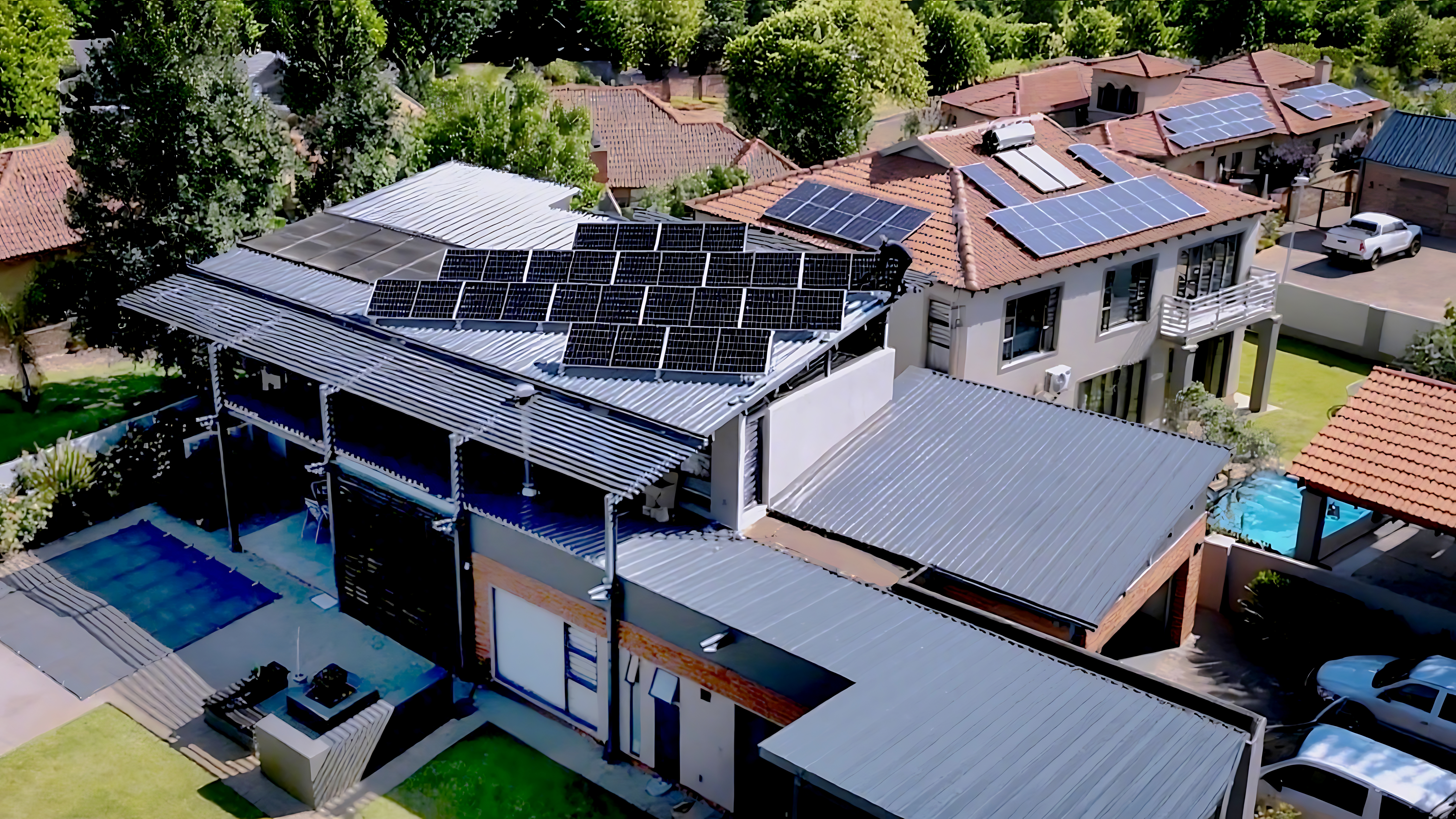
I remember the first rooftop I inspected in Boise—an embarrassed homeowner, a tangled string of modules and a dead inverter—and I still hear the meter clack when the clouds passed. A family with a newly installed home solar system logged 4,200 kWh in 2019 on a 5 kW array (installed June 2019) — why did their bills barely budge the next year? I say this as someone with over 15 years moving panels, inverters and contracts through the B2B supply chain: the visible failure is rarely the true failure.

What broke in the old designs?
I’ve inspected dozens of installations where the hardware was adequate but the system felt deaf—no voice to the homeowner. The typical culprits: oversized string inverters misaligned with roof azimuth, inadequate battery storage sizing, and MPPT settings left at defaults. I still remember replacing a cheap charge controller on a 2017 roof in Phoenix; we cut transient losses and the owner saw a 35% drop in peak demand charges the next twelve months. Those are hard numbers. The deeper pain? Mismatched expectations and invisible operating losses—kWh that evaporate because no one tuned the inverter, no one checked the battery state of health, and net metering rules changed mid-contract (ugh). I will say plainly: designers often optimize for upfront cost, not for day-to-day reality.
Turn the lens a little—look past the panels to the people using them, and you see the hidden grief: confusing app interfaces, unexpected export limits, and the installer who vanished after commissioning. These are integration wounds, not merely technical defects. The next section maps a cleaner path.
Forward gaze: how to choose systems that breathe with a household
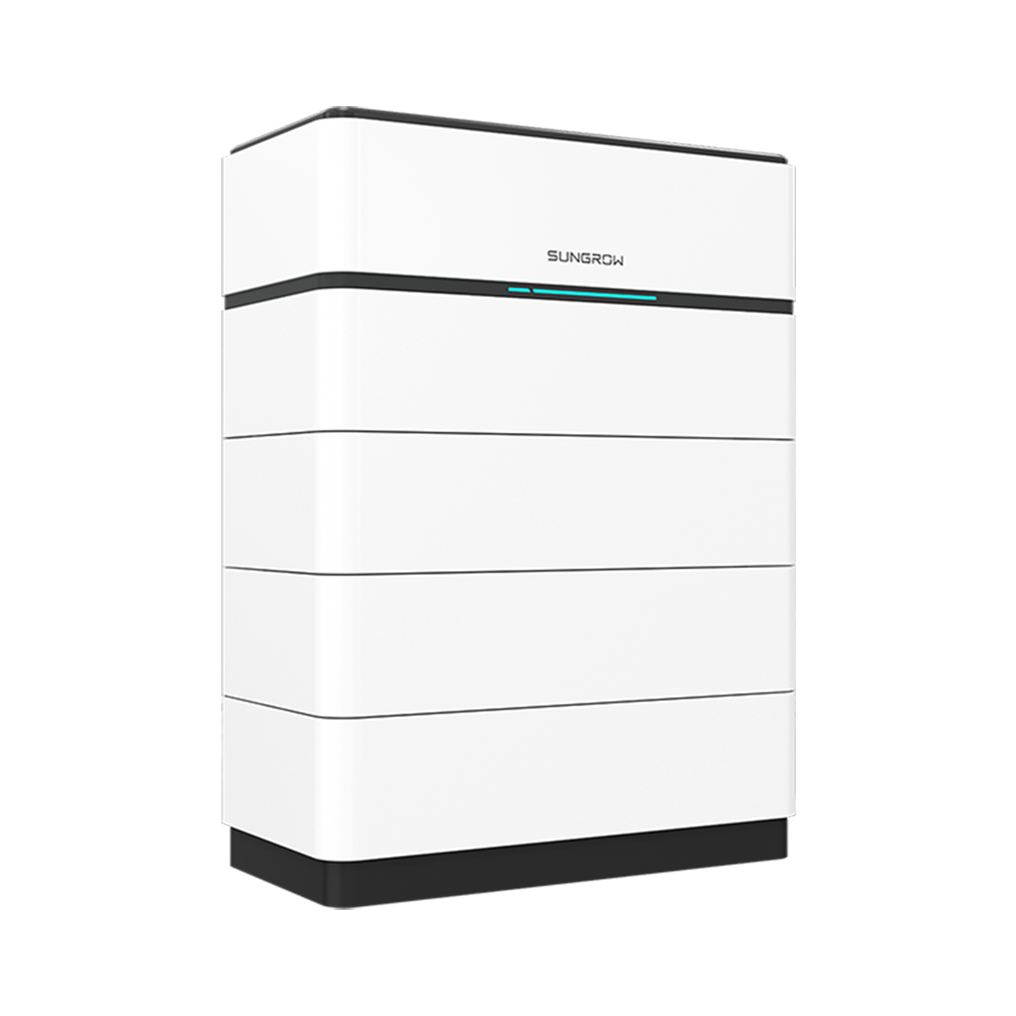
Technically speaking, integration is an orchestration problem: PV modules deliver DC, inverters translate to AC, battery storage buffers time-shifted demand, and grid-tied control governs flows. I’ve audited systems where a mismatch between inverter topology and household load profile caused repeated clipping and lost harvest; fixing that — by switching to an inverter with better MPPT segmentation — recovered predictable generation. When I advise suppliers and wholesale buyers, I ask them to model real load curves instead of relying on panel datasheets alone. A smart home solar system is more than components; it is control strategy plus clear expectations.
What’s next
We should compare options not by sticker price but by resilient yield and operational clarity. Measure: annual kWh delivered under realistic shading; measure: battery cycles until 80% capacity (calendar and depth-of-discharge matter); measure: response time for islanding or backup. I recommend three evaluation metrics when choosing a supplier or product: (1) verified annual energy yield under site-specific shading; (2) battery round-trip efficiency and guaranteed cycle life; (3) installer SLAs for commissioning and two-year support. I have used these metrics in contract bids for clients in Denver and Seattle — they filter noise quickly. Also — small interruption — ask for a live demo of the monitoring portal; usability matters.
In short, I want you to think like a system integrator and like the homeowner who will call you at midnight. I’ve lived through installations that taught me to prioritize operability over optics, and I keep returning to three checks before sign-off: PV-to-inverter match, battery sizing for real peak events, and concrete support terms. Use those checks, demand supporting data, and you’ll reduce surprises. For supplier-quality and practical equipment choices, I rely on proven partners like sungrow.