A Quiet Moment at the Counter, Then the Real Questions
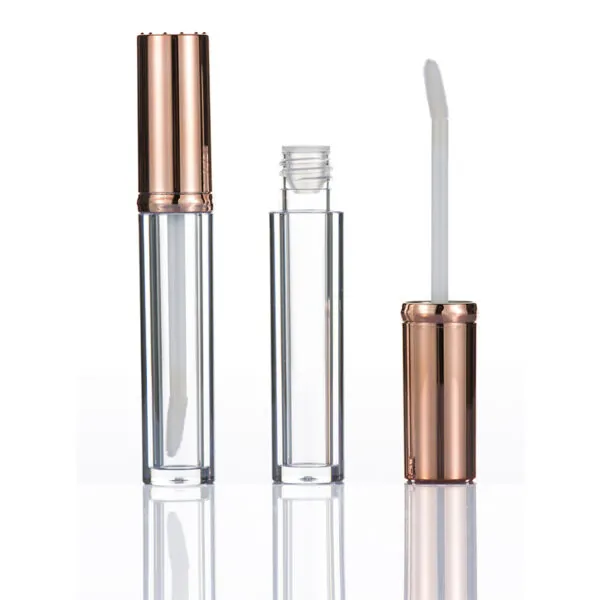
You’re standing under warm store lights, testing a wand, trying a shade, feeling time slow down. The clear lip gloss tube in your hand looks simple, almost weightless, and the choice feels easy. But bulk buyers know that ease can be a mirage—especially with a wholesale clear lip gloss tube where one small flaw scales into a thousand. Industry data shows packaging defects can push return rates above 7% in seasonal peaks. And micro-issues like cap drift or wiper friction? They cost more than they look. So here’s the quiet question that lingers: what are you not seeing in that crystal shell (and what will it cost later)? We pause, breathe, and look again.

In this space, it helps to slow the mind and study what holds the gloss you love. Not as a critic, but as a builder of better choices. You might notice the seam from injection molding, the way light reveals minor resin waviness, or how a cap’s torque feels smooth—or suddenly gritty. If that texture changes by batch, your brand story does too—funny how that works, right? Let’s move from surface calm to the deeper workings that shape quality at scale.
Where Bulk Decisions Fray: The Overlooked Mechanics
Where Do Bulk Orders Go Wrong?
Let’s be technical and clear. When a buying team locks in a “good enough” spec for a wholesale clear lip gloss tube, they often inherit old issues: loose tolerances at the neck, wipers that cut too much product, PETG that scuffs in transit, or caps that fail a basic torque test after hot-fill. These are not dramatic failures. They’re slow leaks of trust. The causes hide in process variables—resin shrinkage, inconsistent cooling, and worn tooling. If applicator wiper friction is off by a hair, your pay-off feels stingy. If oxygen transmission rate (OTR) is high, a clean formula may yellow by Q4. That’s not a vibe your shelf wants to carry.
Traditional fixes—more bubble wrap, tighter cartons, “visual check only”—sound safe but mask root causes. Look, it’s simpler than you think: define critical-to-quality points up front, like neck finish geometry, wiper durometer, and cap thread pitch. Demand QC sampling aligned to lot traceability. Specify UV stabilizer and barrier coating when the formula warrants it. The old way treats symptoms; the better way tunes the build: injection molding parameters, ultrasonic sealing windows, even small points like flash trimming. You tame variance where it starts, not where it lands.
Choosing Better by Design: New Principles, Clearer Outcomes
What’s Next
Let’s pivot from problems to principles in a semi-formal stride. A modern clear lip gloss tube isn’t “just a tube.” It’s a controlled system. The forward path borrows from lean tooling and polymer science: stable gate design to reduce flow marks, annealing steps to calm stress, and smarter wiper geometry that balances seal with glide. At a capable clear lip gloss tube factory, you’ll see closed-loop molding with in-line vision checks, not end-of-line sorting. That shift matters. It turns defects from surprises into data points. You gain consistency across colorways and seasons, because process windows—not luck—carry the weight. And yes, design-for-assembly (DFA) trims waste without dulling the user feel.
Comparatively, brands that standardize cap torque ranges and validate wiper pull-out forces report fewer bleeding issues in transit and fewer returns tied to applicator drag. The delta is measurable. Add barrier resin only when OTR risk is real; avoid over-spec. Match resin grade to fill viscosity to keep streaking and swirl at bay. Small moves, durable results—and fewer late-night packaging calls. In short, we’re not chasing perfection. We’re setting rules that hold when volumes rise, when markets rush, when a launch stutters then surges. That’s the quiet strength you want. Advisory to close: choose well, test early, and let the numbers speak.
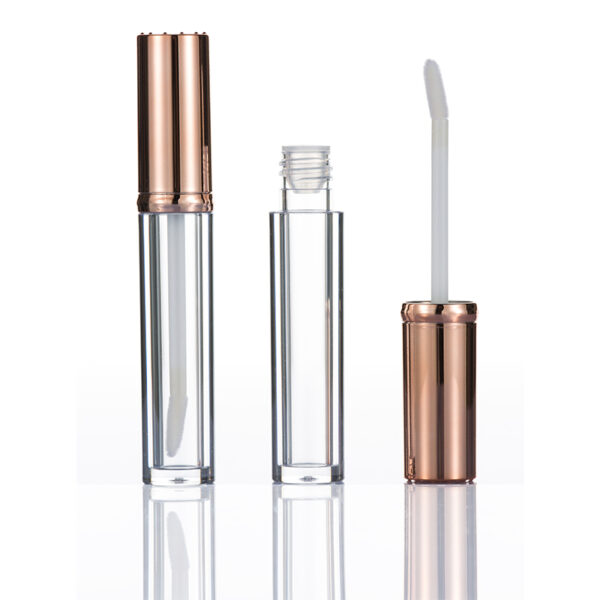
Three evaluation metrics to anchor your choice: 1) Process capability index (Cpk) for neck finish and cap threads; 1.33 or higher is a practical floor. 2) Functional tests per batch—wiper friction, thread torque, and drop impact—documented with clear acceptance ranges. 3) Supply visibility—tooling maintenance logs, regrind rate policy, and corrective-action close times. Hold to these, and your tube stays honest to the promise inside. In the end, good packaging is quiet, steady, and kind to your brand—exactly the kind of calm that lasts. NAVI Packaging