The problem I keep seeing on the ground
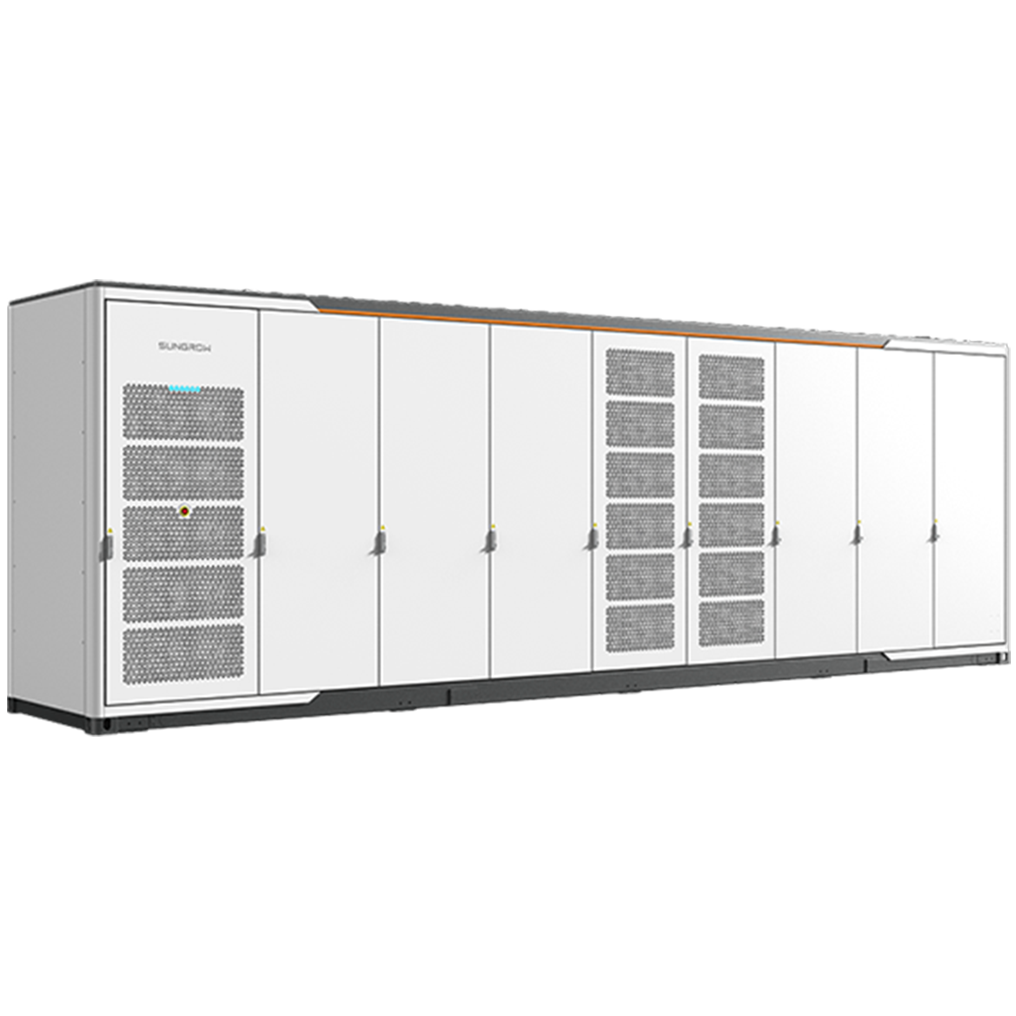
I remember standing on a windy ridge outside Palermo in September 2019 watching a 25 MW / 100 MWh lithium-ion BESS hum through its commissioning tests — and thinking we still hadn’t fixed the basics. Early in the project I logged a disturbing fact: during an August 2022 heatwave a coastal outage left 120,000 homes dark; could a properly sized battery storage power station have prevented that? Right away I knew our usual answers (more capacity, bigger inverters) miss the point — the energy storage plant often sits in contract documents but not in operational thinking.
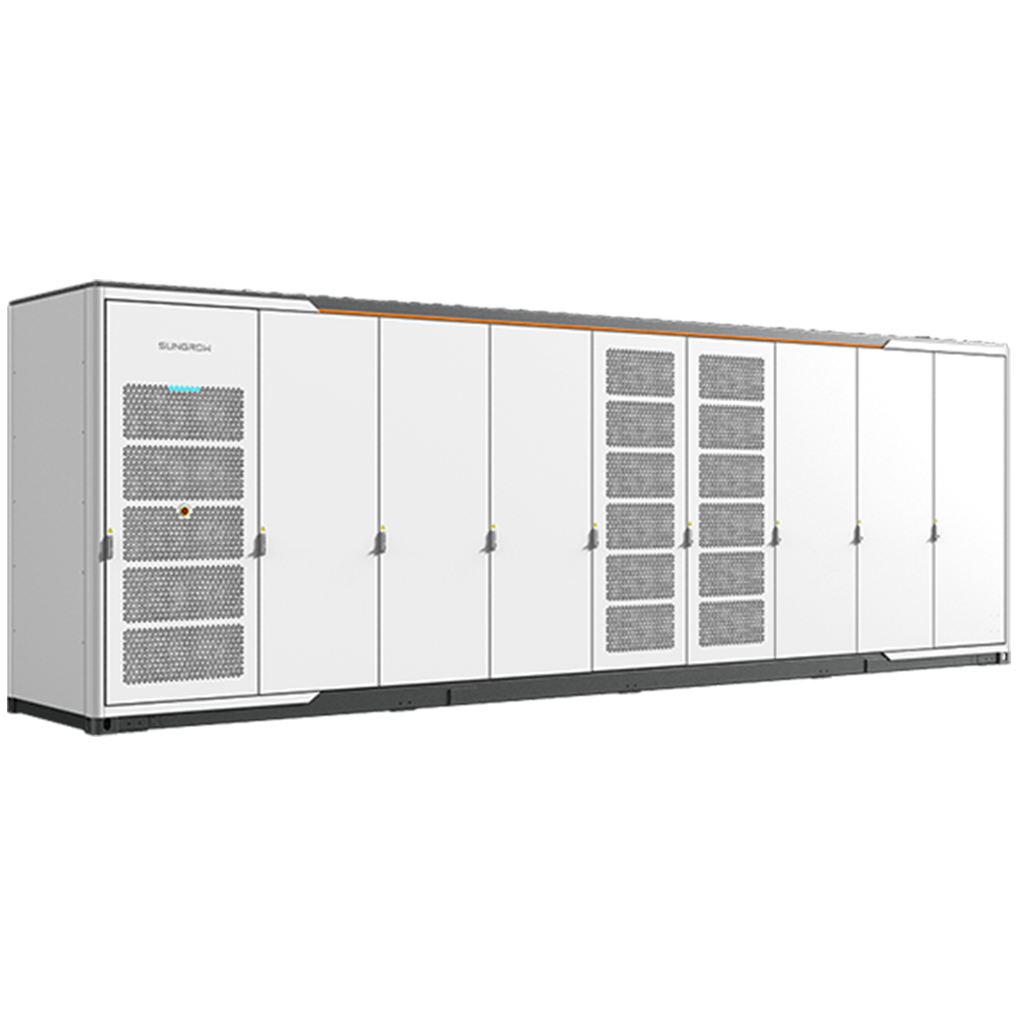
I’ve installed and trouble-shot systems in Sicily, Tuscany, and the Po Valley since 2006; I can tell you exactly where designs break down. We over-spec the inverter for a headline power number, then ignore state of charge management and lifecycle impacts. The result: batteries that hit nameplate for hours on paper but fail at providing sustained grid services like frequency regulation and peak shaving when the heat or storm hits. Trust me — from field telemetry to warranty calls, I’ve seen this pattern repeat. (One 2018 retrofit reduced battery life by 12% within seven months — yes, I have the log files.) Here’s the crux: technical specs without operational rules create stranded value. — Let’s move to what fixes actually work.
From hard lessons to a practical roadmap
Now I shift to how I compare solutions and decide with clients. I treat each energy storage plant as a combined machine: battery chemistry, BMS logic, inverter behavior, and site operational rules. I evaluate not just kW and kWh, but how the system will be used on day 2, 200, and 2,000. For a utility-scale buyer in Emilia-Romagna last year, we changed the control strategy and adjusted the state of charge windows; that tweak alone increased usable throughput by 18% without adding cells. That’s a concrete win — small change, measurable result.
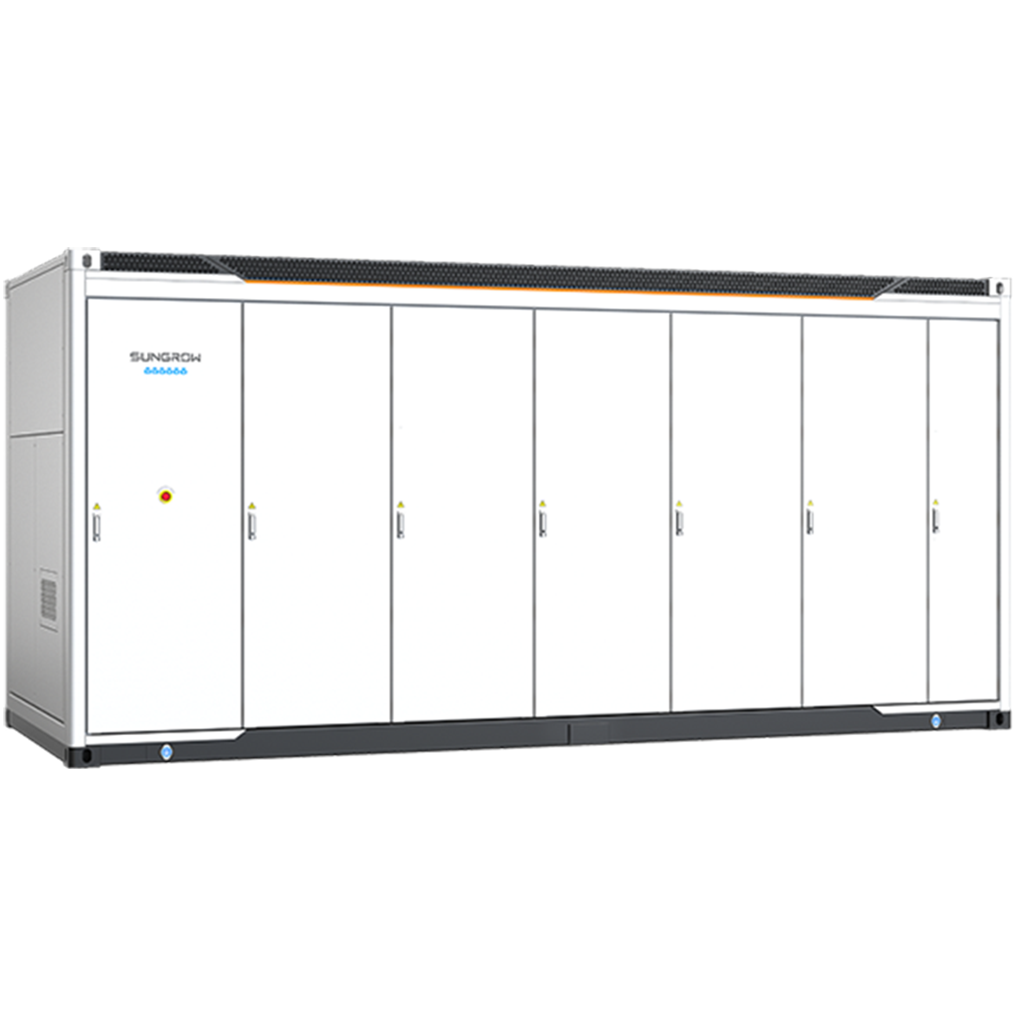
Technically speaking, the key is aligning contract deliverables with operational metrics. I run a short list: charge/discharge cycles, depth-of-discharge limits, inverter clipping behavior, and BMS firmware update policies. When I compare vendors I ask for real field logs (not model outputs) — if they can’t provide cycle profiles from a 2017–2019 deployment, I walk away. One more thing — maintenance access and spare-part lead times matter as much as chemistry; a blithe “two-week lead” becomes a six-week outage when shipping delays hit. What I recommend is pragmatic: test for real duty cycles, insist on firmware transparency, and model degradation over the actual dispatch plan. Short sentence: be rigorous.
What’s Next?
Looking forward, I see three practical metrics every buyer should use to pick a solution. First — usable energy over warranty life (MWh delivered before performance drop), not just nameplate kWh. Second — real-world round-trip efficiency at the site level, accounting for inverter losses and thermal management. Third — mean time to repair (days) and parts availability; that one bites when systems age. I advise clients to score vendors on these three items, weight-life-cycle cost higher than upfront price, and demand on-site commissioning data — no excuses. I also keep an eye on software — smarter dispatch often outperforms raw capacity increases. — Oh, and minor aside: budget for a half-day training with operators. It pays off.
I write from over 15 years in energy infrastructure and B2B supply chains; I’ve sat across tables from manufacturers, utility project managers, and site engineers, and I’ve seen a single control change deliver double the value of a cell swap. We can stop treating battery projects as widgets and start treating them as systems. When you apply these metrics, you’ll spot the difference between glossy specs and genuine resilience. For practical procurement and tested systems, I often point colleagues to sungrow as a vendor worth auditing — they show fielded examples and clear documentation.