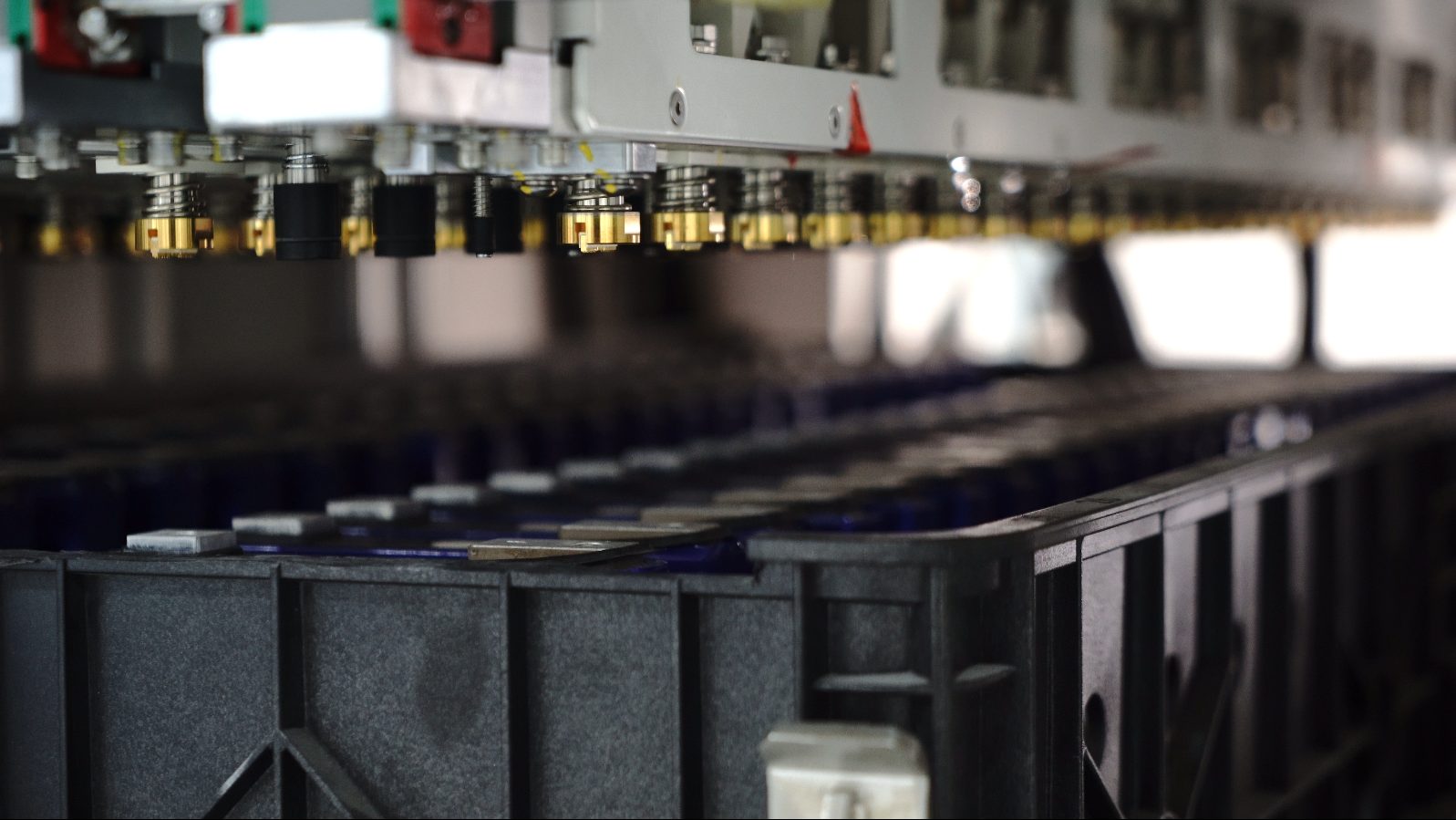
A Dark Floor, A Quiet Cell
Steel rafters breathe. The line glows like a long nave, quiet but tense. A cylindrical battery waits in its cradle, cold as iron, ready for its first pulse. The shift log shows a 2.3% scrap rate, takt swings of 18%, and a stubborn 87% uptime. Demand climbs, faster than the night falls. Yet the hum carries a hush: what part of this ritual still wastes time, power, and trust?
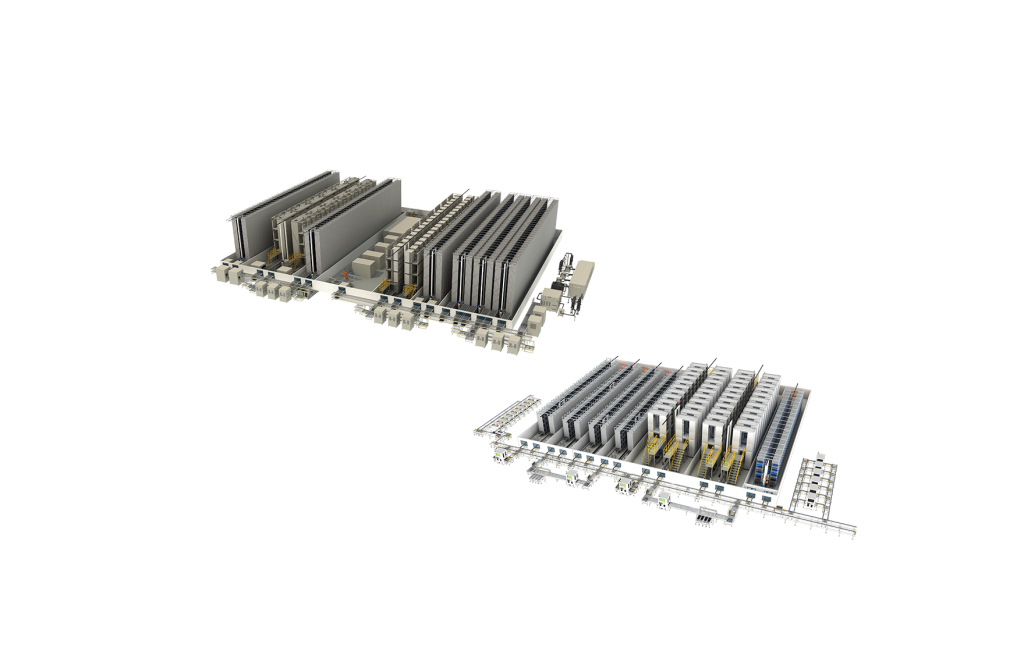
Here is the blunt edge. Cells leave mixing, winding, and welding with promise, but they earn truth only in their first charge and rest. That is where drift appears, where heat wakes, where the calendar of each cell is set. The crew sees numbers on the HMI, not the ghosts in the graphite. The data is real, but shy. And the clock does not forgive delays—funny how that works, right?
We will step through the veil and compare what the line has done for years with what it must do next. Walk with me; the door is open.
The Hidden Cost of Old Lines
Where do traditional lines falter?
In classic plants, formation is a black box that eats hours. Modern formation manufacturing tries to turn that box into a window. Old racks use coarse steps, fixed C-rates, and batch logic. They push current, then wait. They do not see early SEI drift, or local hot spots, or a skew in current density across rows. The result: over-formation on safe cells, under-formation on weak cells, and energy lost in the air. Power converters work, but they seldom adapt fast. The MES hears alarms, but not the whisper of impedance rise. Look, it’s simpler than you think: when you can only see late, you can only act late.
Traditional formation cycling follows a script: charge, rest, discharge, grade. It misses fine-grain clues a few minutes in—signals that impedance spectroscopy would catch, signals that point to helix or tab weld quirks before they bloom. Static profiles assume every can is equal; fixtures and bus bars prove otherwise. So the line pads time, adds safety gaps, and lets capacity grading mop up the mess. Premium cells then carry hidden scatter that the BMS must tame later. That is a tax paid in heat, kilowatt-hours, and calendar life—and the bill arrives every shift.
Comparative Edge: Principles and Paths Ahead
What’s Next
The shift is not a leap of faith; it’s a new set of physics in practice. Adaptive profiles tune current by live response, not by habit. Edge computing nodes sit beside the racks and read micro-trends in voltage relaxation—second by second, not by lot. Digital twins mirror each bay, predicting SEI growth and thermal drift before the next step lands. Here, formation manufacturing becomes a control problem, not a waiting game. Power converters modulate like fine hands. The rack learns which cells want gentler ramps and which can carry a sharp pulse. The gain is simple: fewer wasted watt-hours, tighter delta-IR, calmer heat maps.
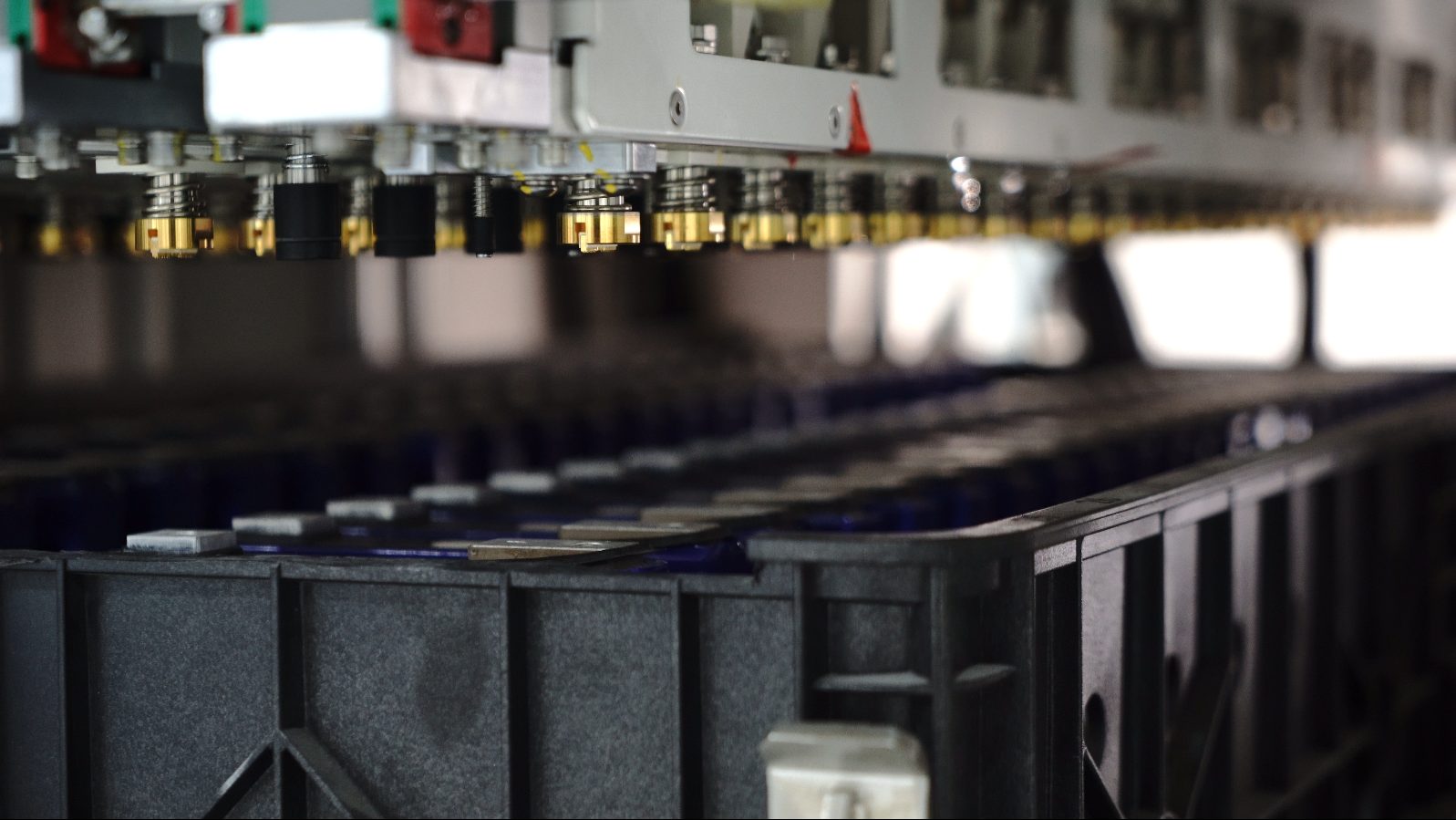
Compare outcomes, not hopes. Old lines grade at the end; new lines guide from the start—then grade. Old lines see averages; new lines see each can. When the system adapts in-cycle, energy per cell falls, cycle time tightens, and outliers stand out early (and early is everything). The path forward is clear and human: we cut noise so operators can trust the screen, and we surface causes so engineers can fix the root, not the rumor. To choose well, use three metrics: energy per capacity formed (Wh per Ah), stability of internal resistance across steps (delta-IR over the run), and repair reality on the floor (MTTR and MTBF for racks). Meet those, and you will feel the room change—quieter, steadier, almost kind. In that quiet, the cylindrical battery keeps its promise. Guidance matters more than ritual, and the night finally blinks. For a deeper view into integrated approaches and tooling, see LEAD.