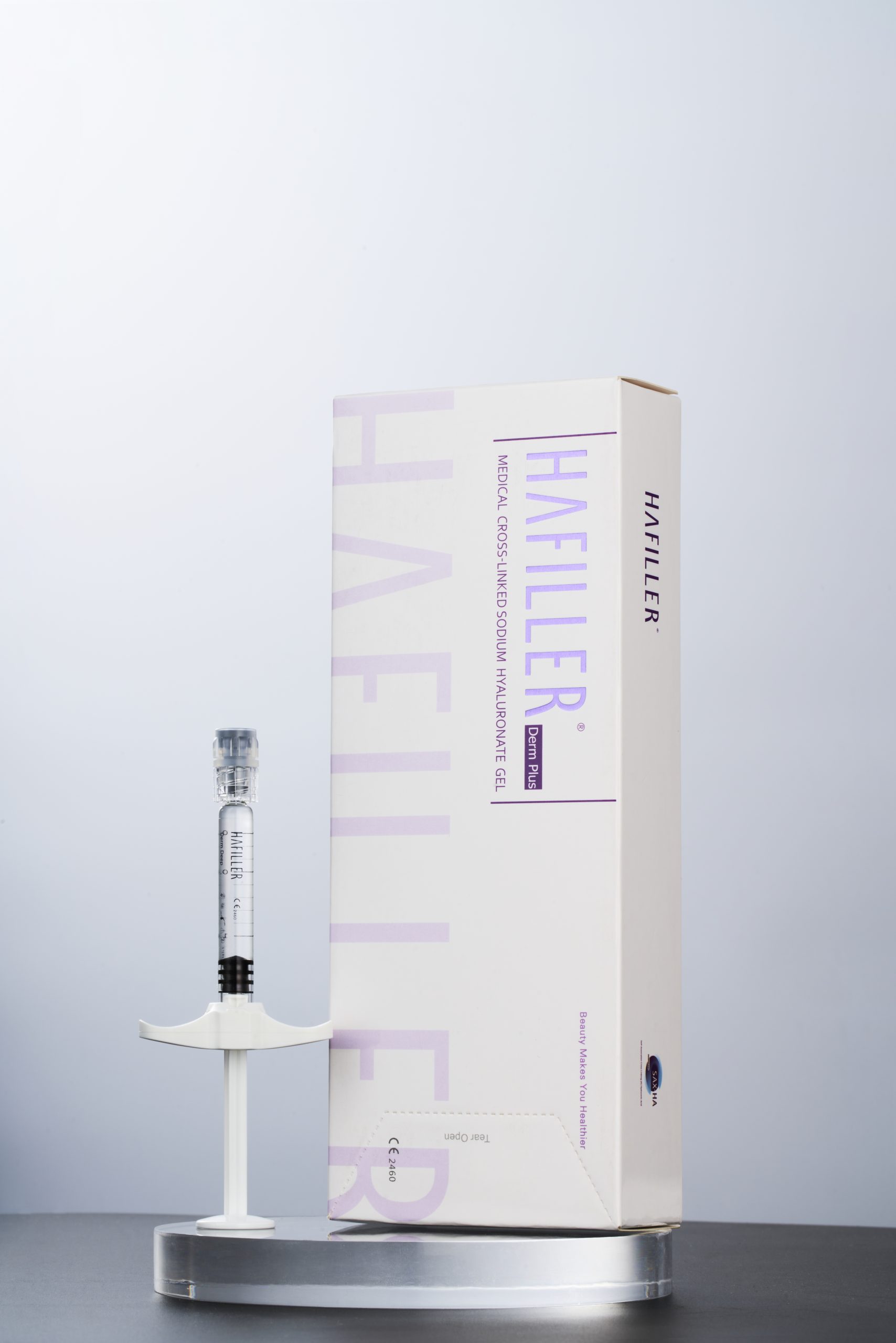
Introduction: Defining the decision space
Breast enhancement with injectables is a method, not a moment. Breast injection fillers sit between surgery and skin care: minimally invasive, yet structural in effect. Picture a patient who can spare a weekend, not weeks. Sessions often run 30–60 minutes, with light downtime and gradual results, which is why the option keeps coming up in consults. Still, how do you judge a choice that is fast, reversible, and shaped by technique as much as product—without missing the trade-offs? The numbers help, but context helps more.

Hyaluronic acid gels differ by cross-linking density, viscosity, and cohesivity; those rheology features govern spread, lift, and feel. Technique matters too. A blunt cannula, layered planes, and ultrasound guidance can make the same filler behave very differently. Real-world photos rarely capture issues like early edema, pressure mapping, or how tissue support changes once swelling fades. And there is the time factor: most gels soften and integrate over weeks, not days (normal, but easy to gloss over). So the core question stands: what signals tell you the result will hold its shape, not just look good on day three? Next, we zoom in on the limits of simple before-and-after frames.
Before-and-After Clarity: What Users Miss at First Glance
Why don’t “after” photos tell the whole story?
Scroll any gallery and you will see quick transformation. Yet hyaluronic acid breast filler before and after images often blur important cues. Early fullness can reflect edema, not settled volume. Symmetry in a front-facing shot may hide sidewall collapse or upper-pole hollows. Look, it’s simpler than you think: gel behavior tracks physics. Gels with higher elastic modulus (G’) lift more but spread less; lower G’ spreads more but may need layering to project. Cohesivity limits drift, but tissue planes and movement still shape the outcome—funny how that works, right?
Users also miss timing and feel. At week one, a form-stable gel may seem “firm.” By week six, biointegration and water-binding make it feel softer, even if the shape holds. Cannula path, entry points, and pocket depth change the load on Cooper’s ligaments and affect long-term contour. Ultrasound checks can flag superficial placement that might cause rippling in thin envelopes. Imaging matters for safety, yet photos rarely log it. And durability is not only months-on-paper; it is the filler’s rheology under shear, your sleep position, your training routine, and how multi-session stacking builds a stable base. Before-and-after frames compress all that into two pictures. You need the story between them.

Comparative Outlook: Technology Principles That Raise the Bar
What’s Next
The next wave is less about “more gel,” more about “smarter gel + smarter maps.” Modern HA networks fine-tune cross-link distribution to balance lift and spread, blending cohesivity with shear-thinning so the product flows through a microcannula but sets with shape. Think predictable viscoelasticity under load, not just “soft or firm.” Add procedural upgrades: ultrasound-guided vectoring to avoid superficial tracks, 3D volumetry to track milliliter shifts, and staged dosing to stabilize the envelope. When you read about filler injection for breast, watch for these principles. They reduce migration risk, improve upper-pole control, and let clinicians match G’ to tissue thickness— and yes, that matters.
How do you choose with confidence? Use three evaluation metrics. First, gel mechanics: ask for elastic modulus (G’), cohesivity scores, and cross-linking profile relative to your tissue thickness. Second, technique quality: confirm ultrasound mapping, cannula gauge selection, and layered-plane strategy documented in your plan. Third, monitoring and reversibility: look for follow-up imaging, 3D measurements, and clear hyaluronidase protocols. Together, these reveal whether a lovely “after” will remain stable once swelling fades and daily motion begins. In short, value principled design over quick optics, staged plans over single large sessions, and measurable follow-up over guesswork. For deeper product specifications and clinical framing, see resources from HAFILLER.