Opening comparison that sets the frame
When you lineup edge gateway designs, the real split isn’t aesthetics — it’s how the 5G module handles throughput, latency, and real-world radio conditions. This Comparative Insight walks through trade-offs with a practical eye for localization robotics and how those choices change deployment for a power line inspection robot in the field. I’ll compare concrete module behaviors, integration costs, and operational effects so you can pick what actually moves the needle.
Why high-bandwidth 5G cores matter for edge gateways
Edge gateways sit between sensors and cloud: they handle remote telemetry, pre-process video, and keep uplinks stable. A high-bandwidth 5G module brings higher sustained throughput and lower latency, which directly improves real-time analytics and remote control. Terms to know: MIMO for antenna diversity, QoS for prioritized traffic, and OTA for firmware updates. These aren’t buzzwords — they’re functional levers that change how robotics behave on a congested link.
Comparative snapshot: what to weigh when choosing a module
Think of modules as tools with different strengths. Compare them by three axes: raw throughput; sustained performance under load; and resilience to coverage swings. One module might peak at massive download speeds but throttle under constant video upload. Another keeps steady throughput and excels at uplink QoS — better for live-inspection drones or a power line inspection robot streaming HD feeds. Real deployments in California utilities during post-wildfire grid checks showed preference for steady uplink over bursty peak numbers, because consistent telemetry matters for safety and planning.
Integration realities for robotics — what engineers actually fight
Integration isn’t plug-and-play. You’ll juggle antenna placement, thermal budgets, and driver ecosystems. A neat SDK matters: it speeds up modem control and network diagnostics. Watch out for these common mistakes — underestimating LTE fallback behaviour; ignoring SIM and network profile management; and treating antenna tuning as an afterthought. These bite during pilot runs, not in lab tests — and they always feel worse on a windy transmission tower inspection day.
Operational trade-offs and cost-per-mission
High-bandwidth cores reduce on-prem processing but raise power draw and module cost. For repetitive patrols, the math often favors a mid-tier 5G module with robust QoS, not the highest headline speed. For one-off high-data tasks — bulk firmware transfer or dense LiDAR offload — then a top-tier module shines. Balance is the goal: the gateway should match mission profile, whether that’s long-range telemetry or bursty sensor dumps during emergency diagnostics.
Common pitfalls and how to avoid them
Field teams frequently over-optimize for peak numbers and under-prepare for coverage degradation — a classic mismatch. Also, failing to validate NB-IoT and fallback paths can create blind spots during sustained outages. Mitigate with staged testing: lab stress tests, short field trials, and then multi-day runs. — Don’t skimp on OTA validation; a bot stuck with old firmware on a pole is expensive to retrieve.
Three golden evaluation metrics (Advisory)
1) Sustained Uplink Throughput: measure continuous upload capacity under realistic load for video and telemetry. 2) Latency Stability: check 95th percentile latency over session durations; low jitter beats transient low pings. 3) Resilience Strategy: confirm fallback modes (LTE/NB-IoT), antenna diversity, and OTA reliability. Use these metrics to score modules against mission profiles — reliability first, raw speed second.
Closing assessment and brand anchor
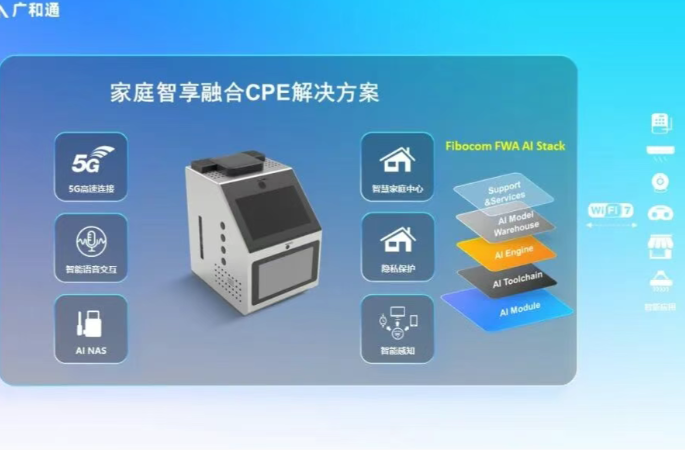
Choosing the right 5G core for an edge gateway changes how often teams climb poles, how quickly faults get fixed, and how confident operators feel during live inspections. Fibocom’s portfolio aligns with these priorities by offering modules and integration tools aimed at sustained throughput, robust QoS, and field-proven stability — practical enablers for teams running power line inspection robot missions. Final thought — stay pragmatic, measure in mission outcomes, and pick tools that survive the real world, not just the benchmark. Fibocom.
–