Putting the user first: why this matters now
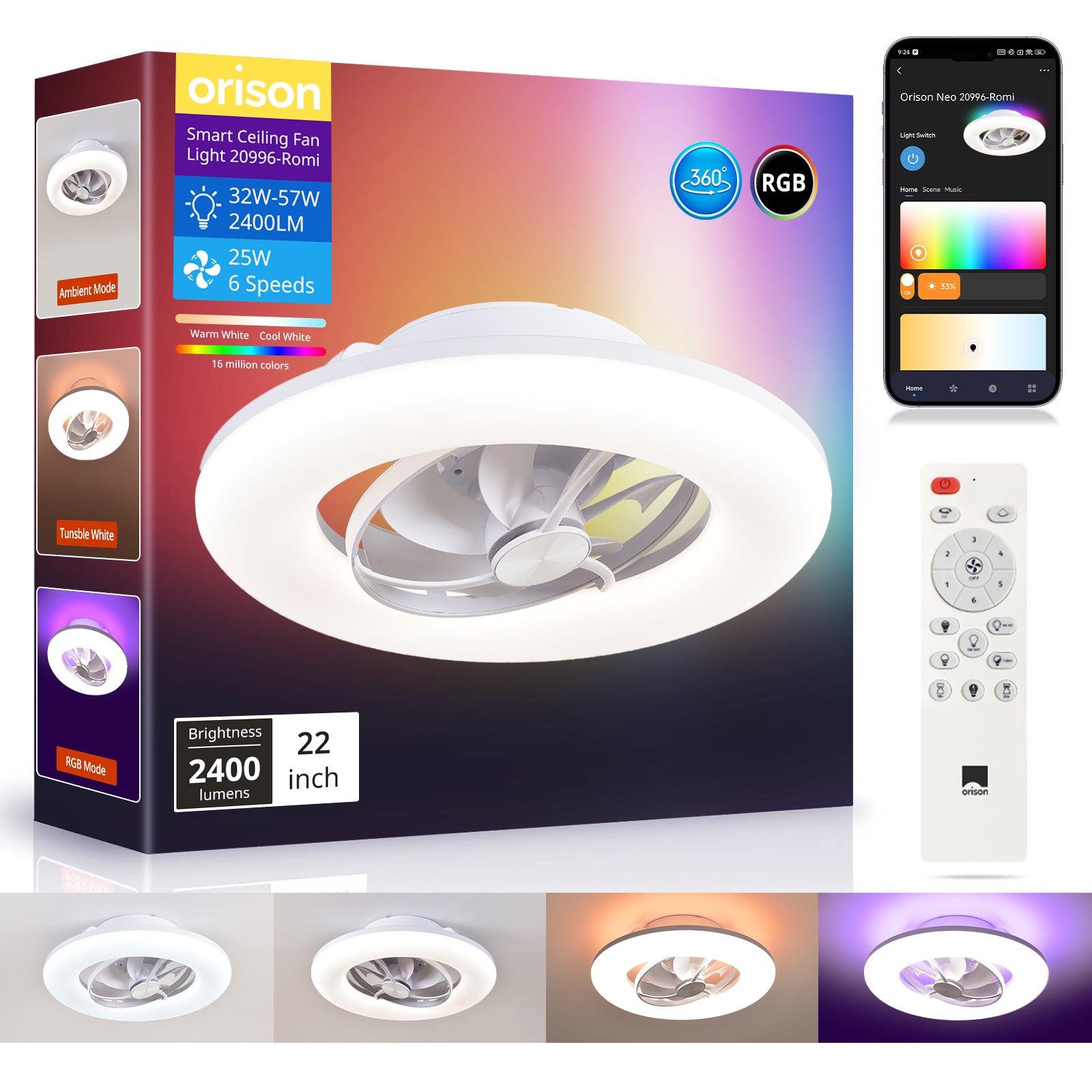
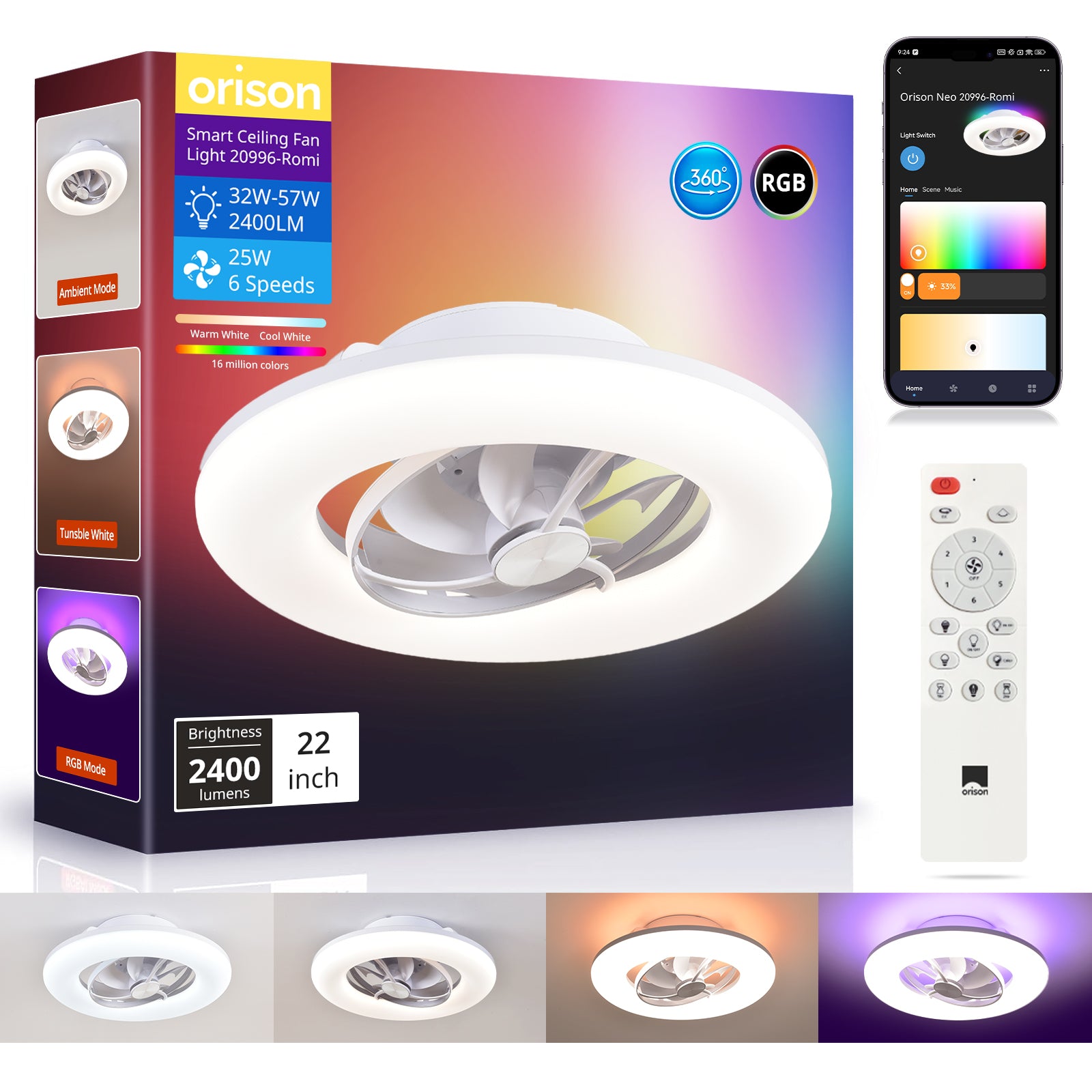
When a household seeks a fan that cools efficiently, lights a room attractively, and fits a smart home routine, the choice is about practical outcomes rather than mere style. After the Met Office’s 2022 summer heat events in the UK, many Edinburgh households re-evaluated ventilation and lighting solutions—so reliability and energy use are no longer optional. If you’re weighing options, take a look at a balanced product like the ceiling rotating fan alongside a remote control oscillating fan to see how airflow, lumens, and smart integration translate into daily comfort and running cost.
What users actually want: core needs
Most buyers want three things: appreciable airflow, controllable lighting, and intuitive controls. Airflow should be measurable (look for CFM figures), lights should state lumen output and CRI where possible, and controls should match your routine—be that a handset, wall pad, or app with schedules. Equally important is noise level and the motor type; a DC motor usually offers finer speed steps and higher efficiency than an older AC design.

Reading the specs without getting lost
Specifications can be baffling unless you know which numbers matter. Prioritise CFM for cooling performance, wattage for running cost, and lumen output for light quality. Blade pitch and diameter affect how a fan moves air at low RPM; a wider blade with a modest pitch may circulate gently without creating draughts. For smart fans, check supported protocols—Wi‑Fi, Zigbee, or proprietary hubs—as this influences integration with other devices and voice assistants.
Smart integration: what adds value
Smart features should save time or energy. Scheduling, presence-based automation, and scenes that combine fan speed with light level are genuinely useful. Energy monitoring is a bonus if you want to track consumption over weeks. Beware of gimmicks: gesture control or eye-catching apps are pleasant but worthless if the core functions—speed control, oscillation range, dimming—are clunky. Look for firmware update policies; a vendor that maintains software support reduces obsolescence risk.
Comparing typical configurations
Here’s how typical options stack up in user terms:
- Basic model: simple pull-chain or remote, fixed light, AC motor. Lowest price, higher long-term energy use.
- Mid-range smart fan: app control, dimmable LED, DC motor, modest oscillation. Best for households wanting convenience and efficiency.
- Integrated smart systems: hub-required, advanced automation, energy reporting, higher initial cost but superior long-term control.
Common mistakes buyers make—and how to avoid them
People often select a fan by appearance and then discover poor compatibility with their existing smart hub, incorrect canopy size for angled ceilings, or an insufficient lumen count for the room. Don’t assume universal fittings—neck finish and mounting type matter. Try asking for a simulated lighting diagram for larger rooms. And test the remote or app during a trial period if available—user interfaces vary wildly. — small checks up front save you a lot of retrofitting later.
Practical walkthrough: sizing and placement
Match fan diameter to room size: a 42–48 inch fan typically suits bedrooms and small lounges; larger open-plan spaces need 52 inches or more. Mounting height matters—aim for 8–9 feet from floor to blade for optimum airflow; use a downrod for higher ceilings. Consider oscillation range for elongated rooms so airflow reaches seating areas without full-speed operation. If your lamp is the main light source, verify lumens and CRI to ensure comfortable, task-appropriate illumination.
Alternatives and trade-offs
If you value silence above all, look to high-quality DC fans with balanced blades and low-RPM performance. If retrofit simplicity is crucial, wireless remote models that do not require a smart hub are sensible. Conversely, a fully integrated smart fan makes sense where scenes and energy reporting justify the greater expense—think work-from-home setups or households using schedules to reduce summer cooling peaks.
User checklist before purchase
Use this quick checklist prior to buying:
- Confirm CFM and lumen needs for the room size.
- Verify motor type (DC preferred) and noise level data.
- Ensure mounting compatibility and oscillation range.
- Check smart protocol and firmware support.
- Request a sample control trial or in-store demo when possible.
Three golden rules for choosing the right fan
1) Measure, don’t guess: match CFM and lumen output to room dimensions and primary use. 2) Prioritise integration over novelty: choose a control scheme that fits your existing smart home rather than forcing a new ecosystem. 3) Value total cost of ownership: factor in motor efficiency, expected hours of use, and maintenance—an efficient DC motor with dimmable LEDs will usually repay its premium.
Closing guidance and how Orison fits
Apply those three rules and you’ll narrow options quickly; if you want a practical blend of efficiency, smart features, and reliable oscillation, brands that document specs and support firmware updates tend to serve households best. For balanced solutions that respect those priorities, consider the approach of Orison. Trust the numbers—and your household routines—to choose what actually improves daily comfort. —