
Introduction
Have you ever wondered whether a bed full of LEDs can change how you heal or sleep?
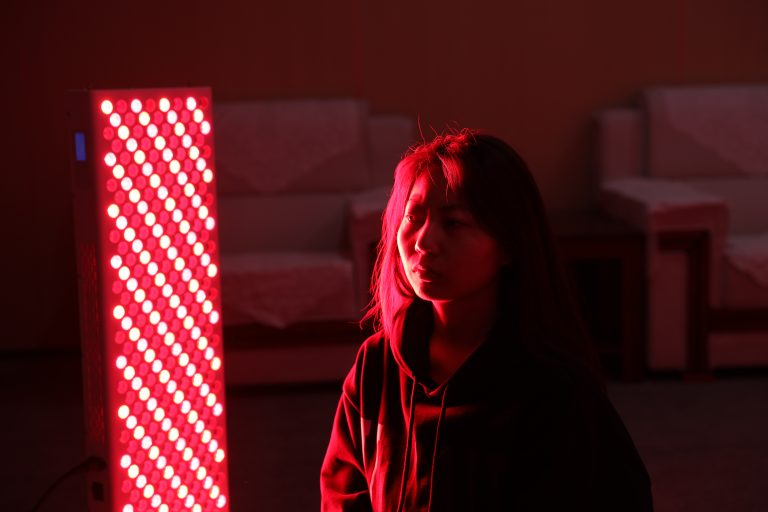
I see patients and friends try red light bed sessions after long shifts or late workouts; the device promises faster recovery and better rest. Data from small clinical studies show changes in sleep quality and reduced soreness after sessions, but numbers vary widely (wavelength, session length, and device power matter). So — does a red light bed actually make a measurable difference for you?
I’ll walk through what I’ve learned, point out where the tests fall short, and ask the sharp questions we all avoid. Next, I’ll dig into the flaws beneath the shiny claims.
Why Standard Devices Miss the Mark
What are we actually measuring?
I start with the hardware: many units call themselves therapeutic but mix low irradiance LEDs with vague specs. A proper red light therapy pod should list wavelength and power density clearly. Instead, you often get marketing terms and glossy photos. That confuses buyers. I find this frustrating. Look, it’s simpler than you think — measure the irradiance, check the wavelength, and ask about pulse modulation.
Technically, photobiomodulation depends on a few core variables: wavelength (nm), irradiance (mW/cm²), and dose (J/cm²). Many home units underestimate dose because their LED array has low output. Users then report no change. That’s not magic failing; it’s physics. Clinicians see this pattern: low power, long sessions, no result. The pain point is real — wasted time and money. Also, devices often ignore cooling and power converters, which affects stability. I’ve sat through demos where specs changed mid-demo — funny how that works, right?
Hidden User Friction: Comfort and Consistency
Beyond specs, users struggle with positioning, session consistency, and trust. The pod design can leave gaps where key muscle groups miss direct light. People stop using the unit because results waver. I’ve coached clients to log sessions and adjust distance. When they do, outcomes improve. That tells me adherence, not just tech, drives benefit.
Future Outlook: Where Red Light Therapy Pods Are Headed
What’s Next for design and delivery?
Moving forward, I expect better integration of sensors and smarter control. A next-gen red light therapy pod will log irradiance, adapt pulse modulation, and guide dose per body zone. That would cut guesswork. Semi-formal note: device intelligence will matter more than LED count.
I also see clearer standards emerging. Labs will publish dose-response curves for common conditions like muscle recovery and sleep regulation. Manufacturers who adopt transparent specs — wavelength bands, power density, and session algorithms — will win trust. Users want measurable outcomes; I want devices that explain their math. There’s a human side here too: comfort, session time, and how the unit fits a routine. Make it easy to use, and people will use it more. — true story: a friend started using a pod because the app sent a one-minute reminder. He stuck with it.
How I Recommend Choosing a Red Light Solution
I’ll close with three practical metrics I use when advising people. These are simple. They cut through marketing noise.
1) Wavelength clarity — Look for clear listings (e.g., 660 nm for surface tissue, 810–850 nm for deeper penetration). If a brand won’t state this, move on.
2) Measured irradiance at use distance — Ask for mW/cm² at the recommended distance. Low numbers mean long sessions and low effect. I prefer devices that publish real measurements.
3) Usability and adherence features — Check for session logging, cooling systems, and comfortable pod design. If you won’t use it daily, the tech doesn’t matter.
I’ve tested units that hit two of these and felt the difference. I’ve also shelved devices that looked impressive but failed on one point. Trust your experience. If the routine feels awkward, you’ll stop. If it’s easy and the company shares clear specs, you’re more likely to get value.

For those who want a starting point with clear specs and sensible design, check the work from Magique Power. I don’t share brands lightly, but I appreciate transparency and measured claims.