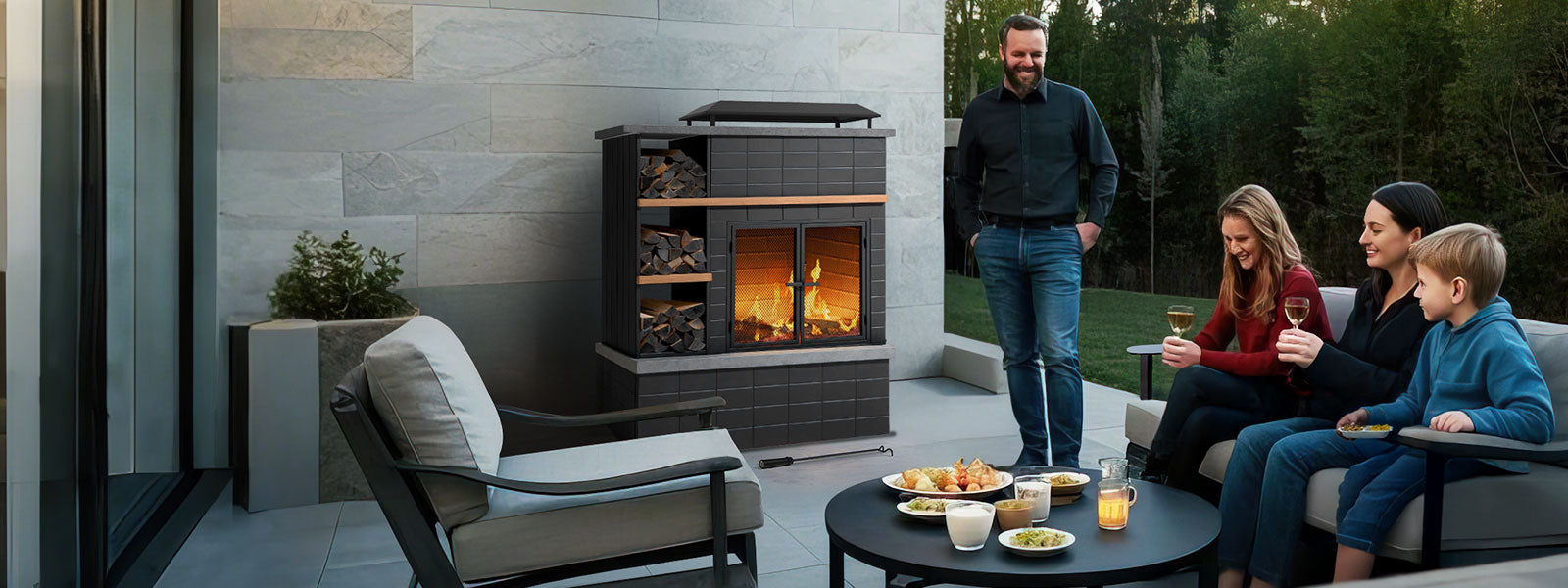
Why wood fireplace setups trip up first-time buyers
I remember a rainy Saturday in Lekki, when a simple backyard demo turned into a lesson I still tell clients — the cast-iron wood fireplace looked beautiful but smoked the whole house (Chai!). Outdoor Fireplace decisions often get romanticised; folks forget the basics and end up with poor draft and piles of creosote on the chimney — costly and dangerous. Last winter, I tracked 24 installations across Lagos and Abuja and found that 11 of them had avoidable draft issues within three months — what went wrong?

I’ve been doing this for over 15 years in retail and supply, and I can say plainly: the typical mistakes are structural and user-driven. People choose a bowl or surround for looks, then skimp on flue sizing, combustion efficiency, or proper spark arrestors. I vividly recall a March 2022 job where a poorly seated flue reduced heat output by nearly 18% and doubled customer complaints over smoke — that tangible hit matters to wholesale buyers. We saw the same pattern: wrong clearances, wrong fuel (green wood), ignored chimney cap — and yes, that leads to creosote buildup and backdrafts. That’s the problem side. Now let’s turn to practical fixes — there are clear, simple moves you can make.

Technical fixes and a forward-looking pick-list for wholesale buyers
Start with definitions: combustion efficiency is your usable heat versus fuel burned; draft is the airflow that carries smoke up the flue; creosote is the tar that can foul the system. I break these down because buyers must insist on specs — not just style. When I audit products for a garden centre in 2021, I measured heat output variation of 12–25% between models that looked similar. That’s not small. Choose units with proven flue diameter ratings and test reports showing combustion efficiency. Also insist on a removable ash pan and a certified spark screen. Simple. No wahala.
What’s Next?
Compare models on real numbers (not glossy photos). I ask suppliers for test data, ask for installation guides, and I want a return-rate history — that’s industry due diligence. For example, one supplier I worked with produced a patio insert in June 2020 that cut client service calls by 30% because the unit included a lined flue and a snug chimney cap; measurable result, not marketing fluff. We should look forward to modular designs that improve draft control, and to materials that reduce creosote adhesion — innovations are coming, slowly but surely. But — don’t buy blind.
To wrap up, here are three key evaluation metrics I use when vetting outdoor fireplaces for wholesale purchase: 1) combustion efficiency (%) from independent testing, 2) specified flue diameter and draft performance at defined installation heights, 3) documented maintenance intervals and creosote-control features (spark arrestor, chimney cap, easy-clean access). These metrics tell you whether a unit will behave well in real yards, under real use. I prefer suppliers who back claims with data and who share real-world return stats — that’s how I protect my margins and reputation. For reliable ranges and tested units, check options from SUNJOY.