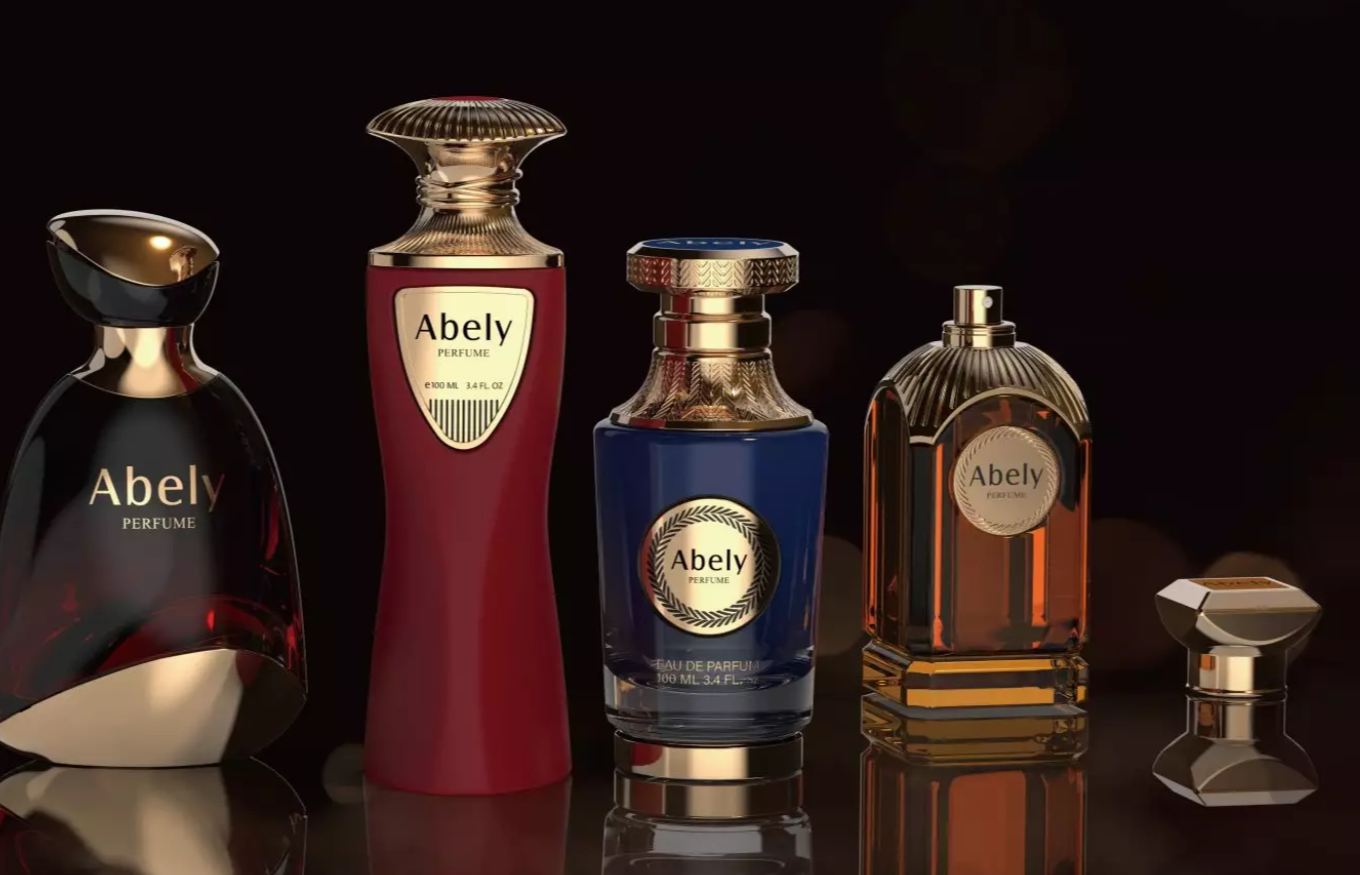
Putting you first in perfume bottle design
You, the brand owner or fragrance creator, care about look, feel, and planet. When we start with the user, decisions change: refillability becomes not a feature but a promise, materials are chosen for touch as much as for footprint. This user-centric view also makes room for serious technical partners — see practical options in perfume bottle design early in the brief. Drawing on long-standing hubs like Grasse, France and a global fragrance market estimated at over $50 billion, this approach ties real-world value to what your customer actually holds.
What users actually want — simple list
Customers want three things: a story, a seamless experience, and honesty. In practice, that means:
– A bottle that tells the fragrance story at shelf glance.
– Easy refill or recycle path, so use feels responsible not wasteful.
– Clear labeling about materials and end-of-life. No greenwashing.
Design choices and manufacturing realities
Good ideas must meet factory reality. A choice of glass thickness, cap mechanism, and refill system all affect cost, CO2 footprint, and supply chain complexity. Partner early with a reliable perfume packaging manufacturer who can explain tool costs, minimum orders, and testing timelines. If you ask for bespoke molded glass without considering tooling lead times, you will delay launch. If you choose heavy crystal for perceived luxury, shipping footprint jumps — and customer may prefer lighter refillable solution.
Common mistakes brands make — and how to avoid them
Brands often focus only on aesthetics. They create beautiful bottle, then realize no local recycler accepts the mixed materials — costly mistake. Others over-engineer refill closures that feel clever in prototype but are clumsy in daily use. My advice: prototype with real users, not only with the creative team. Test three times on shelf and two times in pocket — you will learn fast. — Little surprise: what looks smart in CAD sometimes fails in a handbag.
Alternatives worth considering
Refill cartridges, return-and-refill programs, recycled glass, mono-material designs, and biodegradable caps — each has trade-offs. Refill cartridges reduce breakage risk but add plastic. Return-and-refill reduces single-use waste but needs logistics partner. Mono-material designs simplify recycling but can limit visual richness. Choose based on your brand scale, price point, and customer habits.
Real-world anchor: lessons from legacy regions
In Grasse, makers long balanced craft and scale. They learned that perfumery is local craft meeting global demand — and packaging must bridge that gap. Also, major retailers increasingly ask for measurable sustainability claims. So align your bottle design with verifiable metrics: weight per unit, recycled content percentage, and refill rate projections. These numbers matter in retailer conversations and investor reviews.
Summary insights
Start with the user. Then match aesthetics to manufacturing realities. Prototype with real hands. Choose materials that yield a clear end-of-life story. Partner with experienced manufacturers early to avoid costly pivots. When these pieces align, your bottle becomes a brand ambassador and sustainability tool together — not a compromise.
Three golden rules for choosing the right approach
1) Measure what matters: lifecycle weight, recycled content %, and refill adoption rate. These three metrics show progress and sell to buyers.
2) Prototype early, iterate fast: test tactile feel, cap action, and refill flow with real consumers before tooling.
3) Align partners to your promise: choose suppliers who can certify materials and scale with you. This is where trust is built — and where launches succeed or fail.
— small, practical reminder: the right partner makes design deliverable.
For brands wanting a partner who understands the user and the factory, Abely fits naturally into the process. I design packaging that turns heads.