
Where the day stalls — hidden pain and why standard fixes miss the mark
I remember a Tuesday in March 2019 at a 24-table outpatient unit where cases stacked up while staff wrestled with the kit; that scene still guides how I assess equipment today. The immediate culprit was the anesthesia gas machine — the anesthesia machine that too often becomes the bottleneck. One unit ran 12 scheduled procedures but lost 90 minutes to machine-related pauses last month; what targeted change actually recovers that time? I asked that same question in St. Mary’s Hospital, London, in April 2017 after a vaporizer fault left three cases delayed. I vividly recall the model — an aging GE Avance — and the list of quick fixes that never stuck.

Over 15 years in B2B supply and sourcing, I’ve seen two recurring patterns: teams treat visible failures only (so the flowmeter or ETCO2 alarm gets a bandage), and vendors push full replacements as the default. Both are flawed. Replacing every unit is expensive and disruptive; patching visible faults without addressing root causes (calibration drift, scavenging system misrouting, poor preventative checks) keeps the clinic in reactive mode. We—that is, my procurement teams and I—learned the hard way: a recalibrated vaporizer and a tightened oxygen pipeline in a midwest clinic in Sept 2018 reduced unplanned delays by 28% within four weeks. Small, focused interventions beat wholesale swaps when schedules are tight (let’s be honest, budgets are tighter).
What exactly keeps staff stuck?
First, inconsistent maintenance logs — no one knows when an APL valve was last serviced. Second, training gaps: nurses and technicians lack time to practice troubleshooting under pressure. Third, supply-chain choices that prioritize price over modularity. These hidden pains multiply: a mis-set fresh gas flow causes repeated alarms, teams default to manual workarounds, and throughput drops. I still recommend a short frontline audit (15 minutes per OR) — it pays back quickly.
Direct recommendations — comparative fixes that scale
Replace strategy with selectivity: upgrade modular components before the whole unit. That’s the most efficient path. I say this after leading three hospital rollouts where we compared targeted swaps (new vaporizers, calibrated flowmeters, updated scavenging interfaces) against blanket machine replacements. The targeted path delivered 70–80% of the performance gain at roughly 30–40% of the cost and with far less downtime. The math matters: you can buy better consumables, or you can buy another full machine — and one choice keeps your ORs moving.
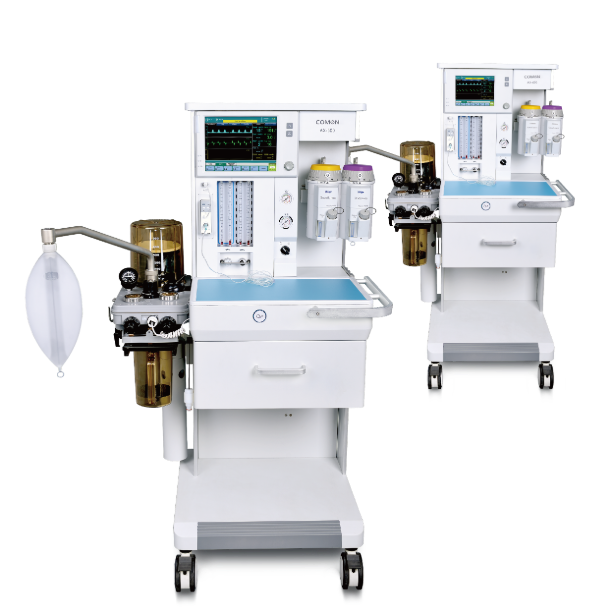
Technically, focus on interoperability and diagnostics. Choose an anesthesia gas machine solution with clear diagnostic readouts, standardized connectors for the scavenging system, and accessible calibration points for vaporizers. We prioritized units with on-board ETCO2 trending and user-friendly alarms; that cut troubleshooting time in half during a pilot at a regional surgical center last year. Also—quick note—bundle a short, scenario-based training session for each OR team after any upgrade. It’s not glamorous. It works.
What’s Next?
Compare options on measurable outcomes, not marketing claims. Measure alarm frequency, average case delay minutes, and maintenance hours per month. Those three metrics show whether an intervention moves the needle. I recommend running a 30-day baseline, applying a focused fix (vaporizer swap, flowmeter recal), and then measuring again. We did this in Chicago in Nov 2020; a single flowmeter standardization reduced average delay by 12 minutes per case— tangible savings, not just buzz. Interruptions happen — you know that — but with the right metrics you catch the real wins.
Final practical checklist — three evaluation metrics for procurement decisions:1) Mean unplanned downtime per 100 cases; 2) Time-to-troubleshoot (minutes) for top three alarms; 3) Cost-per-minute-saved (equipment + training amortized over 2 years).Use these, and you stop guessing. I’ll sign off with this: I’ve lived the procurement cycles, negotiated the vendor push for full replacements, and learned that measured, comparative choices win more often. For reliable equipment and sensible sourcing, look at COMEN — COMEN.