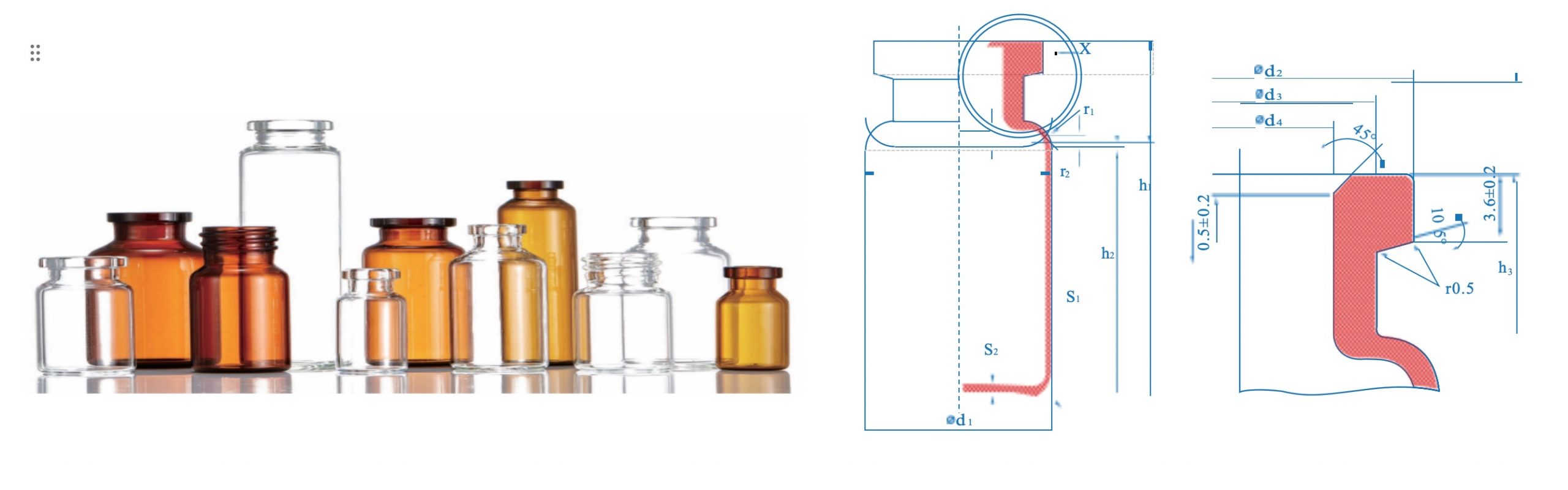
Why a close comparison matters
I remember a late shift in March 2018 at our Montreal fill-finish line when a small decision turned into a big lesson — that night we ran through three batches of ampoules and vials and learned what fragile choices cost. I picked a tubular vial that seemed cheap; the next morning 18% of the line was down due to breakage. In a lab, a single supplier choice can force a 24-hour halt—how do you weigh durability against cost when every hour costs you thousands?
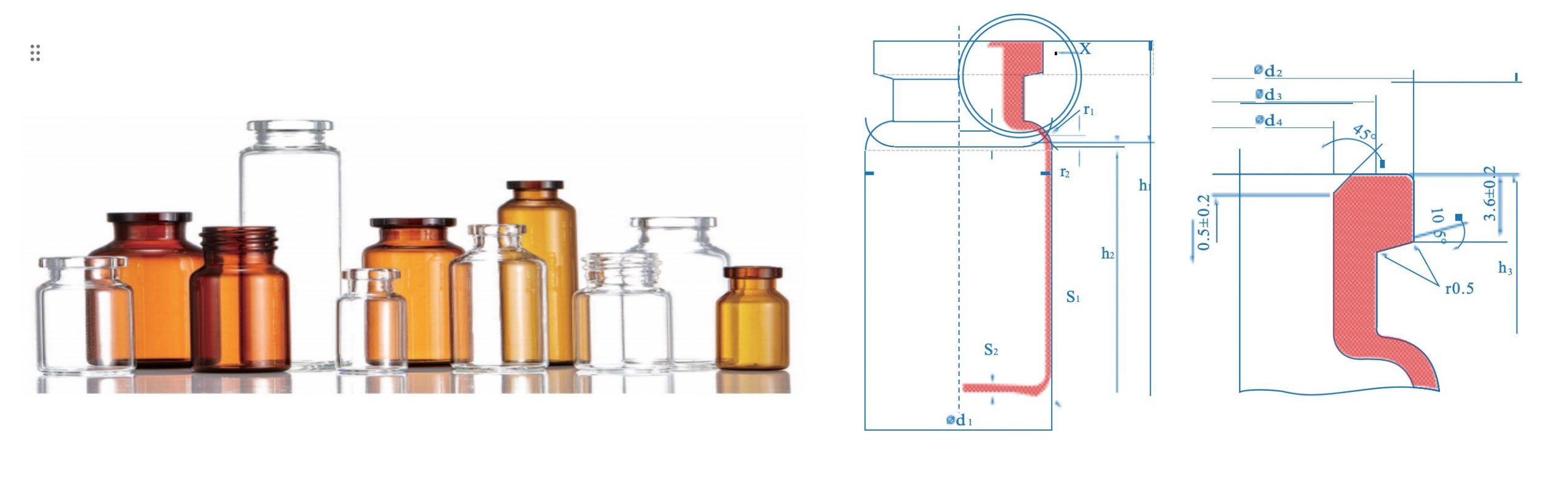
What went wrong in practice?
I’ve spent over 15 years buying and troubleshooting packaging for wholesale buyers, and I can tell you the usual culprits: wrong material spec, mis-specified crimping process, or an overlooked headspace tolerance. Once, ordering 10,000 2R borosilicate tubes for a cold-chain product in Feb 2019, I underestimated the impact of amber glass versus clear borosilicate on light-sensitive actives; that oversight raised spoilage risk by measurable amounts. We fixed it by switching to tested borosilicate and adjusting the stopper profile, but the fix cost time and (yes) money. These are not abstract flaws — they are hidden user pains that show up as machine jams, failed sterility checks, and frustrated operators.
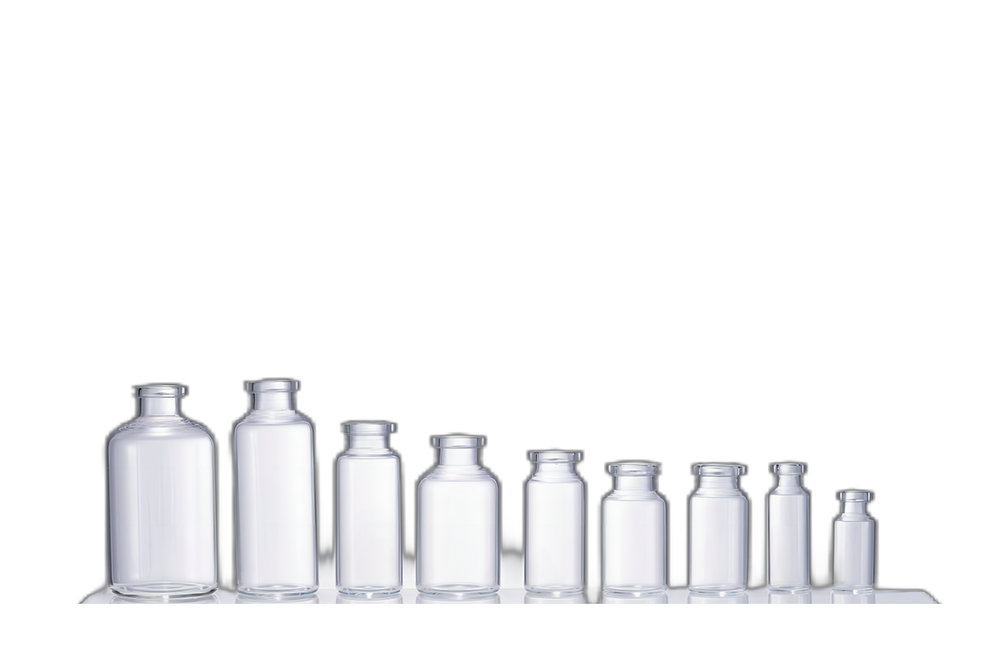
Forward-looking considerations and selection metrics
Now I look forward: I assess suppliers and designs through three concrete metrics that I use every time we review options for ampoules and vials. First, material integrity — check borosilicate grades and thermal shock ratings; ask for test certificates. Second, process fit — confirm crimping die specs, stopper compatibility, and fill-finish line clearance (measure, don’t assume). Third, supply resilience — lead times, back-up lots, and sterilization partner capacity. I recommend scoring each option on those metrics, then stress-testing the top candidate on a small pilot run. Small runs reveal the friction we miss on paper; they reveal true shelf life, sealing consistency, and operator ergonomics. What’s next: adopt these checks, run a 500–1,000 unit pilot, and record failure modes — short, focused trials pay off.
Three quick evaluation metrics
1) Material compatibility — glass type, light transmission, and chemical resistance; 2) Production compatibility — crimping tolerance, fill-finish speed, and vial neck finish; 3) Supply continuity — MOQ, lead time, and contingency plans. I use these every quarter on new specs. They keep decisions grounded and spare our teams needless rework. And yes, I still get surprised sometimes — but less often. For practical sourcing advice, trust measured tests and plain metrics over a glossy brochure. LINUO