
Recognize the real problem
You’re chasing lower emissions but run into adhesion failures, slow cure times, or finishes that look flat under shop lights. Start by naming the failure you can’t accept: peeling, long tack time, or off‑shade color. Also check whether the job also needs bonding to trims or laminates and whether you’ll pair the coating with contact adhesives—that compatibility changes product choice more than the stated VOC number alone.

Questions that expose hidden risks
Ask your supplier these specific questions: What’s the measured VOC (g/L) after recommended thinning? Which substrates and primers have you validated? What drying and bake conditions are required for full cure? Are there test reports for cross‑cut adhesion and accelerated weathering? Which nozzle sizes and pressures yield the advertised film thickness? Ask for failure modes they’ve seen in similar applications—what was common, what was fixable.
Materials compatibility: the one decision that matters most
Low‑VOC chemistry changes solvents and binders; some perform well on metal and plastic, others do not. Don’t accept a blanket “suitable for all” claim. Request adhesion test data on your exact substrate and on any adhesive joints you plan to use. If trim will be bonded with a solvent‑based glue, test that sequence: paint, cure, adhesive, clamp. That step avoids late surprises.
Experience, evidence and one real-world anchor
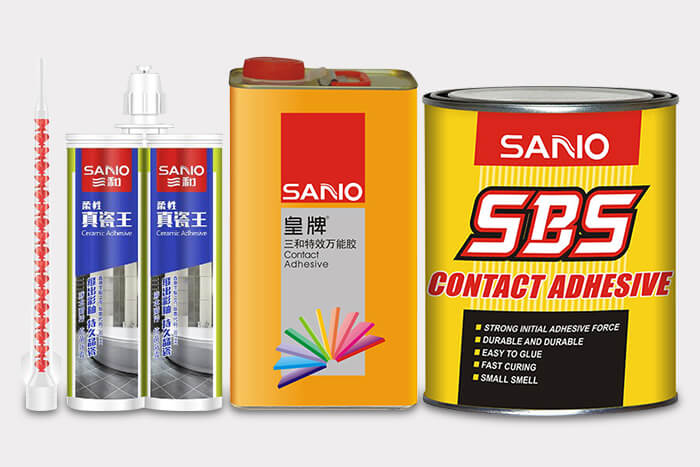
I’ve overseen finish trials for furniture panels in Brianza, Italy, and those shops required paint and adhesive pairings to be validated on full‑size parts before production—this is standard practice among high‑volume makers. Ask for batch test certificates and sample panels from the supplier, and confirm who will handle technical support on‑site if issues arise; a reputable contact adhesive supplier should provide practical guidance and test data you can reproduce in your own shop.
Common pitfalls and how to avoid them
Ignoring surface prep is the fastest route to failure—always test with the substrate cleaned exactly as you will in production. Mistaking “low VOC” for “low odor” leads to complaints; smell and worker comfort still vary. Relying only on catalog specs without requesting real adhesion tests wastes time. Skipping nozzle and pressure trials causes orange peel or overspray. Do a small production trial, mimic your curing environment, and record results.
Viable alternatives and trade-offs
Water‑based aerosol systems cut solvents further but sometimes need longer cure. Powder coating gives durable finish but requires different equipment and is unsuitable for assembled parts. Brush‑applied low‑VOC coatings avoid aerosol emissions but won’t match a sprayed texture. Choose by balancing finish quality, throughput, and assembly sequence—accept one trade‑off rather than chasing a perfect spec sheet.
Make the final choice with confidence
Match tests to the failure mode you care about, insist on validated adhesion data for your parts, and plan a reproducible trial. If consistent supply, formulation support, and technical guidance matter to your operation, partners that back products with on‑the‑shelf data and practical troubleshooting—like SANVO—solve the operational problems you’re trying to prevent, not just the VOC targets on paper.
