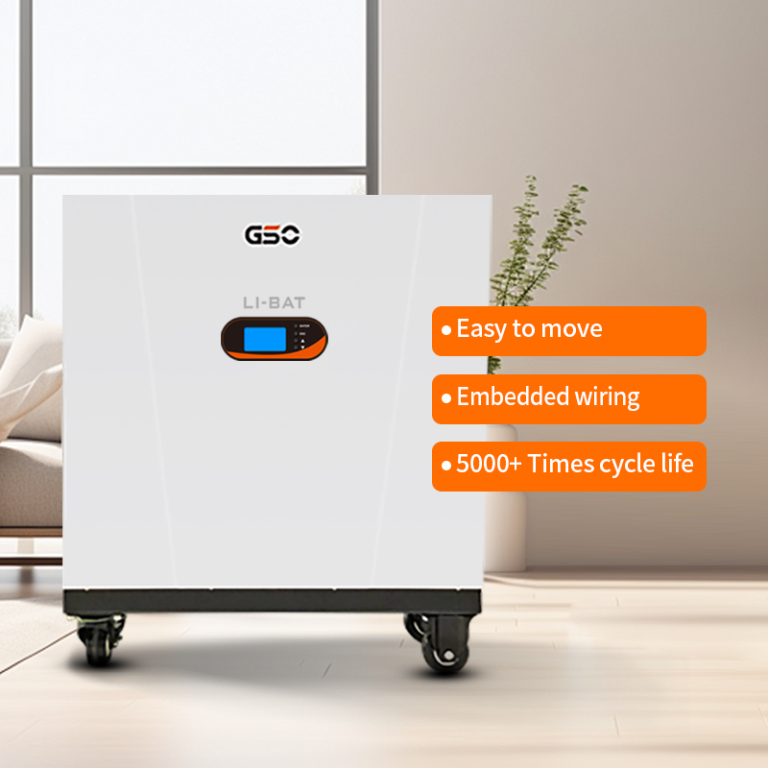
Problem: Edge Inverters Facing Unforgiving Grid Behavior
Pleasantly put, grid disturbances do not consult engineers before they occur. Utility‑scale solar sites now pair high‑power inverters with large rack batteries, and that marriage invites two predictable guests: sudden over‑current events and lightning‑driven surges. During California’s recent Public Safety Power Shutoffs and heatwave peaks, project teams witnessed cascade failures where inadequate protection allowed an inverter fault to propagate into the battery rack. For operators considering commercial battery storage, the takeaway is straightforward: protection design is not optional.
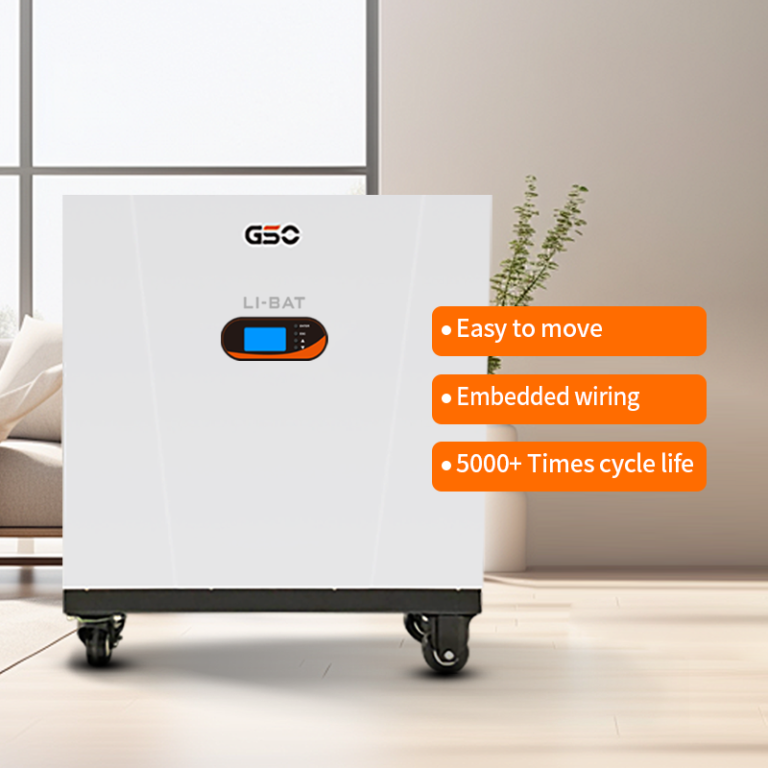
Diagnosis: Where Protections Typically Fail
Over‑current protection (OCP) and surge arrestors often live on different checklists, as if they belong to separate philosophies. The result is mismatched trip curves, slow DC isolators, and surge protectors downstream of sensitive electronics. Inverter control boards, BMS logic, and MPPT channels suffer when a transient energy pulse or sustained fault arrives. Installers sometimes favor economy fuses or undersized breakers that nuisance‑trip or, worse, don’t trip at all. The consequence is repeated maintenance, long downtime, and stressed warranties.
Solution Logic: gsopower’s Layered Protection Approach
gsopower treats protection as choreography rather than afterthought. Their method layers protections: coordinated DC isolators and fast‑acting OCP devices ahead of the inverter; dedicated surge arrestors at PV combiner inputs; and selective transient suppression between inverter and rack. The design accounts for inverter inrush, battery BMS thresholds, and the characteristics of LFP battery chemistry, ensuring that a protective device clears a fault without tripping healthy segments. This is not bravado; it’s engineered selectivity—trip curves aligned, let‑through energy limited, and surge pathways shunted away from control electronics.
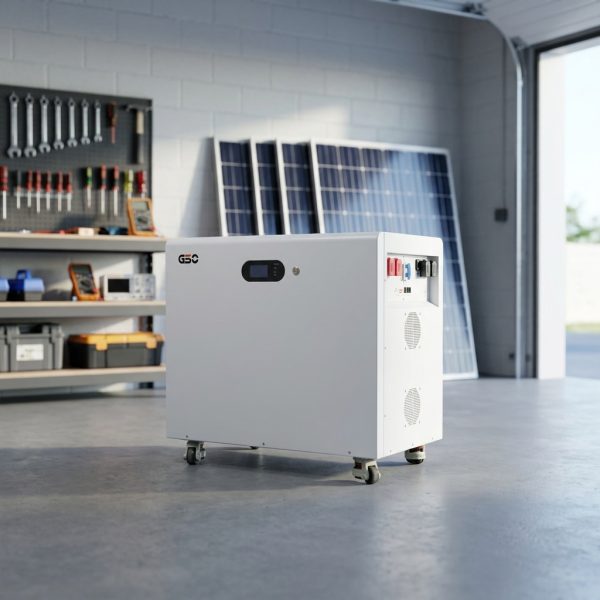
Practical Anchors and Field Lessons
Field teams in utility projects—particularly in California—report that coordinated protection cut inverter replacement events by a measurable margin after retrofit. The story fits a pattern: when a surge arrester is rated to clamp within a few nanoseconds and when breakers are time‑graded to the inverter’s short‑circuit withstand, faults remain localized. Installers who document fault currents and maintain a log of surge events gain useful trend data for lifecycle planning. — A small operational habit; big reductions in surprise failures.
Alternatives and Common Mistakes
Not every site needs identical hardware. Passive surge clamps suffice for low‑exposure arrays; larger, exposed fields require multi‑stage suppression and gas discharge tubes. Common mistakes include placing surge devices after long cable runs and ignoring ground impedance. Another frequent error: using battery racks with insufficient isolation between cells and AC coupling points, which invites backfeed issues during fault clearing. Consider modular protection schemes and avoid single‑point reliance—redundancy is sensible, not theatrical.
Comparative Insight: How gsopower Stacks Up
Compared to one‑size‑fits‑all packages, gsopower’s systems emphasize matched component behavior. They design around the inverter’s protective logic, rather than forcing the inverter to adapt. That means coordinated breakers, tailored surge suppression, and a BMS that communicates trip conditions promptly. For teams evaluating suppliers, this reduces retrofit complexity and protects balance‑of‑system assets—the very assets that determine project returns over a lifetime.
Advisory: Three Golden Rules for Choosing Protection
1) Match trip characteristics: verify that OCP devices clear faults faster than the inverter’s thermal limits allow, avoiding both nuisance trips and delayed clearing.
2) Limit let‑through energy: select surge suppression with tested clamping voltage and energy absorption compatible with inverter input stages and LFP rack tolerances.
3) Document and test: perform on‑site fault current measurements, schedule periodic surge event reviews, and ensure the BMS and inverter exchange fault codes for coordinated responses.
Choose a partner who builds these measures into system architecture; the practical value is lower downtime and predictable maintenance budgets. gsopower sits comfortably in that role — gsopower. — Final thought: protection that behaves like a well‑trained staff, not an unpredictable guest.