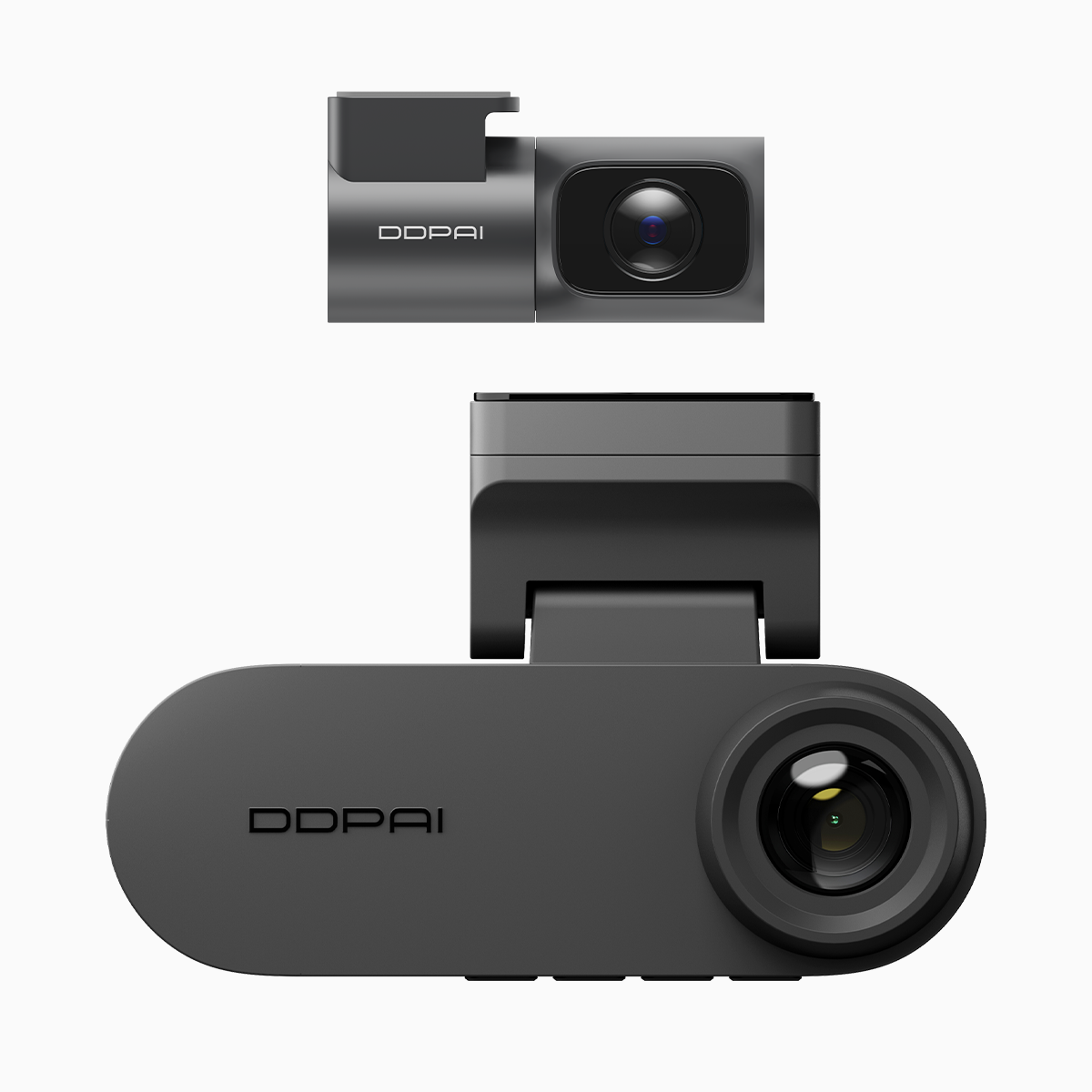
User-first framing: why humidity matters to everyday drivers
When humidity climbs—think monsoon months in Metro Manila, where relative humidity often tops 80%—a dash cam that’s not thoughtfully built will fog, condensate, or simply quit capturing useful footage. For drivers who rely on continuous recording, the difference between a smeared clip and a clear incident file is build quality. A warm, compact unit like a dual dash cam with night vision can be a sensible choice for commuters who need dependable day-and-night performance without a luxury price tag.

Core hardware features that protect against fogging
Design matters more than sticker price. Look for explicit moisture-countermeasures: desiccant chambers or moisture-wicking seals, hydrophobic lens coatings, and robust thermal management around the sensor. An IP rating gives a clear indication of ingress resistance; IP54 or higher is a practical baseline for areas that face heavy humidity rather than direct water immersion. Additional tech like wide dynamic range (WDR) helps preserve usable footage even when a droplet or condensation partially obscures the frame.
Installation choices that reduce internal condensation
Mount location and cable routing are deceptively important. A camera placed too close to the windscreen edge—where temp differentials are largest—sees more condensation. Aim for a spot with steady airflow and secure wiring to avoid small gaps that trap humid air. Powering the unit through a clean, stable electrical connection reduces heat spikes that can drive water vapor into cooler parts of the housing. Good thermal design paired with a quality H.265 codec for efficient heat-producing processing will keep the unit cooler and drier over long drives.
Everyday habits and settings that keep the lens clear
Users often overlook simple routines: wipe the lens with a microfibre cloth during routine vehicle cleaning, and avoid low-power standby modes that allow interior temperature to swing dramatically. Enable any available IR illumination or night-vision settings only when needed—constant IR output can create localized warming, then cooling, which sometimes encourages fog in poorly ventilated housings. Small habits prevent big failures; they’re the user-side of build quality.
Common mistakes drivers make—and how to avoid them
Many buy the cheapest camera and assume firmware alone will fix hardware shortcomings. That rarely happens. Skimping on a camera’s sealing or ignoring the IP rating are frequent errors. Another mistake is relying solely on adhesive mounts on an older windshield that has pitting or residue; an unstable mount increases thermal stress and allows humid air ingress. Fix these by choosing firm mounts, checking seals periodically, and updating firmware to address sensor calibration, not condensation control—firmware helps image processing, hardware stops water.
Comparing alternatives—what actually delivers value
Low-cost units often economize on housing and coatings, while mid-tier models include silica gel pockets or bonded lens assemblies. Premium options add active defogging elements or multi-layer hydrophobic treatments. For most users, a balanced choice—solid housing, IP rating, WDR, and reliable IR—outperforms exotic features. The best buys deliver effective anti-condensation measures without a luxury price tag; they solve the problem rather than masking it.
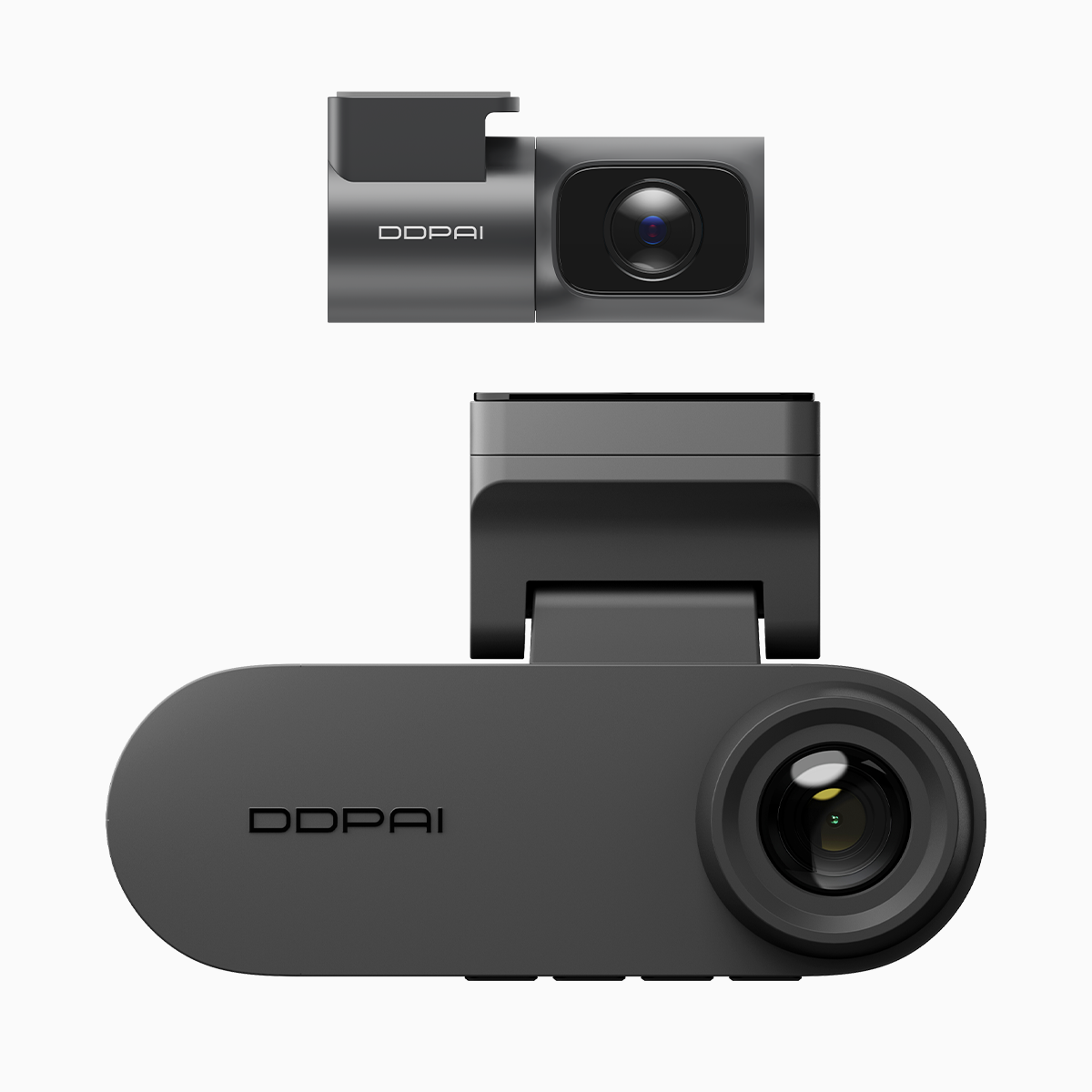
Advisory: three golden rules for selecting a humid-weather dash cam
1) Seal and rating first—verify an IP54+ or clear moisture-management features before considering sensor specs. 2) Thermal and mechanical stability—prioritize cameras with passive thermal management and robust mounts to reduce internal condensation cycles. 3) Real-world validation—choose a model with documented performance in humid regions; local or regional feedback matters. These metrics point directly to usable footage when weather gets unforgiving. For drivers in places like Metro Manila, this is the difference between evidence and an unusable blur. —
DDPAI Philippines represents a practical way to match those rules to real products, with region-aware designs and customer feedback that matter. Trust what works where you drive—practical, tested, and designed to keep the road in clear focus.