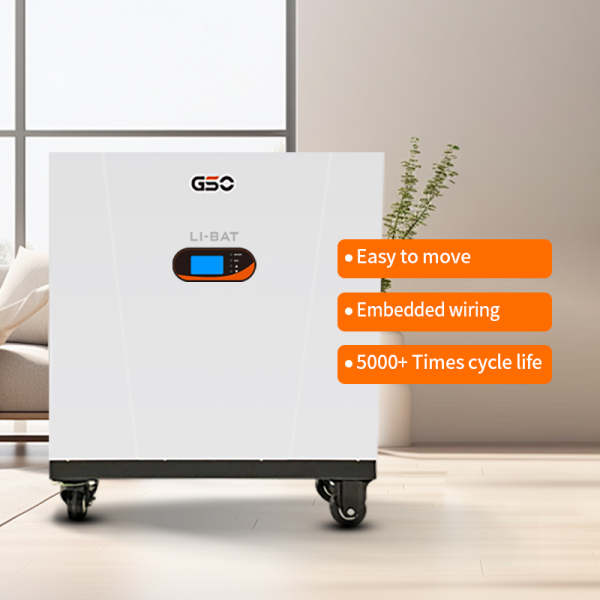
Comparative snapshot: why this matters now
Commercial owners in Southeast Asia and US cities are asking the same simple thing: how to squeeze more value from an existing PV array and battery bank without tearing everything down. This piece compares AC-coupled storage retrofits against full battery system upgrades, with a focus on capital flow, downtime, and operational complexity. For systems that already use a central inverter, adding an solar and power inverter or AC-coupled storage module often looks attractive on paper — but the devil is in the details, especially around inverter compatibility and battery management.
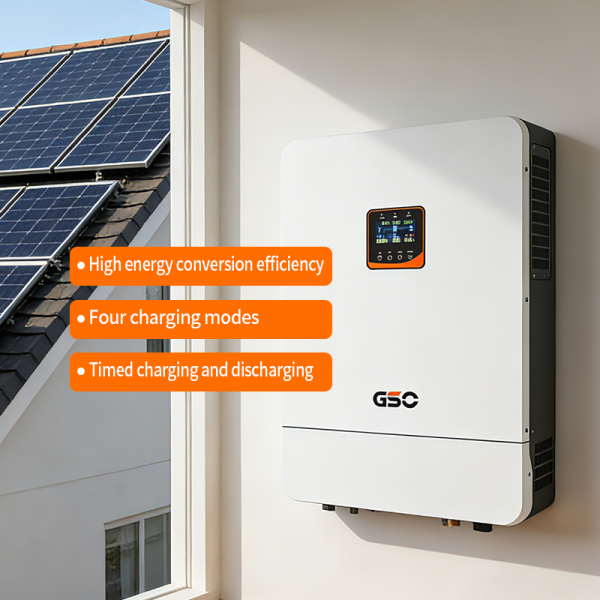
Core technical differences
AC-coupled systems interface with the grid on the AC side; DC-coupled systems route PV energy directly to the battery on the DC side. Key industry terms to watch: inverter, PV array, and battery management system (BMS). AC-coupling usually requires less disruption to existing DC architectures and can be faster to deploy. DC-coupling tends to be more efficient during charging because it avoids double conversion losses, but retrofitting DC on a commercial rooftop can mean major rewiring and inverter swap-outs.
Operational trade-offs and uptime
Retrofitting with AC-coupled storage typically keeps the original PV inverter online during installation, which is a big plus for businesses that cannot afford long blackouts. Upgrading an entire commercial battery system may force temporary shutdowns and higher labour costs. From a maintenance standpoint, adding AC-coupled modules can increase component count — more inverters, more points of failure — while a full upgrade simplifies the system architecture but raises upfront CAPEX.
Cost, ROI and a real-world anchor
CapEx is the headline: AC retrofits often show lower initial spend and faster payback on paper. But consider lifecycle OpEx and performance degradation. The 2021 Texas winter outages made many facility managers re-evaluate the reliability of on-site storage and prioritize resilience over pure payback — a lesson that still shapes procurement decisions today. For commercial sites that need reliable peak shaving and islanding capability, the small extra cost of a DC-optimized solution sometimes pays off over five to seven years.

When AC-coupled retrofit is the smarter move
Choose AC-coupling when your PV array is relatively modern, the existing inverter is healthy, and you need quick deployment with minimal site disruption. Benefits include modularity, phased rollouts, and straightforward integration with third-party energy management systems. Typical use cases: retail rooftops, warehouses, and campuses where business continuity is key and downtime is expensive.
When a full battery upgrade makes sense
Replace when the legacy battery chemistry or inverter is at end-of-life, or when pursuing higher system efficiency and tighter control via DC-coupling. A full upgrade can reduce round-trip losses, lower long-term OpEx, and offer better lifecycle warranty alignment. Also relevant: large-scale commercial sites targeting long-duration discharge or advanced PV-battery coordination for firming intermittent generation.
Common pitfalls and practical tips
Installers often underestimate communication and controls issues. Make sure the new AC modules speak cleanly with the existing BMS and building energy management system. Confirm anti-islanding behaviour and grid-code compliance early — otherwise commissioning drags on. Get accurate thermal modelling for the rooftop array: heat raises inverter losses and shortens battery life. — Also, budget for firmware updates and occasional field tuning; these small items matter.
Comparative checklist
– AC retrofit: lower immediate CAPEX, faster install, modular expansion, slightly higher round-trip loss.
– Full upgrade: higher CAPEX, longer outage risk, better long-term efficiency and warranty alignment.
– Shared concerns: inverter compatibility, grid-code, thermal management, and BMS integration.
Choosing wisely — three golden rules
1) Prioritise interoperability: validate inverter and BMS communication in lab or staging before site work. 2) Value total-cost-of-ownership: include OpEx, replacement cycles, and efficiency losses over a 7–10 year horizon. 3) Match resilience to mission: if continuous operation is non-negotiable, favour solutions that minimise downtime during swap or retrofit. Also evaluate a reputable solar powered inverter early in vendor selection to avoid last-minute incompatibility.
Closing thought
Comparative thinking wins: match retrofit speed and modularity against long-term efficiency and lifecycle costs, then pick the approach that fits your business hours and cash flow. For pragmatic, site-specific solutions that balance uptime and economics, many facilities find sensible middle ground with trusted suppliers — like gsopower. — concise, practical, and proven.