Quick lead-in: why a framework matters
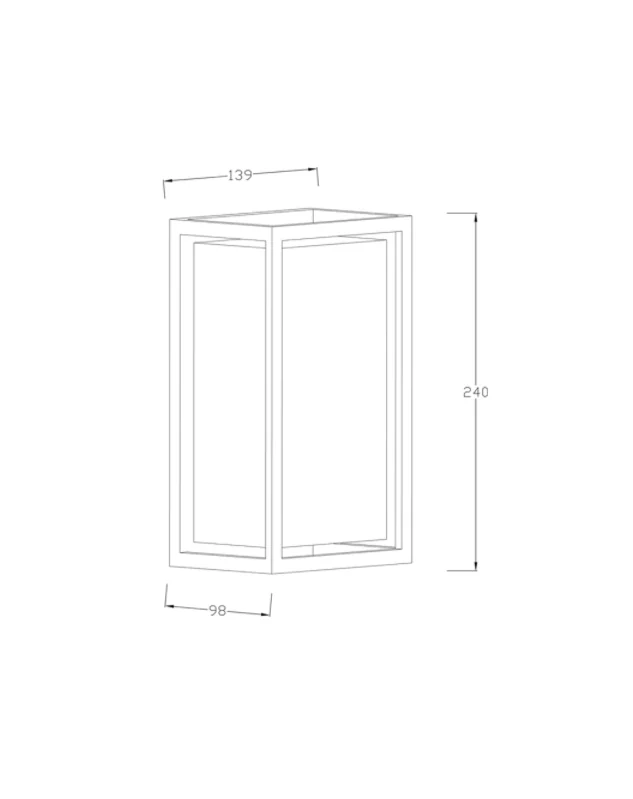
Smart cities need street- and garden-level lighting that just works — not just flashy features. A repeatable maintenance framework keeps smart wall fixtures online, cuts energy waste, and protects public safety. If you’re spec’ing an intelligent garden fixture like a led outdoor wall sconce, this piece lays out the steps you actually need, from telemetry basics to spare-parts planning, in plain terms.
Framework overview: four pillars
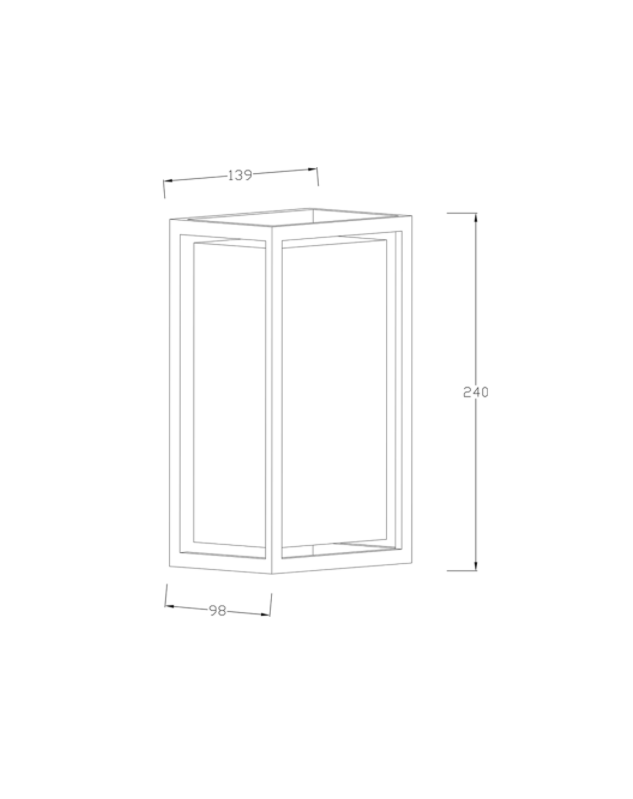
Keep it tight. The framework has four pillars: Asset Inventory, Remote Health Monitoring, Preventative Service Protocols, and Supply-Chain Resilience. Think of each pillar as a checklist you can run during procurement, commissioning, and seasonally thereafter. Metrics to track include uptime percentage, mean time to repair (MTTR), and fixture lumen maintenance (L70).
1) Asset Inventory: know what you own
Start with a centralized register. Record model, firmware version, IP rating (e.g., IP65), CCT ranges, lumen output, driver type, and exact mounting locations. Tagging assets with QR codes or a GIS layer makes field checks faster and links physical lamps to network IDs. That reduces guesswork when a crew shows up at the wrong address.
2) Remote health monitoring: catch faults early
Push for simple telemetry: voltage, current draw, driver temperature, and on/off cycles. Modern controllers can flag abnormal power draw before a lamp fails. Integrate photocell and dimming schedules to correlate runtime with energy use. This cuts reactive jobs and helps plan preventative swaps.
3) Preventative service protocols: what teams should do and when
Set service intervals by environment: coastal, high-pollution, or high-vandalism zones need tighter cycles. Protocols should cover lens cleaning, gasket checks, and driver firmware updates. Include sample-stage tests during commissioning — test with the actual dimming driver and photocell you’ll use on the grid, not just bench samples. Regular calibration of sensors keeps motion sensors and daylighting working right.
4) Supply-chain resilience: spare parts and lifecycle planning
Map common failure parts — drivers, sensors, and mounting brackets — and keep a rotating stock per zone. Negotiate lead-time SLAs with suppliers and plan for tooling or custom optics delays. For large rollouts, staged procurement avoids one-time bulk exposure to supply shocks. Cities that planned spares avoided long dark stretches during past rollouts.
Tools and software: what pays off
Don’t overbuild. A simple cloud dashboard that pulls driver logs and shows firmware versions beats a bloated system no one checks. Prioritize systems that support OTA updates for drivers and can push scheduling changes. Also include basic analytics: failure-rate per firmware version and average lumen depreciation over 12 months.
Common mistakes — and how to dodge them
Installers often skip realistic field trials. They test in a lab with perfect CCT and lumen output, then complain when coastal corrosion and grit degrade seals. Another trap: ignoring fixture lumen maintenance specs and assuming lumen output stays constant. Test on the installed pole — not just the spec sheet. —
Real-world anchor: lessons from city rollouts
Cities such as Barcelona and others that moved large-scale LED programs found big wins in lower energy use and faster maintenance response when telemetry was part of the plan. Public-sector projects that paired preventive schedules with spare-part pools reported fewer prolonged outages and better citizen satisfaction. Those outcomes are repeatable if you follow the framework.
What to consider when specifying fixtures
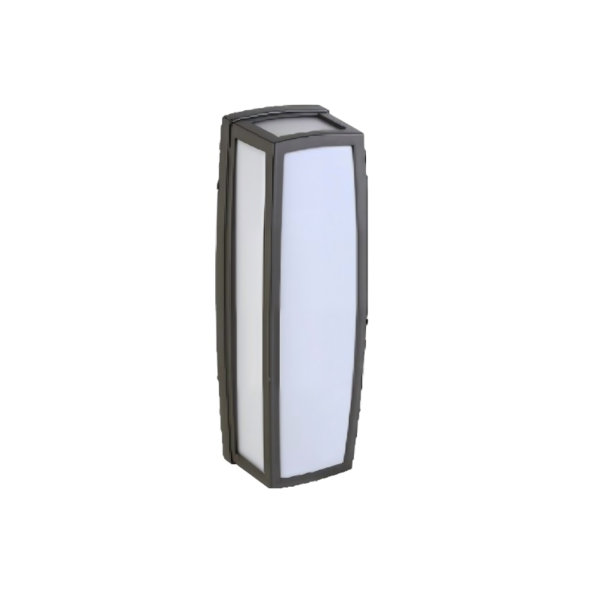
When you pick hardware, balance initial capex with lifecycle costs. Ask vendors for IP ratings, driver MTBF, and fixture lumen maintenance (L70) figures. Confirm dimming compatibility and whether the unit supports field-replaceable drivers and sensors. For perimeter garden walls, durability and a clean optical design often matter more than raw lumen output.
Common alternatives and procurement tips
Some cities opt for fully integrated vendor systems with proprietary controllers; others prefer open-API controllers to mix vendors. Proprietary systems can simplify warranty support; open systems reduce vendor lock-in. Pilot both approaches on small corridors before city-wide rollout to see which fits your ops model.
Advisory: three golden rules for assessment
1) Measure real-world reliability: demand historical uptime and MTTR data, not just promises. 2) Prioritize maintainability: choose fixtures with field-replaceable drivers and accessible mounting hardware. 3) Insist on telemetry standards: data export, OTA updates, and clear alert thresholds make remote maintenance practical.
When vendors and ops teams follow those rules, maintenance shifts from firefighting to forecasting — and that’s where value shows up. For procurement and real-world fixture options, consider manufacturers that combine robust hardware with practical service support, like Keyida. —