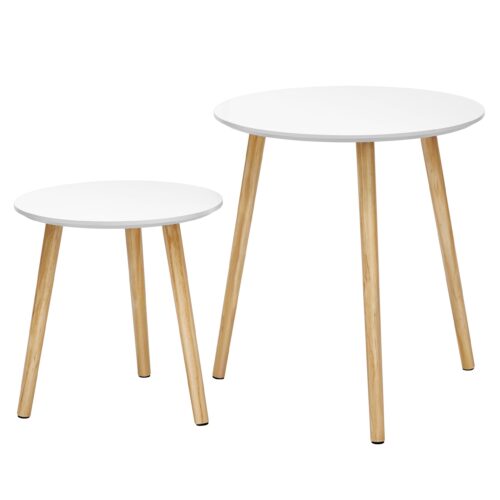
Front-Porch Scenario: Why This Choice Hits Home
Picture this: it’s 6 a.m., dock lights humming, and your fall assortment is due to land by Friday. The folks you’re trusting are coffee table manufacturers with busy lines and tighter calendars than a county fair. If you’re sizing up coffee table wholesale, you’ve likely felt the squeeze—lead times creep, MOQs jump, and freight plays its own tune. Last quarter, returns tied to wobble and finish swirl hit double digits in several chains, while average lead time slid from 45 to 62 days. That’s a gut punch. Now, do you double down on speed, or on consistency that holds steady when the wind shifts?
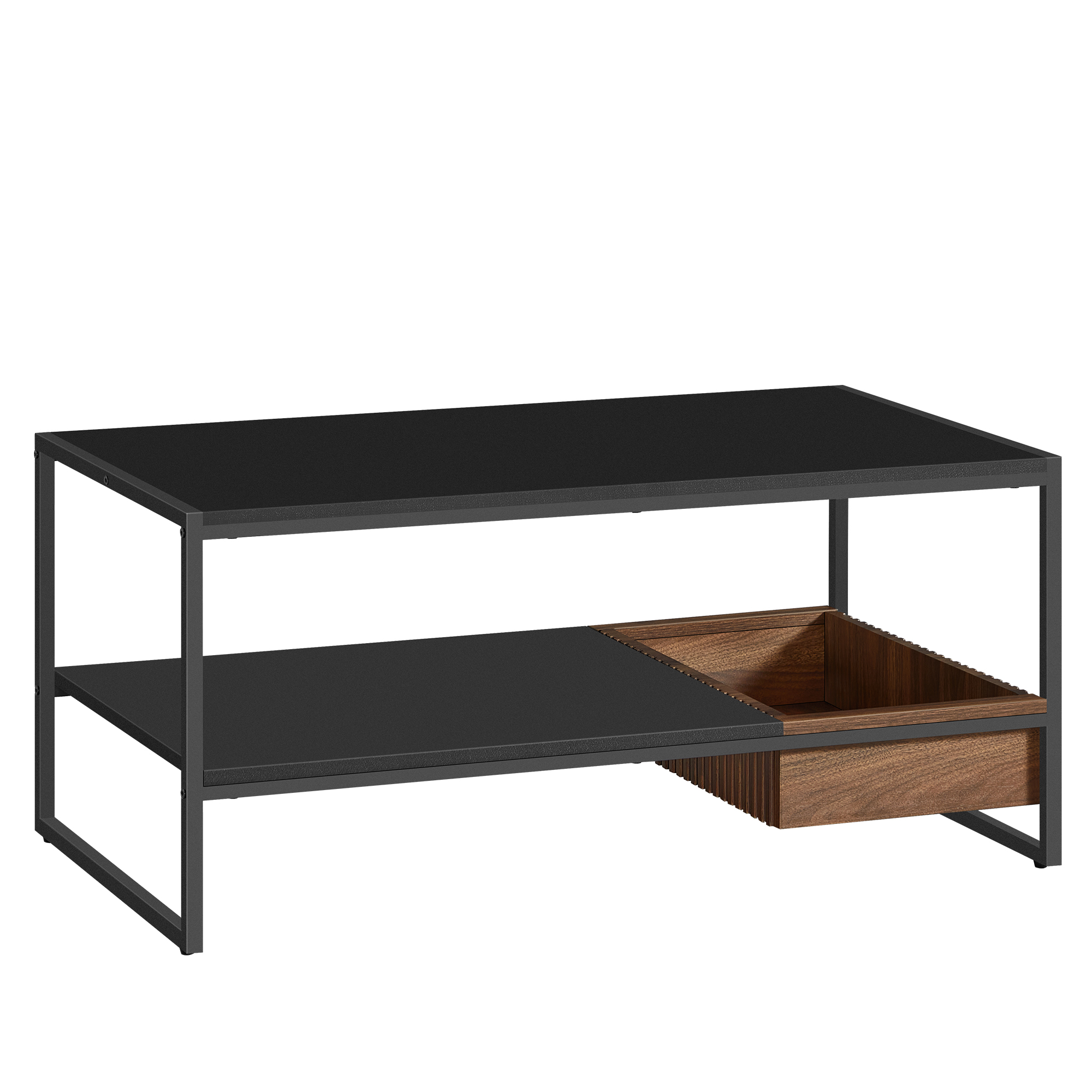
I’ll level with y’all: in Texas we say measure twice, cut once, because a bad cut costs you wood and pride. Same goes for your BOM, your CNC routing passes, and your pack-out. You want a partner who can prove load rating, pass drop tests, and still ship clean. So, how do you pick right when the market keeps shifting under your boots (and your SKUs)? Let’s line these choices up—apples to apples—and see where the value truly sits. Onward.
The Hidden Snags in Coffee Table Wholesale You Don’t See at First
What’s the catch?
Earlier we talked basics. Let’s go deeper and name the pain. With wholesale, the sticker price often hides the real cost. Finish drift between batches means color mismatch across sets—returns spike, reviews fall. A pretty veneer can mask soft core. Laminates chip with a single move. The usual fix? Heavier packaging and extra QC sampling. But that adds dollars and days. Look, it’s simpler than you think: ask for the BOM, the exact CNC routing steps, powder coating specs, and the ANSI/BIFMA load rating. If your vendor dodges those, you’re not buying a table—you’re buying risk.
Then there’s planning. Promotions hit, MOQs lock you in, and your cash sits in the warehouse—funny how that works, right? Hidden scrap rates and rework burn time on the line. Loose fasteners lead to racking on the showroom floor. A tidy video of assembly won’t fix poor pilot holes or soft screws. You need cycle-time data, fixture controls, and a pass/fail from real drop tests with EPE foam, not air. Push for photo standards, batch stamps, and simple SPC charts. If they can’t show supply chain visibility from cold-rolled steel to carton, your “deal” can turn into a long, dusty road.
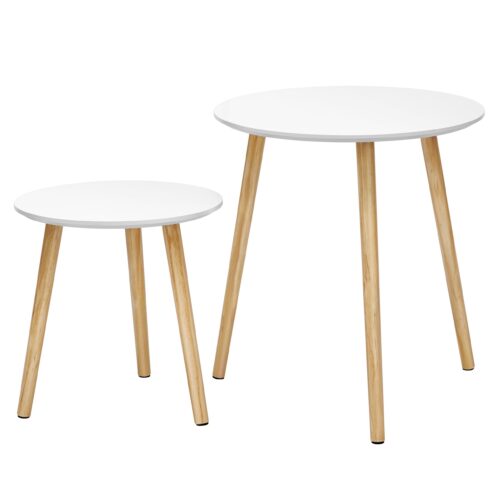
Side-by-Side, Then Forward: What Better Looks Like Next
Real-world Impact
Here’s a practical lens. A mid-size retailer switched to a partner using jig-based assembly and pre-threaded inserts. Result: 38% fewer service tickets, five minutes saved per build, and a 2% uptick in on-time sets—small changes, big ripple. The next step is technical: tie barcodes to each sub-assembly, track torque on legs, and lock finish windows with documented cure times. With a capable china coffee table manufacturer, you can tag lots, log humidity during finishing, and verify glue spread per panel. It’s dry stuff, sure—but dry is reliable. And reliable sells.
Looking ahead, expect lean lines, modular jigs, and quick-swap fixtures that cut changeover by half. RFID tags on cartons reduce mix-ups; SKU rationalization trims 20% of slow movers. Packaging moves from generic foam to form-fit EPE, dropping damage claims by a third. Consider finish chemistry that reduces yellowing under showroom lights and nail those pack-out instructions so customers feel smart, not stuck. Same price band, different outcomes—because process beats promises. And when you compare partners, stack their proofs: drop-test videos, torque logs, first-article sign-offs. If one shows receipts and the other shows glossy photos, well—you know which trail rides smoother.
Before you shake hands, keep three metrics front and center: 1) Defect rate by SKU and finish lot, measured at inbound QC and post-assembly; 2) End-to-end lead time with variance (average is fine—variance tells the truth); 3) Packaging performance from certified drop tests, including corner and edge hits. Score those across candidates, and your choice gets clear as a bell. For more grounded benchmarks and supplier questions you can take to the floor, see SONGMICS HOME B2B.