
Introduction — a small scene, some numbers, a big question
I was at a small clinic last month, watching a patient squint at a glowing machine and joke, “It feels like a warm sunset, but will it help?” That machine — a red light bed — is marketed everywhere now, from gyms to wellness spas. Surveys show home and clinic light therapy use climbed nearly 40% in the last five years (yes, the trend is real). So I ask: are we getting the results we expect, or just paying for mood lighting? Sawa — let us look closer. This piece will take that moment as a starting point and push into why some systems work and why others leave people frustrated. Next, I’ll break down the technical gaps that hide behind bright promises.
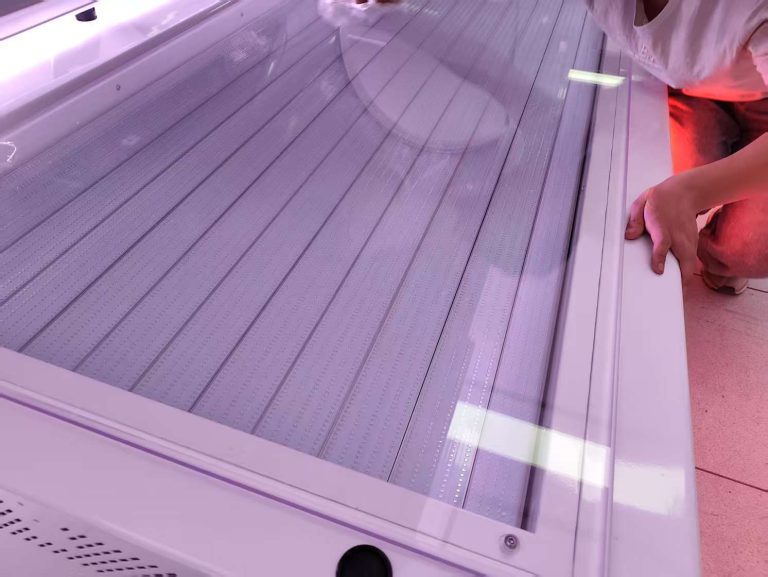
Why many red light therapy pod designs still disappoint
Where do things go wrong?
First, let me define a baseline so we don’t argue about words. Photobiomodulation is the process professionals mean when they talk about red and near-infrared light helping tissue. It needs correct wavelengths, sufficient power density, and good coverage. When any of these three are weak, the session becomes theater, not therapy. I see this often in clinics and homes. The light looks right, but the LEDs are shallow, wavelengths drift, and sessions are too short. Those LED arrays can be beautiful on spec sheets — but they must deliver in practice. Look, it’s simpler than you think: depth matters. If the light can’t reach the target cells at the needed wavelength, you get heat and optics, not healing.
Second, manufacturers sometimes prioritize form over function. They sell compact panels where edge cooling and power converters are undersized. That creates uneven output and diminished effective irradiance across the bed surface. Patients tell me they moved around during treatment to chase the “strong spot” — not a good sign. I also notice few systems provide clear power-density specs or pulse modulation settings; users are left guessing. These are not small omissions. They affect dose, and dose controls outcome. — funny how that works, right?
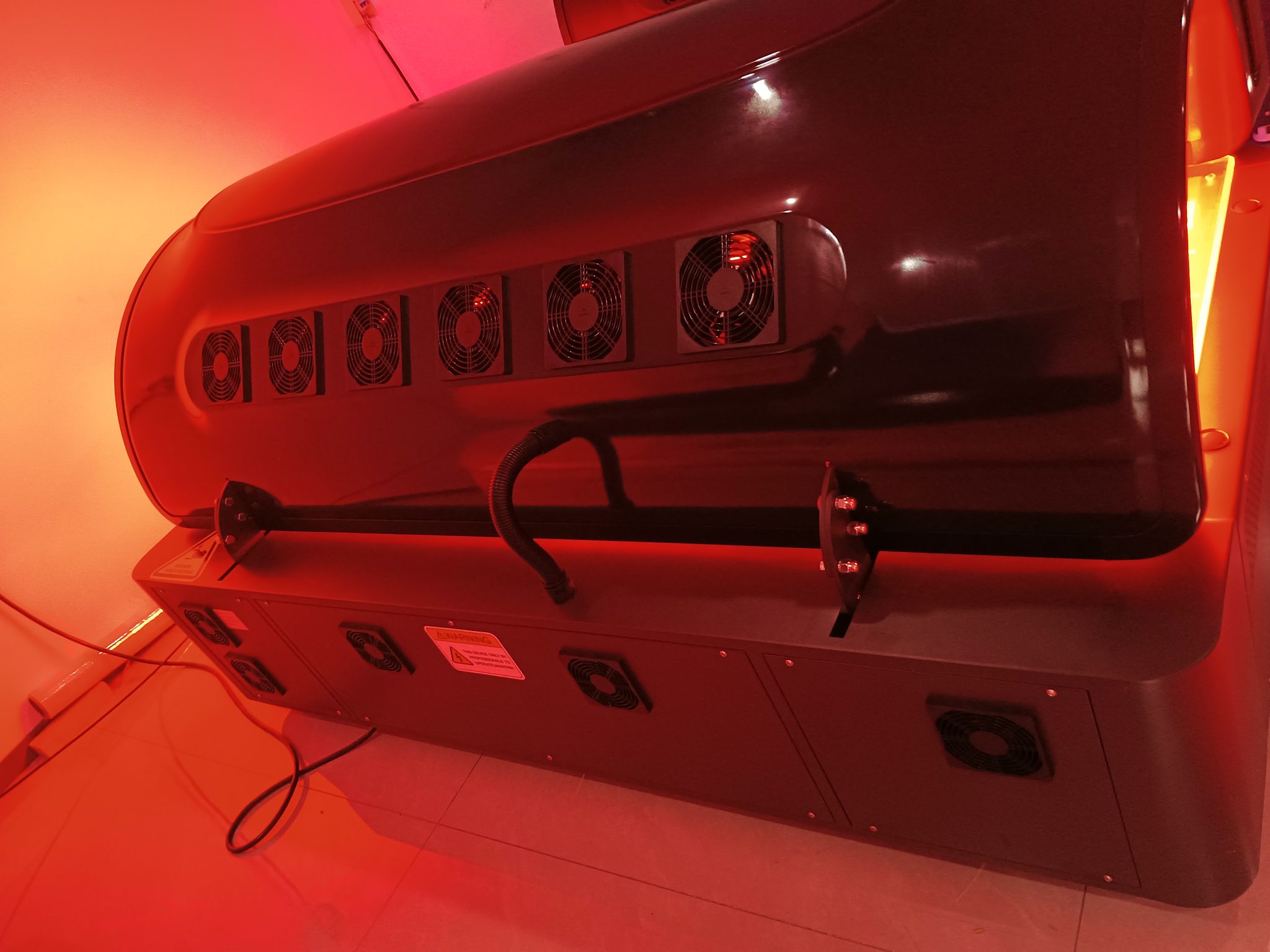
Forward steps: new principles and practical choices
What’s next for better results?
Looking ahead, the machines that will actually change outcomes follow a handful of engineering principles. First: wavelength stability. Good units tune LEDs so the peak stays in the therapeutic window (often 630–680 nm and 800–880 nm for near-infrared). Second: consistent power density. That means design choices like robust heat sinks and proper driver circuits so output doesn’t sag after a few minutes. Third: uniform coverage — overlapping LED arrays avoid hotspots and cold zones. I like to think of these as the three pillars: wavelength, power, and coverage. When a red light therapy pod follows those, treatments become predictable and useful.
In practice, that means reading beyond pretty photos. Ask about measured irradiance at typical treatment distance, check if the device lists spectral output charts, and confirm cooling strategy — passive fins versus tiny fans, or even active thermal management tied to edge computing nodes for precision control. These details show engineering thought, not marketing. If you weigh those factors, you’ll pick a system that saves time and money over months, not one that looks great for a week and then underperforms. I recommend three metrics to evaluate any red light bed purchase below — they’ll help you cut through the noise. And yes, people notice the difference when devices are built this way; patients recover faster, sessions feel consistent, and trust grows. At the end, if you want an example of a system designed with those principles in mind, consider the work by Magique Power.
Three practical metrics I use when choosing or recommending systems
1) Measured irradiance at target distance — not just watts. Demand a chart that shows mW/cm² across the bed area. This tells you whether the dose reaches tissue depth. 2) Spectral fidelity and listed wavelengths — confirm the LEDs stay within therapeutic bands for both red and near-infrared light. If a manufacturer hides this, be skeptical. 3) Thermal and power design — look for proper heat sinks, reliable power converters, and details on long-run stability. Poor thermal design means fading output and sticky warranties.
I’ll be honest: I’m picky about these things because I see the downstream effects. We want real repair and real relief, not clever marketing. If you take these checks with you when testing a device, you’ll avoid the common traps. And if you want a quick consult, I’ll walk through specs with you — I enjoy this work. As always, keep asking questions, compare measured numbers, and remember one simple rule: good engineering shows up in consistent results, not just glossy photos.