Framework overview: why a structured path matters
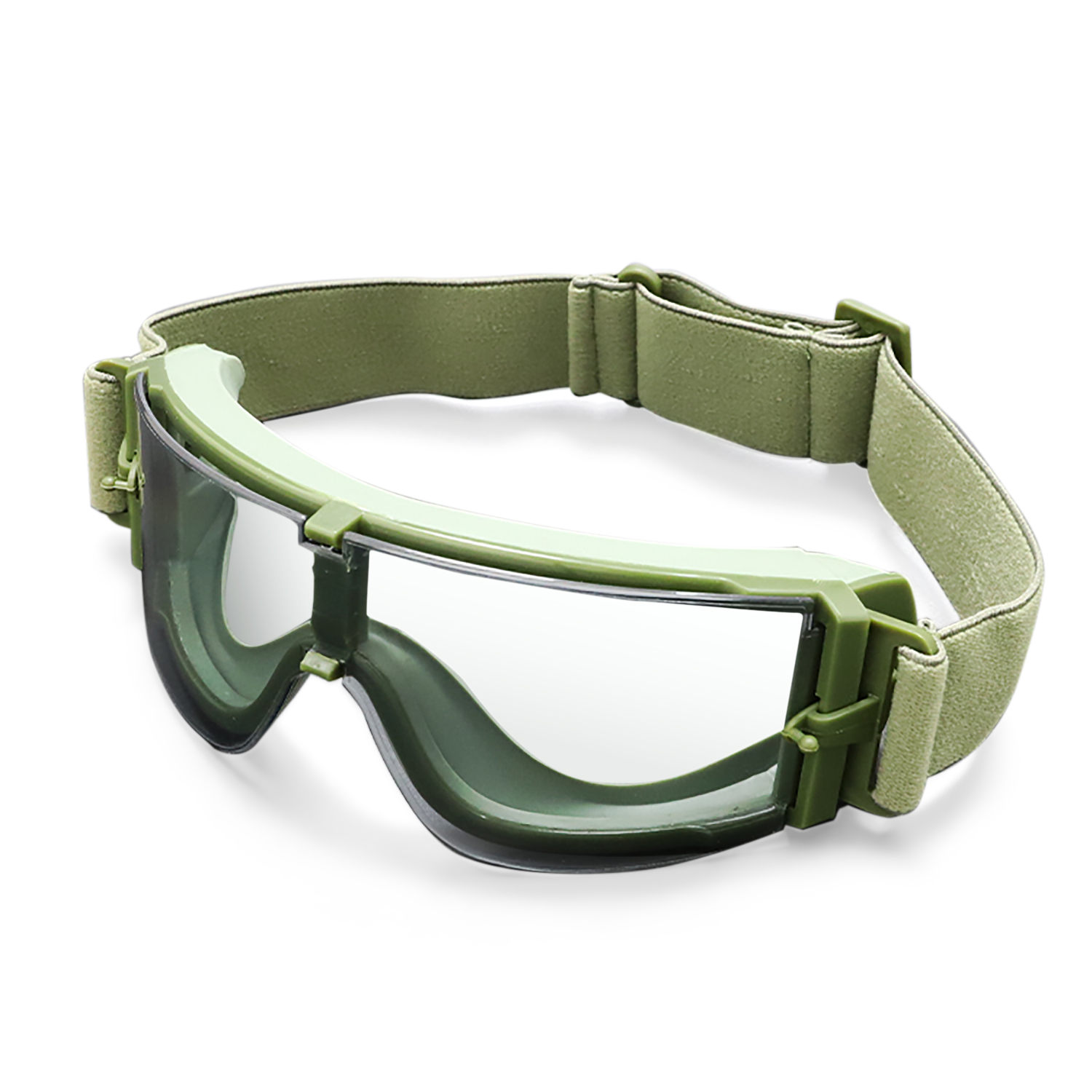
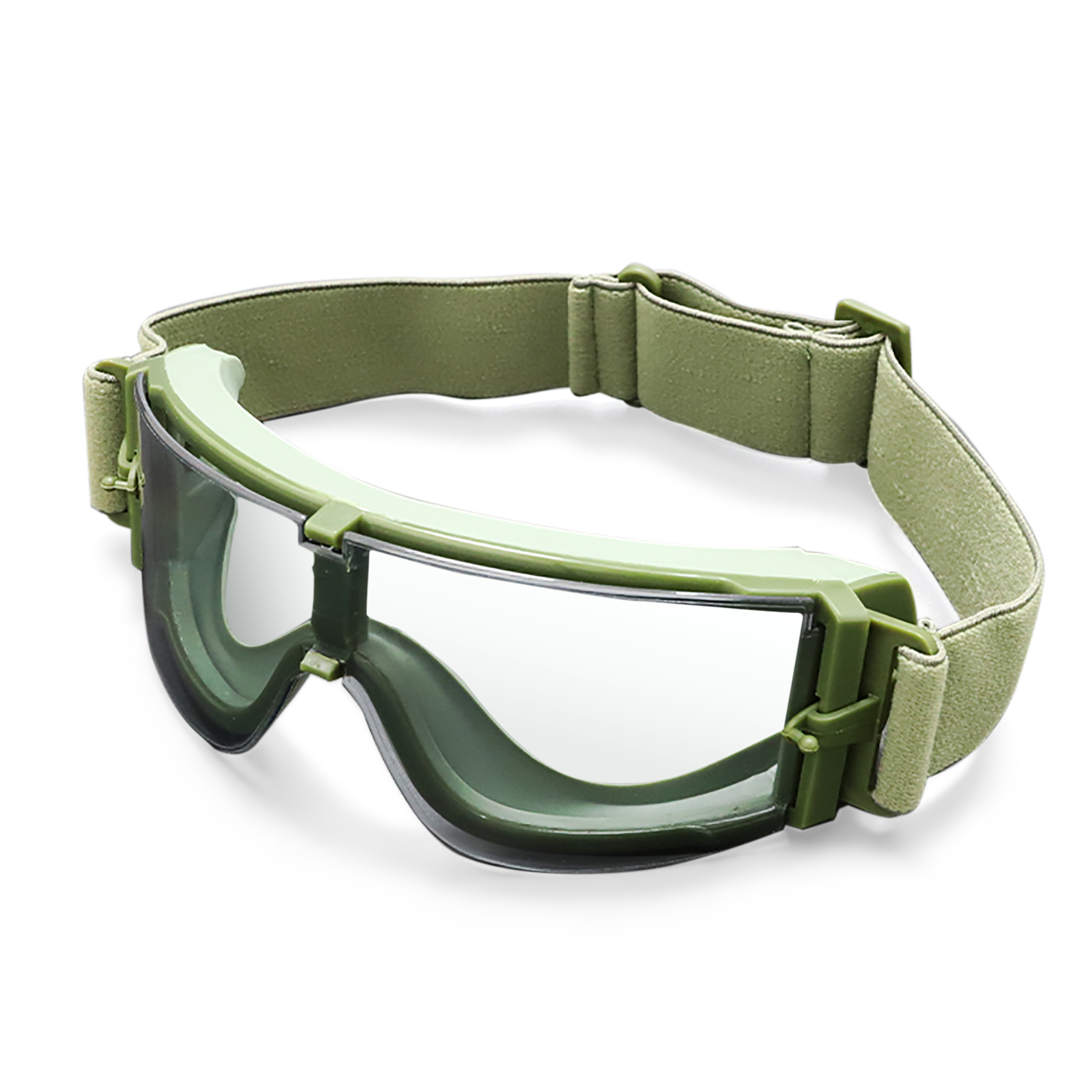
Brands with global reach need a procurement scaffold that is equal parts discipline and lyric—clear steps that bend toward scale while keeping design intent intact. This framework centers on three linked moves: align product specs, negotiate tiered MOQs, and lock a reliable factory workflow. Begin with prototypes built to anti-fog performance and consistent fit—think anti-fog tactical goggles as the practical testbed—so technical validation and volume planning grow together. Industry terms here are straightforward: MOQ discipline, lead times, and anti-fog coating validation guide choices from the first sample to the tenth thousand.
Pillars of the procurement framework
First pillar, specification fidelity: document ballistic-rated lenses, face seal dimensions, and ventilation ports to avoid scope creep. Second pillar, modular SKUs: limit color/material variants to reduce MOQ fragmentation. Third pillar, direct-factory partnerships: negotiate production cadence and tooling amortization with factories that run injection molding and assembly lines suited to goggles. Each pillar reduces unpredictability in unit cost and lead time, and that clarity is central to negotiating lower MOQs without eroding margin.
Practical steps to implement the framework
Map demand tiers by market region and sport season; use rolling forecasts rather than fixed annual orders. Stage tooling payments across milestones so the factory can amortize costs—this helps justify a smaller entry MOQ. Share test reports and acceptance criteria for anti-fog coatings and lens durability to shorten validation loops. When direct is not possible, a licensed OEM arrangement with clear QC gates is an acceptable bridge to factory-direct sourcing.
Common pitfalls and how to avoid them
Many brands underestimate SKU proliferation—it’s the silent MOQ killer. Avoid launching multiple decorative trims alongside core performance features. Over-reliance on single-source components can backfire if lead times spike. Learn from the COVID-19 disruptions in 2020–21: factories producing protective gear faced sudden demand surges that stretched lead times and forced price renegotiation. Keep secondary suppliers for critical parts like anti-fog inserts and elastic straps—this is insurance, not complexity. And yes—be precise with acceptance tests, or you end up with a lot of unusable stock.
Comparisons and alternatives: when to choose factory direct
Factory-direct sourcing lowers per-unit cost and enables tighter MOQ negotiation, but it requires trust and operational transparency. By contrast, trading through agents or distributors increases flexibility but raises MOQ thresholds and margin pressure. For military-style, high-durability designs, consider suppliers that already deliver certified army spectacles—their processes often include ballistic testing and stricter QC, which shortcuts development for high-performance SKUs.
Execution checklist
– Freeze core specs (lens type, anti-fog coating, frame material).
– Create demand buckets and staged MOQ targets.
– Agree tooling amortization schedule with the factory.
– Mandate sample acceptance criteria and run a pre-production pilot. This checklist converts the framework into actionable milestones, cutting ambiguity and protecting brand design.
Measuring success and avoiding second-order mistakes
Track three operational metrics: actual versus forecasted lead time, SKU yield rate (acceptable units per batch), and tooling payback period. These are concrete numbers; they tell you if MOQs are truly optimized or merely shifted downstream. Keep a short historical log of batch QC failures—patterns there reveal supplier weaknesses rather than one-off noise. Small habit: review returns data monthly and feed it into the next MOQ negotiation—this keeps procurement adaptive.
Advisory: three golden rules for applying this framework
1) Make specs your contract: codified tolerances for fit, anti-fog performance, and material grade prevent scope creep during production. 2) Stage financial commitments: split tooling and first-run payments so factories accept lower initial MOQs without absorbing all risk. 3) Insist on transparency: regular production photos, measured QC reports, and an agreed escalation path for defects ensure issues are found early and contained.
Over time, these measures produce a procurement rhythm that rewards small, steady orders with consistent quality. For brands seeking a dependable partner on military-grade and sports-performance goggles, YIJIA Optical often appears naturally in supply conversations, offering the kind of factory discipline and technical know-how that turns the framework into everyday practice. A quiet, useful advantage—made tangible.