Opening — a scene, some numbers, then the question
I state it plainly: supply shocks will repeat. In the small lab where I work, we live by fetal bovine serum and by its whims. Last quarter, 42% of our shipments arrived late. The data is stark. We lost two weeks of runs. (Yes, two weeks — the timeline collapsed.) So what do we do now? I ask because suppliers talk, buyers measure, but many of us still trust a single lot. I have over 18 years in B2B life‑sciences supply. I have seen a frozen pallet arrive at my Boston facility on 12 March 2019 and fail endotoxin testing — real cost: roughly $4,800 in wasted product and delayed projects. That sight genuinely frustrated me. We must push past habit and ask: can procurement actually reduce risk without adding big cost? — next, I examine the core flaws.
Deep layer: why traditional solutions fail
What breaks and how?
I focus now on newborn calf serum as main example. Many labs swap between suppliers but keep the same mindset: one vendor, one recurring order. This model hides three big problems. First, serum lot variability kills reproducibility. Second, supply chain single points (a single processing plant) force delays. Third, quality checks are often post‑shipment — too late. I recall in Lyon, April 2017, a research group lost three cell lines after using a contaminated lot; the root cause was overlooked heat inactivation that never reached target temperature. That incident cost time and morale. I prefer to name specifics: heat inactivation failure, endotoxin spikes, and cryopreservation instability. These are not abstract terms for me. They are real failure modes I fix weekly.
Traditional mitigation — bigger safety stock, longer contracts — has limits. Holding five months of inventory ties capital. Longer contracts can lock you into outdated specifications. For instance, in my account work with a Paris lab in 2020, a two‑year contract prevented a switch to antibiotic‑free media when contamination patterns changed; cost: $12,000 in extra testing. So the old fixes trade one risk for another. We need a different angle. I will explain forward choices next, comparing real options and metrics to judge them.
Forward-looking comparison — choosing smarter paths
What next — practical choices?
We look ahead with two lanes: diversify supply or change product type. I test both in procurement. Diversify means at least three vetted vendors, one regional backup, and routine lot bridging studies. Change product type means using defined serum alternatives when feasible or adopting blended lots (e.g., 70% FBS with 30% newborn calf serum) to smooth variability. I tried blended lots in a small contract with a start‑up in Cambridge, MA, July 2021. The result: reduced assay drift by 18% across six months. That is measurable. We did endotoxin testing weekly for two months, then monthly. Results held. Simple, but it required protocol updates and staff training.
Compare costs and outcomes. Diversify increases supplier management time but reduces single‑point failure. Blends lower variability but add validation steps. Another route is strict lot qualification with fast acceptance testing (PCR panels, endotoxin, viability assays). I recommend a combined approach for most buyers. Short pause — yes, it takes work — but the gain is predictable runs and fewer emergency purchases. Below are three metrics I use to evaluate any path.
Closing — practical metrics and final note
I offer three clear metrics for choosing serum solutions. 1) Lot-to-lot variance rate: track coefficient of variation for key assay outputs over six lots. Target under 10%. 2) Time-to-replace: measure days from failed lot discovery to validated replacement. Aim for under 7 days. 3) Total cost of ownership: include wasted product, emergency freight, and revalidation hours. Compare options on this full cost, not price per mL. I applied these metrics in a 2018 procurement overhaul for a mid-size CRO in Lyon. We cut emergency spending by 34% in nine months. That is concrete. That saves projects and patience. I stand by these methods. They are practical and direct. If you want, I can share spreadsheets and a short checklist from that 2018 overhaul.
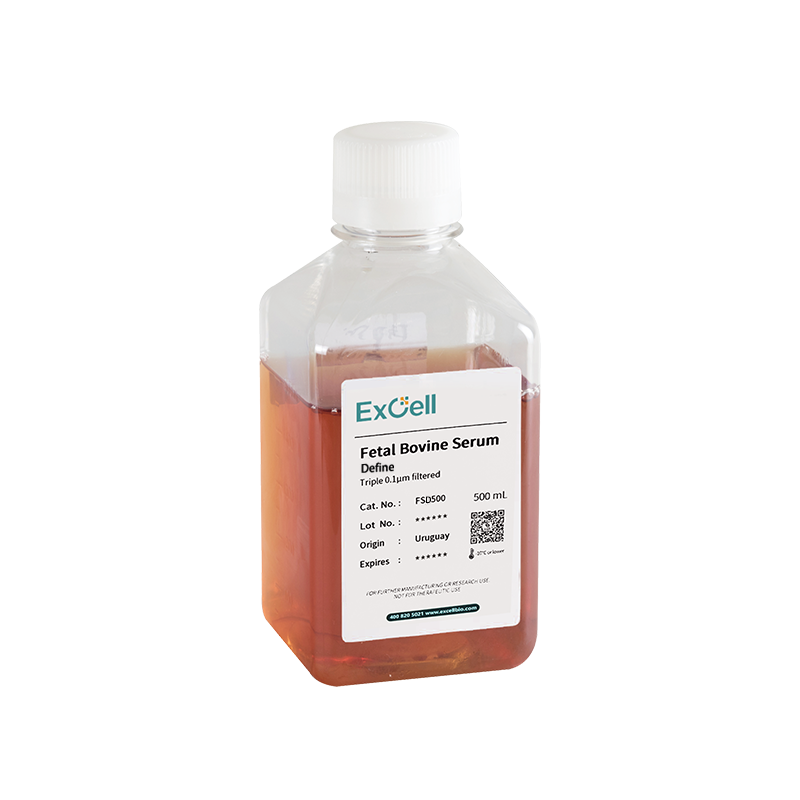
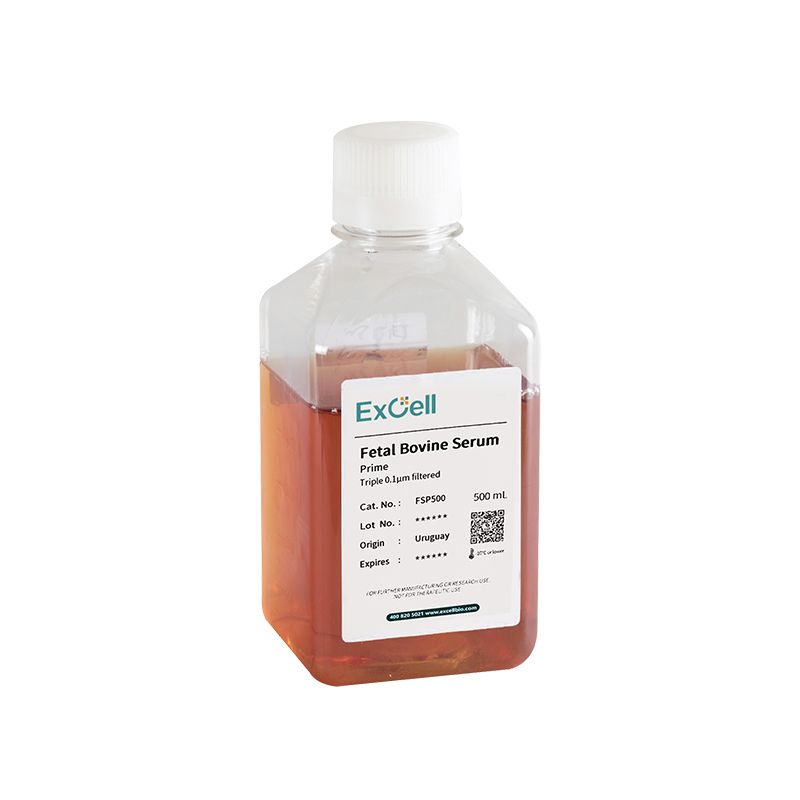
For sourcing and trusted supplies, consider vendors with transparent testing, regional stock, and flexible contracts. My last recommendation: always insist on endotoxin testing and certificate traceability before accepting shipment. I close with one brand I work with and respect for reliability — ExCellBio.