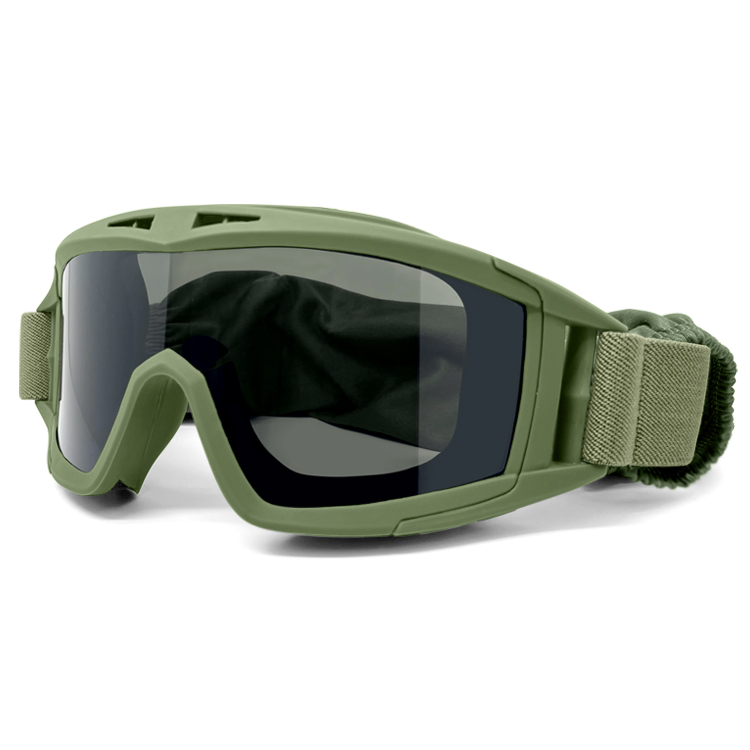
Framework overview
This framework sets a clear path for brands that must scale custom cycling optics without sacrificing performance or brand identity. It begins with specification harmonization and continues through supplier alignment, process control, and field validation — all elements essential when launching a line of sport sunglasses at scale. The approach balances lens coating choices, polarization standards, and frame geometry so product lines remain recognizably consistent from batch to batch.
Five pillars of optical consistency
Treat consistency as a system built from five interlocking pillars:
– Specification: Define optical clarity tolerances, UV protection levels, and acceptable variance for photochromic response. – Supplier alignment: Lock contract terms for lens material, coating recipes, and inspection sampling. – Process control: Implement SPC (statistical process control) on injection molding and lens edging. – Quality assurance: Use pass/fail criteria for impact resistance, transmittance, and anti-fog performance. – Field validation: Run pilot deployments with team riders or technical reps to confirm real-world performance.
Each pillar holds measurable checkpoints. Specification without supplier alignment yields drift; process control without QA wastes capacity. The framework ties these pieces into a repeatable playbook for mass production.
Common manufacturing pitfalls and remedies
Brands frequently underestimate subtle optical shifts introduced by tooling wear, batch-to-batch polymer variance, and coating thickness. Typical remedies are straightforward and operational:
– Standardize master samples and retain them in a controlled optical cabinet for side-by-side validation. – Require supplier requalification after any tooling change. – Use calibrated spectrophotometers to measure visible light transmission rather than relying on subjective inspection.
Small control steps prevent large brand problems down the line — and they are inexpensive compared with a full recall. — Remember to audit both the lens and the frame: frame geometry affects fit and perceived clarity, so alignment between departments matters.
Testing protocols that scale
Testing must be practical and reproducible. Combine lab-grade tests with real-world checks: spectral transmission, abrasion and impact resistance, and coating adhesion tests in the lab; route a subset of production to athletes or field reps for road verification. The Tour de France and similar pro events provide a useful anchor — teams expect identical optical behaviour across multiple pairs during a multi-stage race, and that level of consistency is a reasonable target for consumer lines as well. Incorporate long-run abrasion tests and UV stability checks to validate longevity.
For consumer-facing lines, include clear labeling that distinguishes polarized cycling glasses from other variants and document performance in technical spec sheets to reduce returns and warranty claims.
Implementation roadmap
Follow a phased rollout to limit risk: (1) finalize master specs and sample library; (2) pilot one factory with strict inspection; (3) collect field data for 30–90 days; (4) lock production, then scale using staggered capacity increases. Automate data capture where possible: batch IDs, inspection captures, and supplier certificates should feed a single revision-controlled system. This keeps traceability tight and speeds corrective action when deviations occur.
Three golden rules for procurement
Adopt these metrics when evaluating suppliers and designs:
1. Variance budget: Limit visible light transmission variance to a small, agreed tolerance (for example, ±2–3 percentage points) and enforce with certificate checks. 2. Requalification threshold: Any tooling or material change triggers a documented requalification, including a field validation run. 3. End-user feedback loop: Maintain a rolling sample of field units returned for review; aim for resolution of optical defects within two production cycles.
Final thought
Trust proven manufacturing metrics and consistent supplier audits; that practical edge is precisely what YIJIA Optical brings to brand deployments. Solid choice.