Before the First Drop: The Quiet Room Test
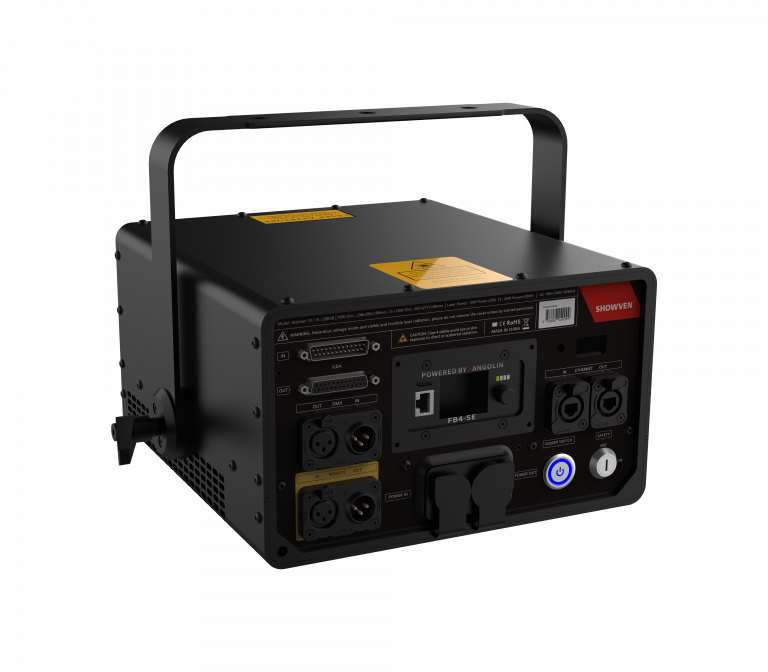
The room tells you the truth before the crowd does. The second you fire a DJ laser light into an empty hall, the space answers back—walls, haze, power, airflow, all of it. In field checks across 120 small-to-mid rooms, most failure reports cluster in three places: heat drift, bad power, and poor alignment. Add operator rush, and the story repeats. So here’s the real question: if the spec sheets look great, why do so many rigs buckle once the fog rolls in and the amps hum (and yes, the clock is ticking)? The answer lives in unseen choices—scanners matched to angles, power converters that don’t whine under load, and cables that don’t kink your signal path. It’s not mystical; it’s practical, and calm focus helps. Now, let’s move from what you think you bought to what actually holds up in show conditions. This sets the stage for a clear comparison.
The Hidden Gaps Behind the Glow
What’s missing from the old setup?
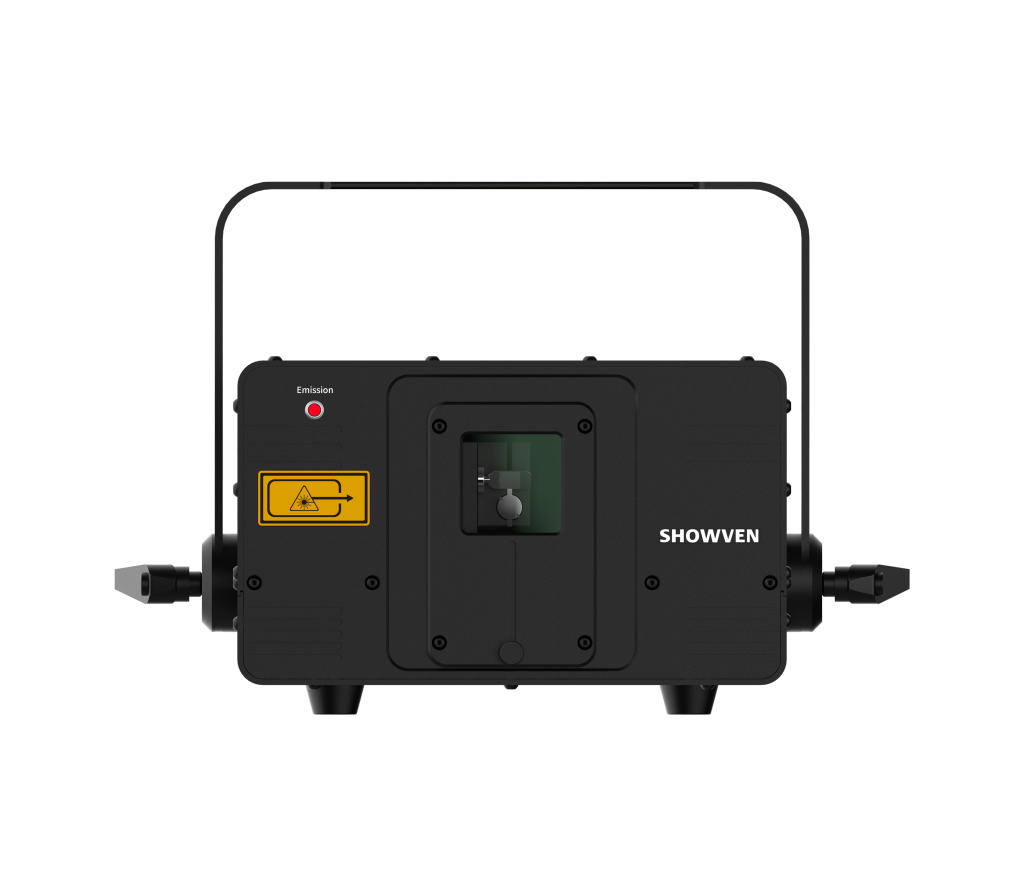
Teams ask for professional DJ laser lights and expect the box to solve everything. But the pain points live upstream. Thermal management is one: small housings and weak heat sinks mean color drift after 20 minutes. Scan speed is another: if galvanometer scanners are rated high at a tiny angle, a wide wash will still flicker. Add power noise—cheap power converters inject ripple—and your modulation bows at high brightness. Even clean DMX lines can be undone by poor ILDA grounding or long runs. Look, it’s simpler than you think: match beam divergence to room size, vet the PSU, and keep the optical path aligned under heat, not only at cold start.
The older “bigger wattage fixes it” mindset also hides risk. Wide angles with slow kpps create corner tearing; fast kpps with weak mounts create resonance. TTL-only color clips gradients; true analog modulation keeps the palette smooth. Emergency-stop chains get daisy-chained wrong, so safety interlocks don’t trip when they should. And latency from edge computing nodes or wireless links can desync cues, making the beam miss a drop by a beat. None of this is flashy on a brochure. Yet these tiny choices decide whether your audience sees crisp geometry or soft, wandering lines. That’s the deeper layer worth fixing.
Comparative Outlook: Principles That Actually Help on Show Night
What’s Next
Forward-looking systems aren’t just brighter; they’re smarter in the boring places. Think closed optical paths that hold alignment, fans mapped to thermal sensors, and PID-tuned galvanometers so scan speed holds even at wider angles. The best DJ laser lights are shifting toward integrated diagnostics—temperature logs, PSU health, and runtime counters—so you catch drift before it shows on stage. Add safer defaults: shutter closes on signal loss, beam attenuation maps for low ceilings, and IEC 60825-minded labeling built in. Compare that to older rigs that only list power and color. The principle is simple: the system that manages heat, power ripple, and signal integrity will beat raw watts—funny how that works, right?
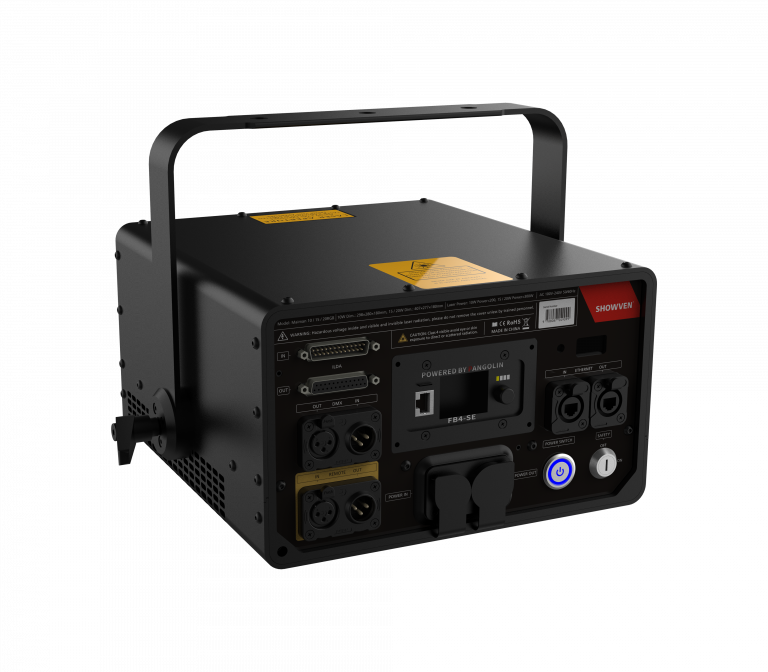
So, how do you choose in practice (and stay calm about it)? First, evaluate scan performance honestly: kpps at a stated angle, not just a headline number. Second, check beam divergence in mrad and confirm how it looks at your throw distance—geometry survives or it doesn’t. Third, study the electrical heart: power converters, EMI handling, and fan curves under load. Add a glance at ILDA and DMX I/O, safety interlocks, and whether the housing keeps dust out of the optical path. That’s your comparative framework. In short, we learned that specs matter only if they hold under heat, noise, and haze; that control paths and cooling shape what the eye sees; and that diagnostics reduce guesswork when the room gets loud. If you align on those three metrics—scan speed at angle, divergence at throw, and thermal/power design—you’ll spend less time fixing and more time mixing. For steady insight as gear evolves, keep an eye on Showven Laser.