
Introduction — a small room, a big question
I once watched a grad student coax a rat back and forth across a narrow track while I timed her sighs more than her steps. In that room we were doing rat gait analysis with a simple pressure mat and a handheld camera, and our raw numbers promised one thing: messy truth. The lab log showed 37 trials, 12 clear runs, and three datasets that looked useful — so how do you turn that clutter into reliable results? (I’ve been there; I get why you feel stuck.)
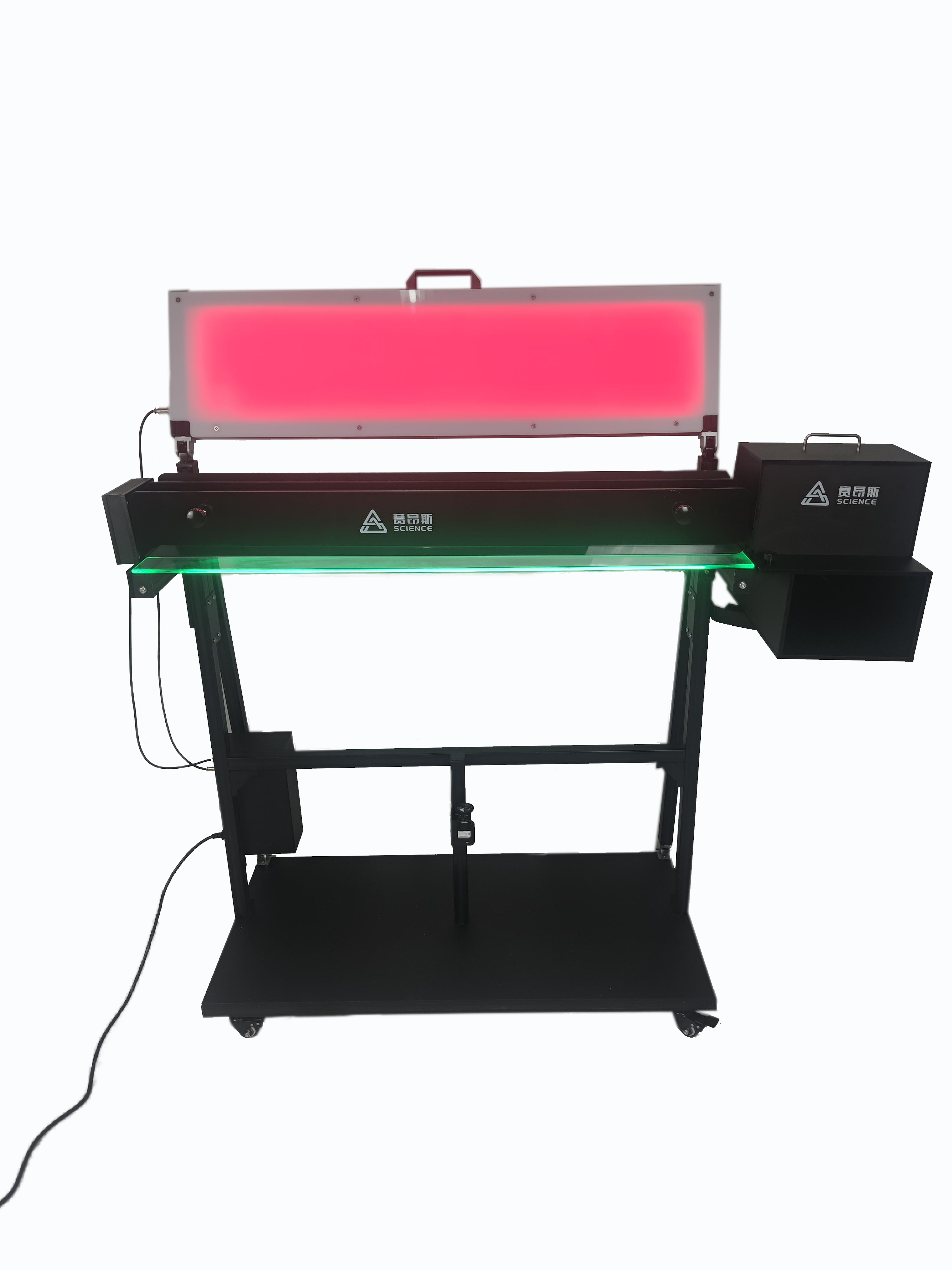
Data matters: small differences in stride length or stance time can mean a failed hypothesis or a breakthrough. I want to share what I learned about capturing consistent gait parameters without wasting weeks. This piece moves from a human story to hard lessons and then to what I believe actually fixes the problem — stick with me, we’ll get practical in the next section.
Why “standard” setups fail — a technical look at deeper issues
When teams buy an off-the-shelf rodent gait analysis system, they expect neatly labeled outputs: stride length, swing time, paw placement. In reality, those outputs often hide systemic errors. I’ve examined recordings where synchronized video capture drifted by frames, pressure mat sensitivity changed across sessions, and the history of calibration was… nonexistent. Those are not small annoyances — they bias every gait parameter you report.

What breaks first?
Sensor drift and inconsistent lighting are two silent killers. Force plate alignment shifts a millimeter and your paw contact times shift too. Edge computing nodes meant to preprocess data can introduce latency. Add in human factors — inconsistent handling, different corridor widths — and you get dataset noise that no amount of post-hoc filtering can fully erase. Look, it’s simpler than you think: if your hardware and capture pipeline aren’t stable, your statistics lie. In my view, the community underestimates routine maintenance and thorough calibration. We treated devices like appliances; we shouldn’t. — yes, that oversight will cost you months of cleanup.
Future outlook: smarter pipelines and smarter choices
I see two clear paths forward. One is to tighten every step of the pipeline: better synchronized video capture, redundant sensors (pressure mat plus force plate), and clear calibration logs. The other is to use smarter software — sensor fusion and lightweight machine learning models that flag suspect runs in real time. Both approaches reduce wasted trials and raise confidence in gait metrics.
What to look for next
When evaluating systems (including a rodent gait analysis system), ask three practical questions: can it export raw sensor streams for re-analysis? Does it log calibration steps automatically? How well does it integrate with your data pipelines and lab workflow? These questions help separate clever interfaces from genuinely useful tools.
To wrap up, here are three evaluation metrics I now insist on when choosing equipment or software: 1) Reproducible capture — measured by inter-session variance in a control animal; 2) Transparency — access to raw data and timestamps; 3) Maintainability — clear calibration routines and parts that are easy to service. Use those metrics and you’ll spend less time chasing ghosts in your data. I’ve seen teams transform months of work into a clean manuscript just by applying them. — and yes, that surprises me too.
For practical systems and tools I’ve vetted, see offerings from BPLabLine. I’m not endorsing hype; I’m sharing what I use and what saved my last study.