
Introduction
I once spent forty minutes sweating next to an EV that wouldn’t fast-charge — and that little wait taught me more than a whitepaper ever could. In situations like that, an all-in-one charging station promises to cut the hassle: fewer cables, smarter power routing, and simpler billing (so you actually get out of there on time). Last year, public charging uptime stats showed frustrating variability — some sites report availability under 80% during peak hours — which makes me ask: how can we make chargers actually useful for real people and fleets? This piece walks through that question with plain talk and some hard numbers. We’ll start by looking under the hood, then move toward what to look for next. Let’s go.
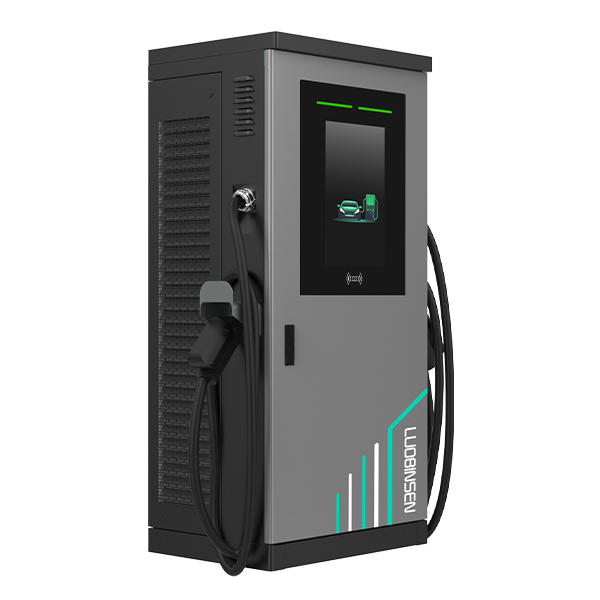
Why Traditional 200kw Charger Setups Still Trip Us Up
First, a quick definition: a 200kw charger is a high-capacity DC fast charger designed to fill EV batteries in a fraction of the time of Level 2 units. Sounds great on paper. In practice, I’ve seen three recurring technical faults: overheating in power converters, inconsistent communication with battery management systems, and grid-side power derating during demand spikes. These are not exotic problems. They come from basic physics and installation choices — poor thermal management, low-grade power electronics, and under-specified cooling loops. Look, it’s simpler than you think: if the heat can’t leave the system, neither can the power. — funny how that works, right?
What’s breaking down?
When I dig into field reports, two patterns stand out. One: vendors prioritize peak kW numbers without matching that with robust thermal design or redundant components. Two: sites underestimate power quality needs — harmonics and voltage sag degrade DC fast charging performance. Terms like power converters, DC fast charging, and thermal management aren’t just jargon here; they’re the gatekeepers of real uptime. I’ve been on calls where fleet managers told me they had to derate chargers during heatwaves to avoid failures. That degrading behavior destroys the user experience and the business model. We can fix this, but it means rethinking how we rate and deploy high-capacity units.
Looking Ahead: Principles and Metrics for Choosing a High Power EV Charger
Now I want to look forward. If you’re picking the next site or upgrading a depot, focus on tech principles rather than marketing kW claims. A modern all-in-one should pair power electronics with smart thermal pathways and edge-level control — so the unit can manage demand, predict faults, and negotiate with the grid. When I talk about future-ready setups, I mean systems that combine battery management, load balancing, and predictive maintenance in one package. A good example is a site that pairs a high power ev charger with on-site energy storage and basic edge computing nodes to smooth peaks; the results are measurable and reliable.
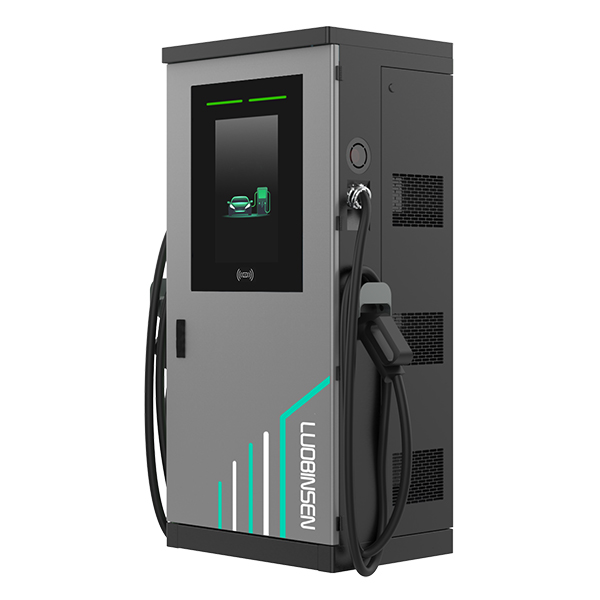
What’s Next?
Practically, here are three metrics I now use to evaluate any high-capacity charger solution: 1) Effective Duty Cycle — not just peak kW but how long the charger can sustain that output in field conditions; 2) Thermal and Power Redundancy — design elements that prevent single-point failures; 3) Grid and Site Intelligence — the charger’s ability to communicate, shift load, and integrate with local storage or building management. I recommend testing vendors against those three, and asking for real-world uptime logs (not sales slides). I care about this because downtime affects people’s days — drivers, operators, business owners. We want solutions that work, and that means being picky. If you want a trusted partner, check out Luobisnen for practical, field-proven systems.